
| Embark | Disembark | Vessel | Duration | Voyage No |
|---|---|---|---|---|
| Thu 25-02-2027, 18:00Port Stanley, the Falklands | Tue 20-04-2027, 10:00Horta, Ilha do Faial, Azores | Tecla | 54 Nights | TC250227 |
Set sail from the windswept Falkland Islands for a 55-day Atlantic crossing to the Azores aboard traditional schooner Tecla, covering over 7,000 nautical miles and crossing the equator. This is true blue water sailing about endurance, simplicity, and connection to the wind, waves, and each other.
The crew establishes four-hour watches teaching you sail handling and celestial navigation. You become part of the ship’s heartbeat, standing watches, trimming sails, and steering by stars. If weather allows, Tecla makes landfall on St Helena where you can explore Jamestown, climb Jacob’s Ladder with its 699 steps, and visit Napoleon’s residence. Crossing the Equator brings Neptune’s court ceremony before northeast trades fill the sails for excellent progress north.
After over 7,000 nautical miles, Horta comes into view. The harbour walls display painted murals from ocean crossers, and you will add Tecla’s mark among them. Peter Café Sport welcomes you to share tales of your passage while the Azores offer whale watching, volcano hiking, and natural ocean pools.

| Vessel type / Rig | Gaff Ketch |
| Guest Berths | 12 |
| Beam | 22ft |
| Draft | 8.9ft |
| Deck Length | 90ft |
| Overall Length | 124ft |
| Tonnage | 92 tons |
| Year Built | 1915 |
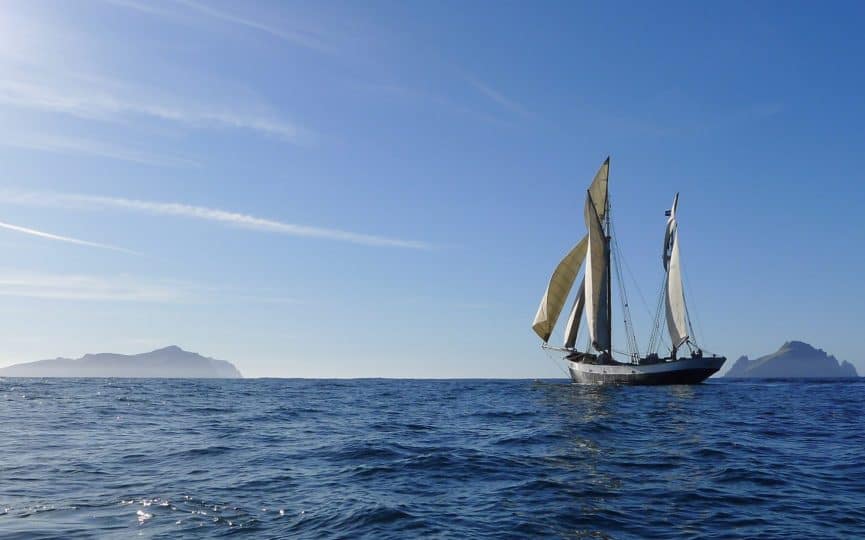

Set sail from the windswept Falkland Islands and embark on an epic 55-day northbound voyage through the South and North Atlantic aboard the traditional expedition schooner Tecla. This is true blue water sailing covering over 7,000 nautical miles, crossing the equator, and potentially making landfall at the legendary island of St Helena. This voyage is about endurance, simplicity, and connection to the wind, the waves, and each other.
Port Stanley, capital of the Falkland Islands, is your departure point. This remote British territory sits 300 miles off the Argentine coast where windswept landscapes meet extraordinary wildlife.
There is a creche for men that is designed to look after them whilst women pursue other cultural activities, its called the Victory Bar and I nearly got into trouble there but that’s another story.
Before setting sail, explore the colourful waterfront lined with brightly painted houses, visit penguin colonies just outside town where five species nest including the magnificent King penguin and comical Rockhopper penguins, and perhaps join a Land Rover tour to remote settlements accessible only by rough track or sea
The Falklands Museum tells stories of maritime history, shipwrecks, and the 1982 conflict. Sea lions sprawl on kelp-strewn beaches, and albatrosses wheel overhead with wingspans reaching three metres, following fishing boats into harbour. The raw beauty of these islands provides a fitting start to an ocean crossing.


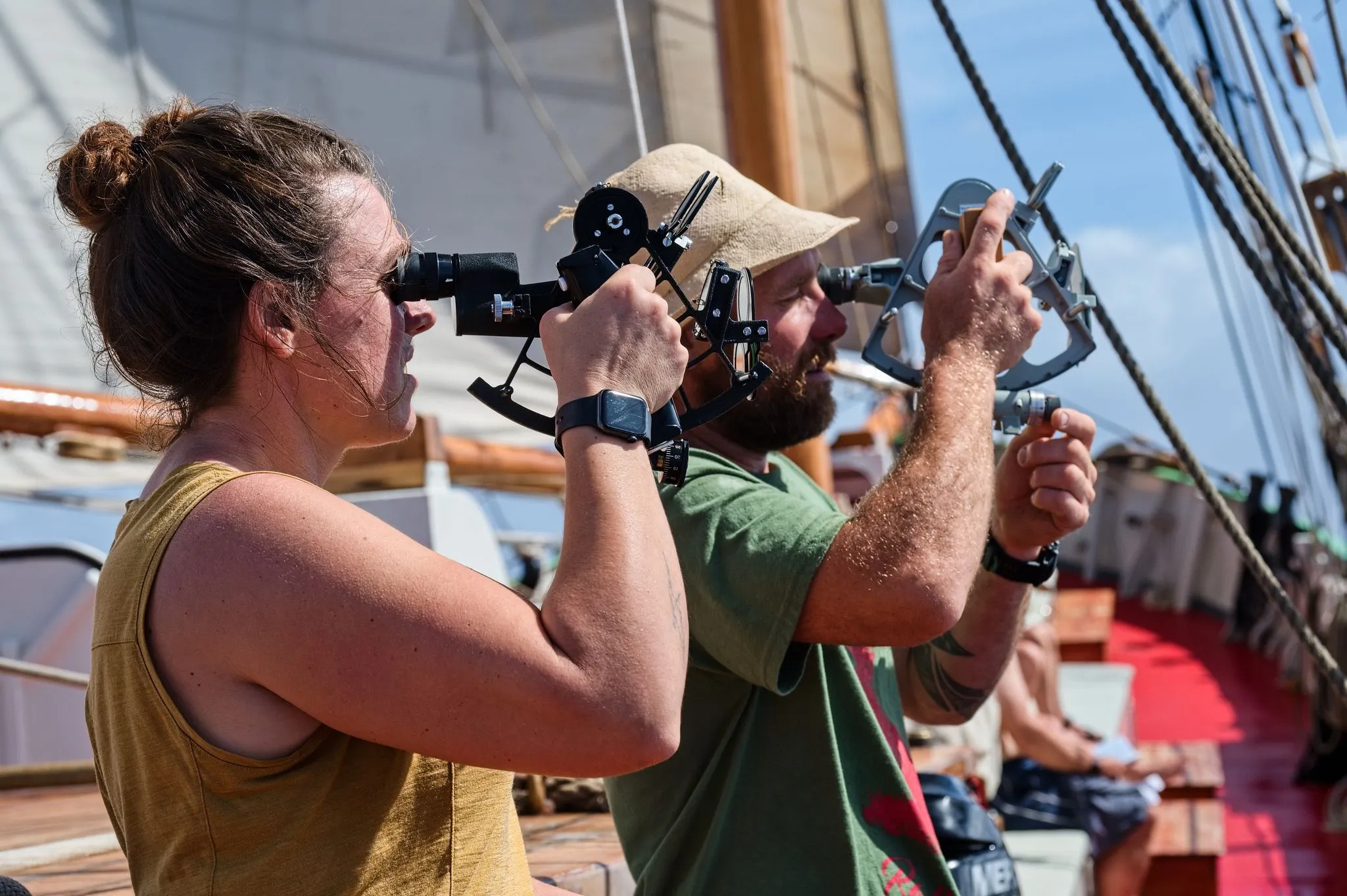
After final preparations and safety briefings, Tecla sets sail from the Falklands leaving the rugged wildlife-rich shores behind. As the Southern Ocean swells ease and the winds settle into the southeast trades, you find your rhythm aboard. The professional crew establishes watches, typically four hours on duty followed by eight hours off, teaching you everything needed from sail handling to celestial navigation. You become part of the ship’s heartbeat, standing your watch, trimming sails, baking bread, steering by the stars.
The first week takes you northeast into open water far from any coastline. Albatross and petrels follow for several days, remarkable seabirds that spend months at sea without touching land. Life aboard settles into the steady routine of sailing, navigating, and sharing stories over meals. Nights grow softer as you leave southern latitudes behind, the stars brighter as light pollution becomes a distant memory. The Southern Cross still visible astern gradually gives way to northern constellations ahead.
As you draw closer to the tropics heading into week three, flying fish skip across the bow wave and dolphins appear more frequently, their acrobatic displays a welcome distraction from the endless blue.


If weather and wind allow, Tecla makes landfall on St Helena, an isolated volcanic island rising dramatically from the ocean roughly 1,200 miles from any continent. This legendary outpost in the middle of the ocean offers a rare opportunity to stretch your legs ashore after weeks at sea. Explore the steep streets of Jamestown, climb Jacob’s Ladder with its 699 steps zigzagging up the cliff face, visit Longwood House where Napoleon spent his final exile, and discover some of the best snorkeling in the South Atlantic in the island’s tranquil anchorages. The contrast between weeks of open ocean and suddenly walking on solid ground makes landfall all the more remarkable.
Leaving St Helena, Tecla steers north toward the Equator. Here you encounter the Doldrums, that notorious belt where northeast and southeast trade winds meet, bringing light variable winds and the stillness of tropical heat. Progress slows, patience becomes essential, and you learn that ocean sailing is as much about accepting what the wind gives as it is about sailing skill. Crossing the Equator itself is a seafarer’s milestone celebrated with time-honoured tradition. Neptune himself might make an appearance, presiding over ceremonies that initiate first-time equator crossers into the ancient fellowship of shellbacks. These rituals, both solemn and good-natured, connect you to centuries of maritime tradition.
Once through the Doldrums, the northeast trades fill Tecla’s sails and she comes alive again. Week six brings excellent progress as you sail north through the tropical Atlantic. Days blend into nights in a rhythm that feels almost meditative. Steering, trimming, reading, resting. The galley becomes the heart of the ship where bread is baked, meals are shared, and the day’s navigation is discussed. The ocean feels vast and endless, yet there is comfort in this routine, in knowing your place within the watch system, in the competence that grows with each passing day.
By week seven, temperatures begin to drop slightly as you move into temperate latitudes. The first seabirds reappear, Cory’s shearwaters and storm petrels hinting that land lies ahead. The watches run smoothly by now, the crew seasoned by thousands of miles, the ship a true home. You approach the volcanic peaks of the Azores with confidence earned through ocean miles, ready for your final landfall.
After over 7,000 nautical miles and eight weeks at sea, Horta comes into view. The volcanic cone of Pico rises across the channel, Portugal’s highest peak at 2,351 metres dominating the horizon. Horta harbour, famous throughout the sailing world, welcomes ocean crossers with painted murals covering every available wall, each one telling the story of a passage completed. You will add Tecla’s mark among them, joining generations of sailors who have crossed oceans to reach this legendary port.
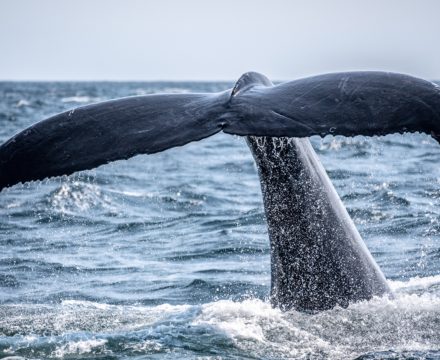
Peter Café Sport, the unofficial headquarters for trans-Atlantic sailors, sits across from the marina where tales of passages are exchanged over cold beer and strong coffee. The Azores themselves deserve exploration after your arrival. Nine volcanic islands scattered across the North Atlantic, each with distinctive character. Faial offers whale watching in waters that host over twenty cetacean species, hiking up Capelinhos volcano where the landscape still shows scars from the 1957 eruption, and swimming in natural ocean pools carved from volcanic rock. The sense of accomplishment in reaching the Azores after sailing two oceans and crossing the equator under your own power is something that stays with you forever.
It looks like I’ve experienced only the beginning and the end of this epic voyage. The victory Bar in Port Stanley Peter Cafe Sport in the Faial.
In Faial look out for their large rowing and sailing row boats called Azorean whaleboats, they race them most weekends but unfortunately I di not get a chance to join in.


This voyage is not about comfort or luxury. It is about authentic ocean sailing where you become part of the ship’s company, where your effort during watches matters to the passage success, and where you earn your arrival through weeks of watchkeeping, sail handling, and living in rhythm with the sea. The experience changes people. By the time you drop anchor in Horta, you will have sailed further than most people travel in a year, crossed the equator under sail, potentially explored one of the world’s most isolated islands, and gained skills and confidence that come only from genuine blue water passages. Your achievement will give you stories to tell for the rest of your life..
South Atlantic and Mid-Atlantic Weather Overview
A voyage from the Falklands to St Helena and on to the Azores in February, March and April takes you through three distinct weather zones. The early stages still carry the bite of the Southern Ocean. Conditions then ease as you move north into warmer, more settled mid-Atlantic weather. This makes the route a good example of how fast the climate shifts once you clear the higher latitudes.
Falklands to the Mid-Atlantic
February and March bring long daylight and the most settled conditions you are likely to find in this part of the South Atlantic. The early stage of the passage has strong westerlies that often sit between 15 and 25 knots. Fronts track through with periods above 30 knots, and in poorer weather the swell runs long and heavy. Waves can rise well above six metres when a system passes. Temperatures stay in the low to mid-teens around the Falklands, and the sea feels cold.
Approaching St Helena
The change is clear once you break north. Conditions warm quickly and stabilise as the influence of the Southern Ocean drops away. Air temperatures lift through the twenties, the swell shortens and the trades begin to establish. Squalls still appear around convergence zones, but they are brief and predictable. Overall, this section offers the most comfortable weather of the voyage.
St Helena to the Azores
By April the North Atlantic patterns take over. You can expect a mix of trade wind sailing and lighter variable spells as systems move further north. Temperatures stay warm until you close on the Azores, where spring brings fresher air, more cloud and the chance of frontal rain. Swell is usually moderate, although low-pressure systems can still push heavier seas south of the islands.
What weather to Expect
Weather changes quickly across the entire route. Bright spells sit close to cloud, rain and sudden shifts in wind. The first leg demands proper ocean-going clothing, while the mid-Atlantic section becomes noticeably warmer and calmer. The final approach to the Azores brings more variety, but conditions remain manageable with sensible preparation.
On a sailing voyage we never use the word itinerary, as skippers will always be aiming for the best and safest sailing routes for the forecast. They are as keen as you to include some of the highlights described above, but when it comes to sailing, you have to go with Mother Nature, not fight her. The description provided is based on what we think might be possible, based on past trips, or prior experience, but nothing is guaranteed on a sailing voyage. As such, the scheduled joining ports, routes, activities and/or destinations may be altered. Due to the complexities of weather systems, this may be at very short notice.
Whether you are an experienced sailor or a complete beginner, the professional crew will train you to be guest crew from the moment you arrive, with the intention that everybody works together to sail the ship. The common thread to all Classic Sailing holidays is ‘Hands on’ participation on ships that use ropes, blocks and tackles and ‘people power’ to set sail. For more on this, see our article ‘What is a Hands-On Sailing Holiday?’
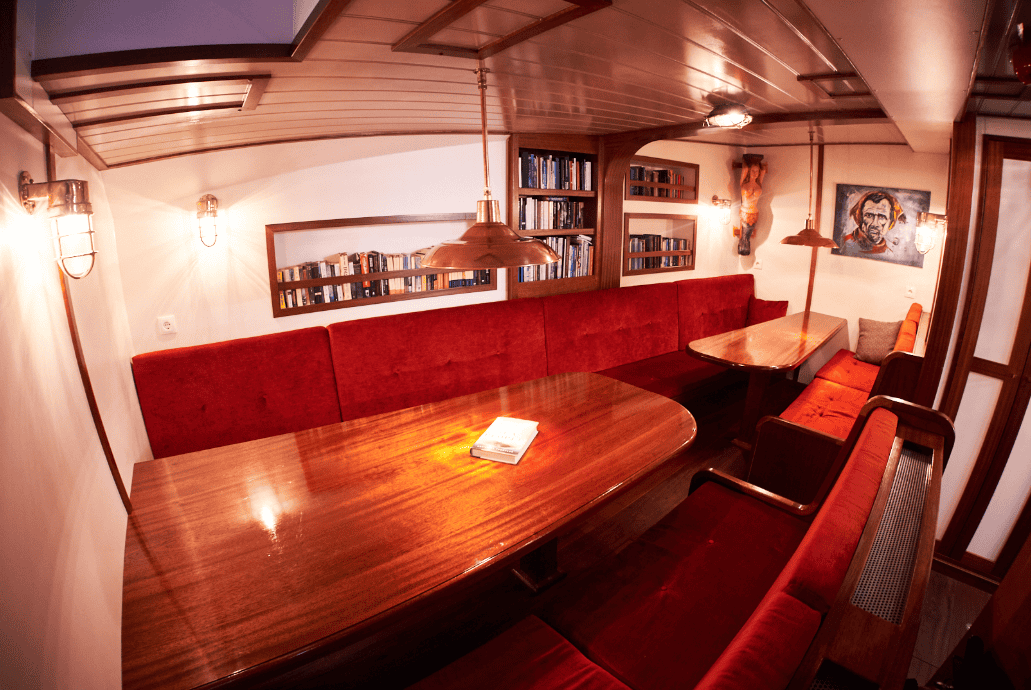
We cater for a wide range of ages and physical abilities and how much you are expected to do varies a bit between vessels. See the vessel tab above which explains all about the ‘sailing style’ and what to expect in terms of hands on participation. There is a lot of information about day to day life, the ships facilities and accommodation on the vessel pages.
No previous experience is required. The professional crew establishes watches and teaches you everything needed including sail handling, steering, and celestial navigation. However, this 55-day passage requires physical fitness, adaptability to ship routine, and comfort with extended time at sea.
Watches are typically four hours on duty followed by eight hours off, running continuously day and night. During your watch you steer, adjust sails, keep lookout, and help navigate. Between watches you rest, help with galley duties, maintain the ship, and enjoy downtime reading or socializing.
Landfall at St Helena depends on weather conditions and wind patterns. If conditions allow, Tecla will stop for crew to explore this isolated volcanic island including Napoleon’s residence, Jacob’s Ladder, and excellent snorkeling spots. The decision is made during the voyage based on safety and weather windows.
Crossing the equator is celebrated with traditional maritime ceremony where King Neptune’s court initiates first-time crossers into the fellowship of shellbacks. This time-honoured ritual, both solemn and good-natured, connects you to centuries of seafaring tradition.
Horta is the legendary gathering place for trans-ocean sailors. Add Tecla’s painting to the harbour walls, visit Peter Café Sport, and explore the Azores with whale watching, hiking Capelinhos volcano, swimming in natural ocean pools, and visiting Pico’s UNESCO vineyards across the channel.
No previous experience is required. The professional crew establishes watches and teaches you everything needed including sail handling, steering, and celestial navigation. However, this 55-day passage requires physical fitness, adaptability to ship routine, and comfort with extended time at sea.
Watches are typically four hours on duty followed by eight hours off, running continuously day and night. During your watch you steer, adjust sails, keep lookout, and help navigate. Between watches you rest, help with galley duties, maintain the ship, and enjoy downtime reading or socializing.
Landfall at St Helena depends on weather conditions and wind patterns. If conditions allow, Tecla will stop for crew to explore this isolated volcanic island including Napoleon’s residence, Jacob’s Ladder, and excellent snorkeling spots. The decision is made during the voyage based on safety and weather windows.
Crossing the equator is celebrated with traditional maritime ceremony where King Neptune’s court initiates first-time crossers into the fellowship of shellbacks. This time-honoured ritual, both solemn and good-natured, connects you to centuries of seafaring tradition.
Horta is the legendary gathering place for trans-ocean sailors. Add Tecla’s painting to the harbour walls, visit Peter Café Sport, and explore the Azores with whale watching, hiking Capelinhos volcano, swimming in natural ocean pools, and visiting Pico’s UNESCO vineyards across the channel.
Stanley is the picturesque capital of the Falkland Islands. We would highly recommend renting an all-terrain car and spending a few days exploring the archipelago from here. It gives you the freedom to discover the diverse attractions the Falklands have to offer. From historical war sites to intriguing nautical wrecks, captivating wildlife, stunning rock rivers, and the island’s rich sheep farming heritage, there’s something for everyone.
Visit the Horta Museum to delve into the island’s rich maritime past. Peter Café Sport is also worth a visit; it has been serving sailors for more than 100 years.
The marina in Horta is a key stopping point for transatlantic yachts. One unique feature is the sailor’s tradition of painting a mural on the marina wall before setting sail again. It gives Horta a communal feel that’s quite special.
Horta also offers stunning natural beauty. From hiking trails to volcanic landscapes and whale watching, there’s plenty for outdoor enthusiasts to explore. If you can extend your stay here, make the most of it with guidance from the Azores visitors’ site.
Not all sailing areas require the same gear, the same foul weather equipment or even the same shorts. But some items you must always bring. In this kit list we hope to give you a small insight in what to bring, but of course, please consider this list might not encumber all that you would wish to take!
Very important is that your bag or small suitcase needs to be stored in the room, under your bed, there is limited space – so bring a foldable bag! the following is Tecla's standard included/excluded and kit list. Below this you can find more specific info and kit lists dependant on sailing area.
When the ocean crossing is not part of the Southern Ocean sailing (so no South Georgia or Antarctica included) the crossings are usually in warm weather. Going from North to South, please be advised that the weather in the Falkland Islands is cool and wet! So also bring at
least one set of warm clothing.
If there are any items you usually take on your hikes, and they are easy to take in your luggage, don’t forget to bring them!
On the Falkland Islands, South Georgia and Antarctica there are different levels of Bio-Security we will have to comply with. To make it easy on yourself we recommend you bring one set of hiking gear that you would like to use on shore, that is completely cleaned at home. This means Velcro is cleaned and does not contain any seeds or pollen. Your pockets are empty of any seeds, pollen, sand etc. Your boots are cleaned, no sand or mud on them.
This way, getting ready for the first landing becomes a walk in the park. For more information on Bio Security, please contact us.
These surroundings can be very cold, especially on longer watches. And also because these areas are protected, we ask you to take at least two sets of wet weather gear, with one of them at least completely clean. If you have sailing gear, perfect, but also bring some light weight, waterproof hiking gear. We recommend goretex pro of any brand. This is tough and durable. Often easy to clean and light weight.
In the cold, making layers is important. If there is no rain, most 800gr down jackets with a merino wool layer underneath are warm enough. If it rains, most jackets do not fit over the down jacket. Therefore we recommend layer one merino wool, layer two a woollen sweater, layer three a thinner down jacket or wind stopper and layer four your water proof jacket.
Of course we understand that not everybody has these items in their closet. Please contact us if you are unsure what to pack.
Summer in the Northern Territories of Canada can be cold, but they can be beautiful and warm as well. During the 2019 voyage we have had days of 2 degrees and days of 19 degrees. We had nights of 0 degrees, but also nights with a warm land breeze, where a woollen sweater and merino under layer were enough.
I have sailed with the Tecla several times, from harbour hopping along the north coast of Scotland, to fjord hopping around Iceland, to an open ocean voyage from Ullapool to Tenerife. These have been among the greatest experiences of my life and far exceeded my expectations... I have told Jet and Gijs that I think the stern area of the Tecla is the happiest place on Earth!
Richard
This trip fulfilled my desire for adventure sailing as we transited the north coast of Iceland, along the Arctic Circle. Even though it was rough, the boat and crew performed admirably.
Bruce
An enjoyable week in less than ideal weather conditions. The crew were competent and friendly, the catering excellent. I wouldn't hesitate to recommend a voyage on Tecla.
Jonathan
A great mix of sailing in Scottish waters, some super hikes and an opportunity to see some of the immensely important historical sites in the Orkneys and Sheltands.
Mooring alongside in the Fair Isles was a great privilege.
The ocean passage to the Faroes was quiet but as a result we were blessed with clear skies whilst slinking in and out of the islands and some of the best coastal views one could hope to see anywhere.
The ocean passage to Iceland was a bit of a bimble until we were 60 miles off and then it got exciting. Thanks to a great skipper and permanent crew we snuggled into a fjord whilst the cruise ship ran aground in Reykjavik harbour. A good holiday, an adventure and fun.
K
Any initial doubts as to the number and experience of the crew were very quickly dispelled and we were impressed with the knowledge and the handling skills of the skipper and the 2 mates. Every opportunity was taken to enhance our enjoyment on both voyages and at every stage we were made to feel relaxed and under no obligation to crew the ship under sometimes testing (but enjoyable) conditions. As an observation, we must congratulate the skipper for her culinary skills under difficult conditions..........the food was perfect for the voyage.
Geoff
A delight. A competent and engaging professional crew, an interesting voyage with some challenges and some great rewards. Good companions to make the log spin around.
Mike
Brilliant. I would do it again tomorrow. And good value too. The food was excellent. I loved the spicy meatballs and my wife loved the fresh langoustines.
Steve
Most enjoyable classic sailing with great food, a true sense of teamwork, great guidance and a good sense of humour. Can't get any better.
Thomas
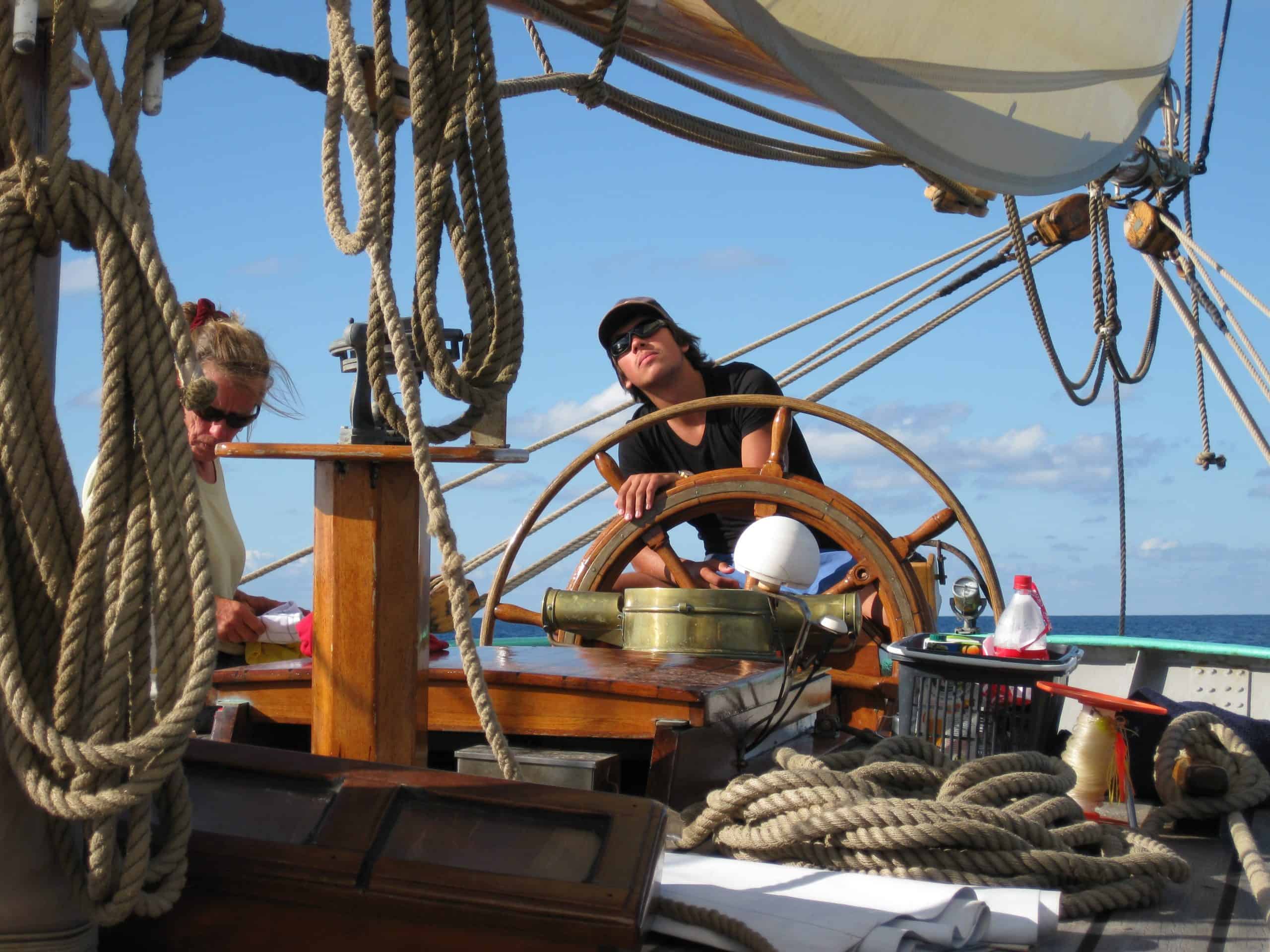
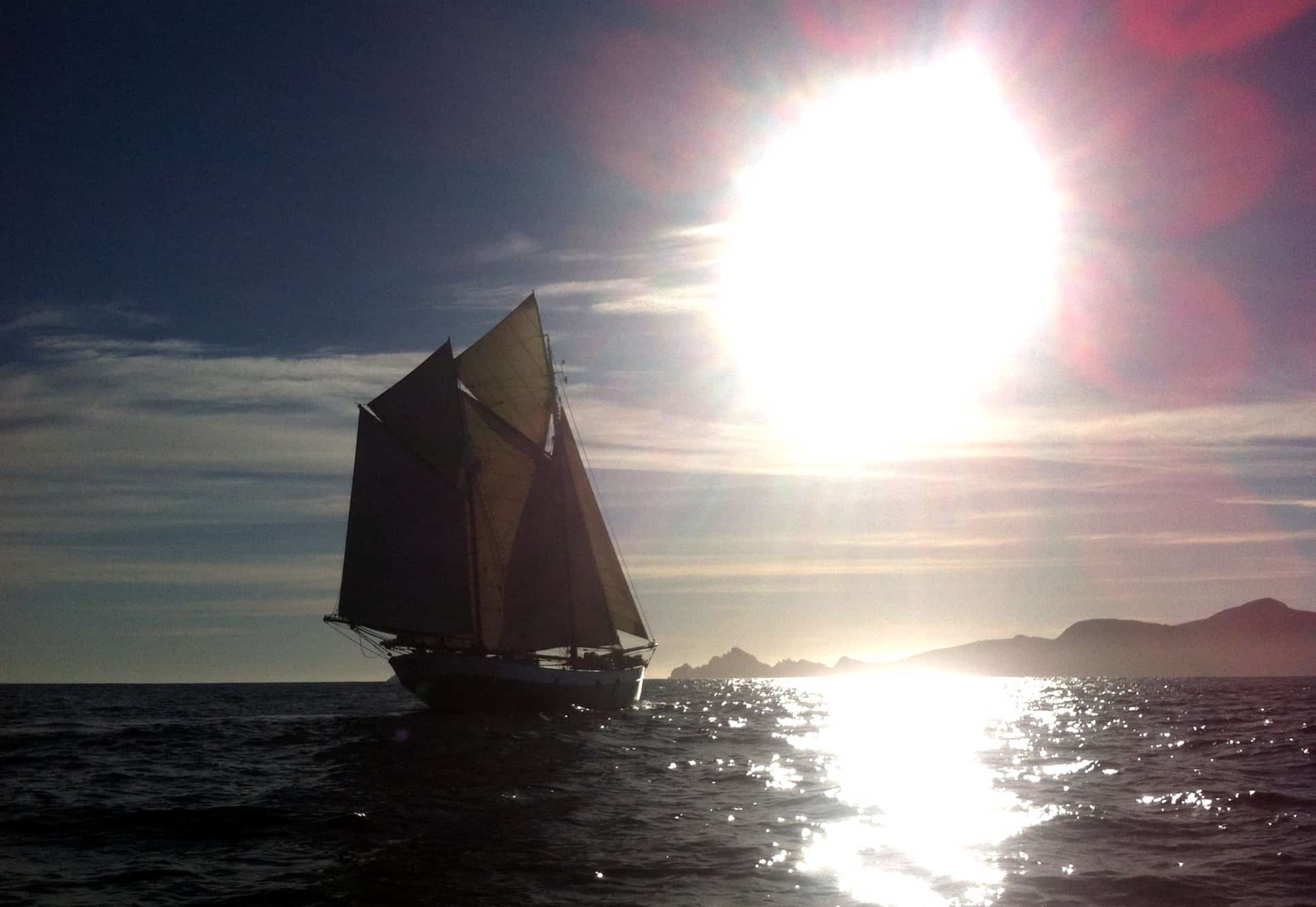
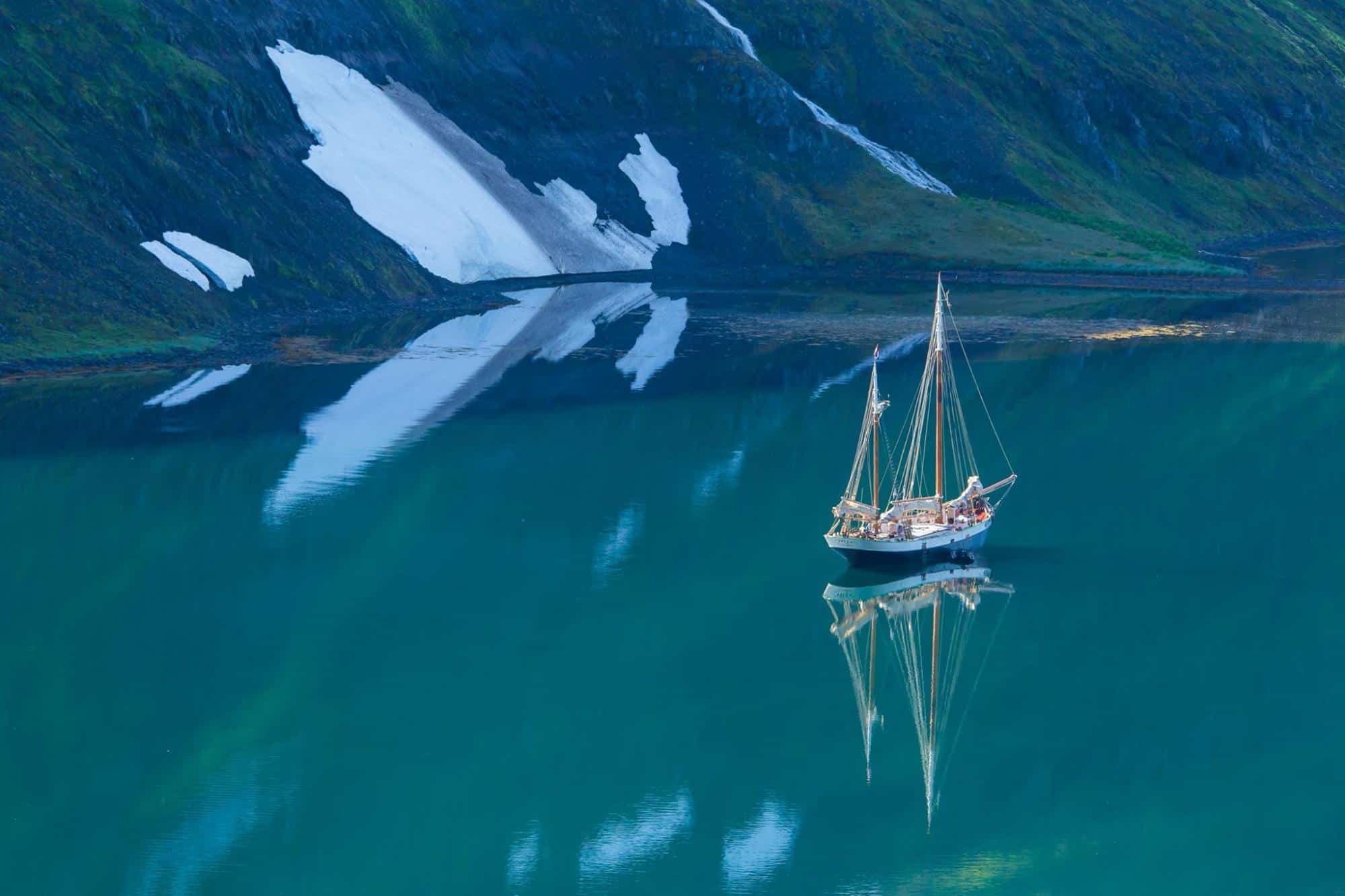
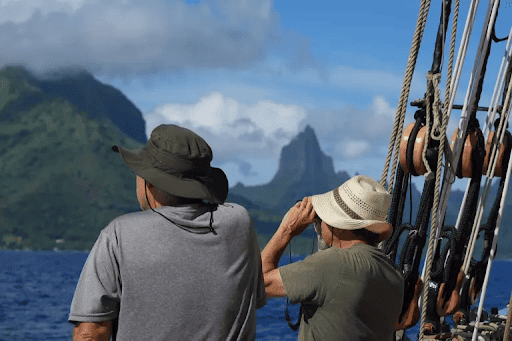
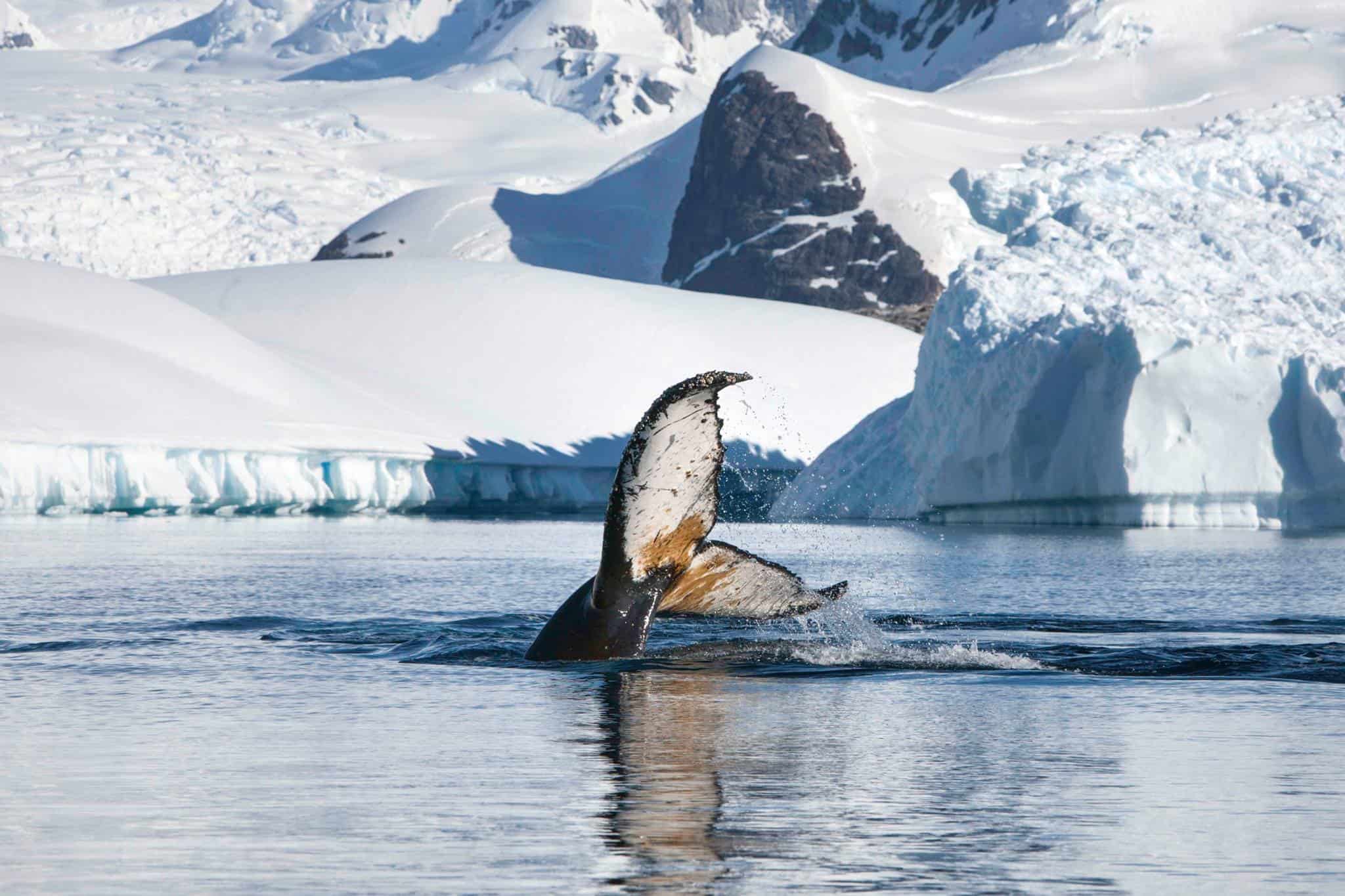
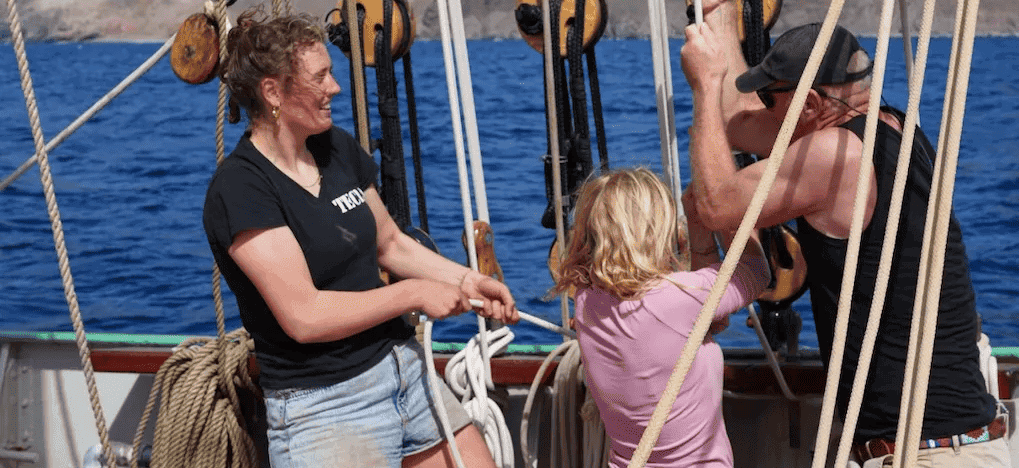
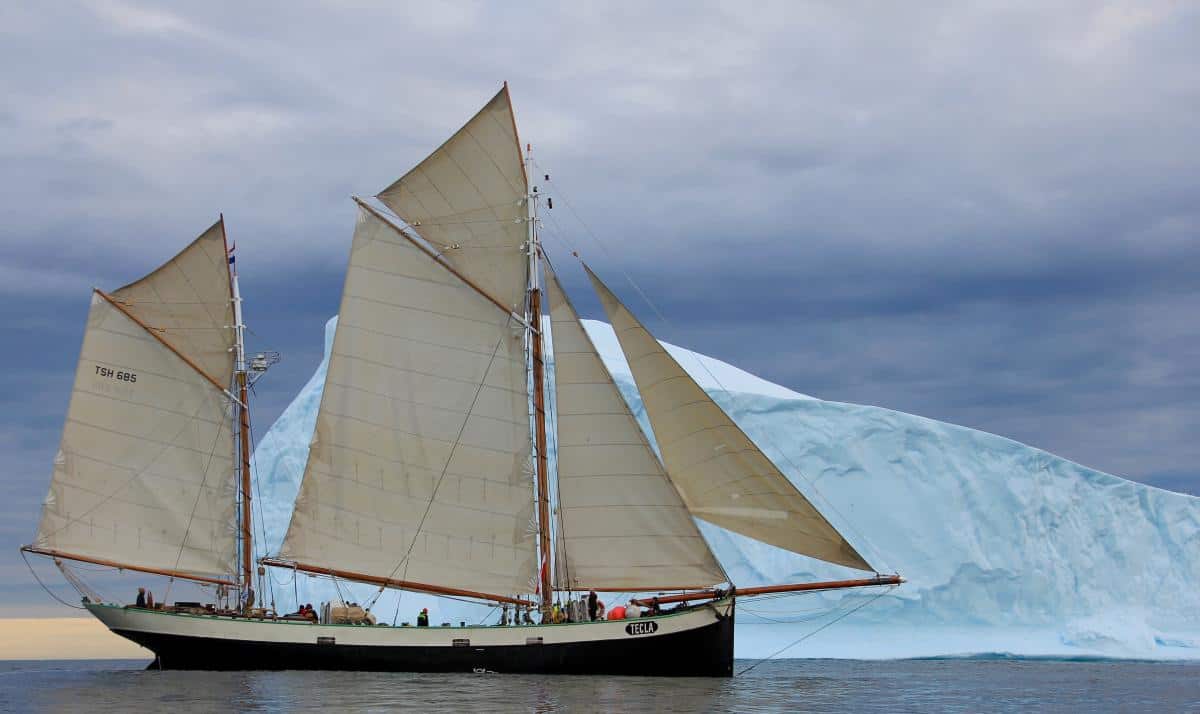
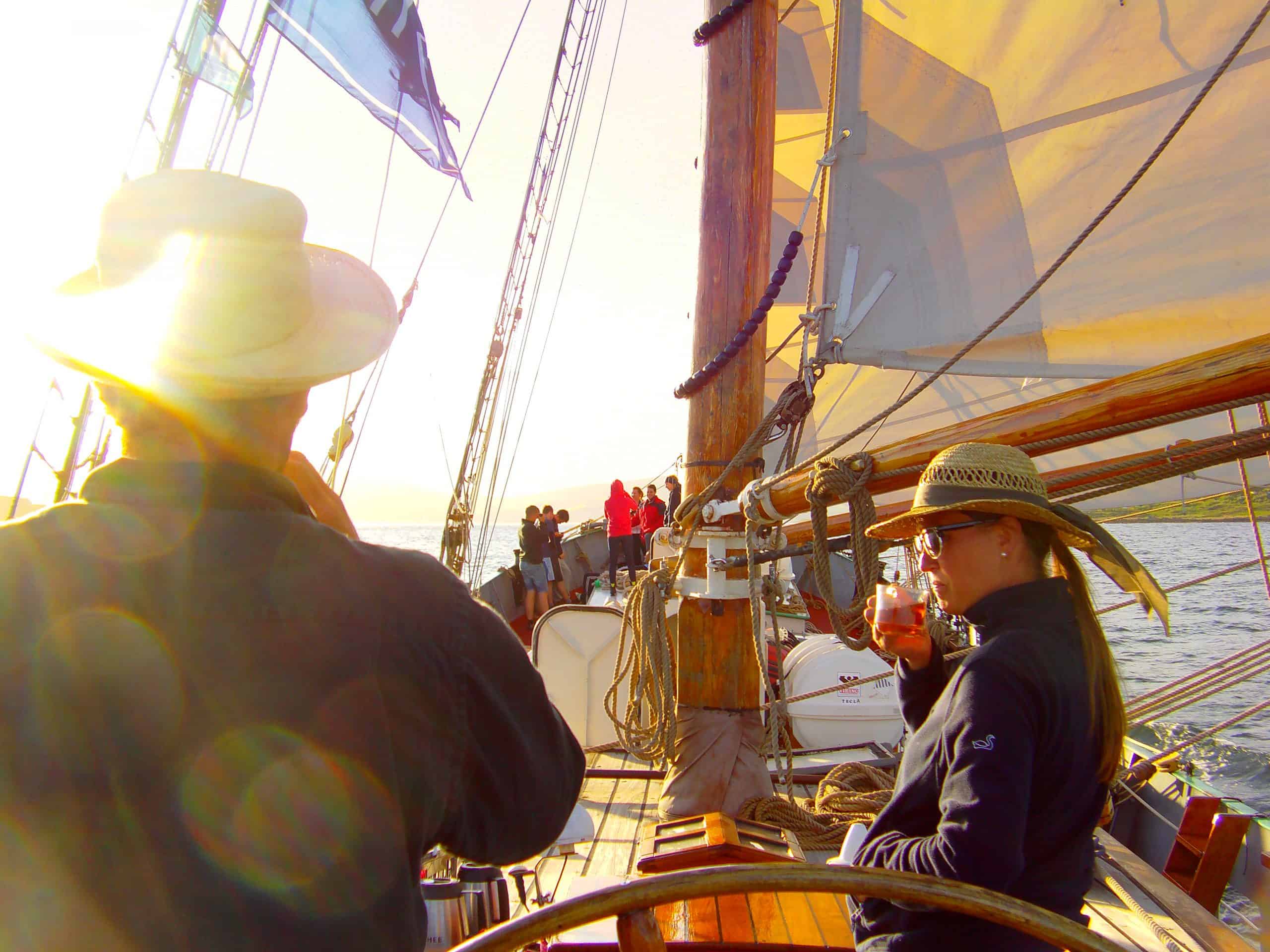
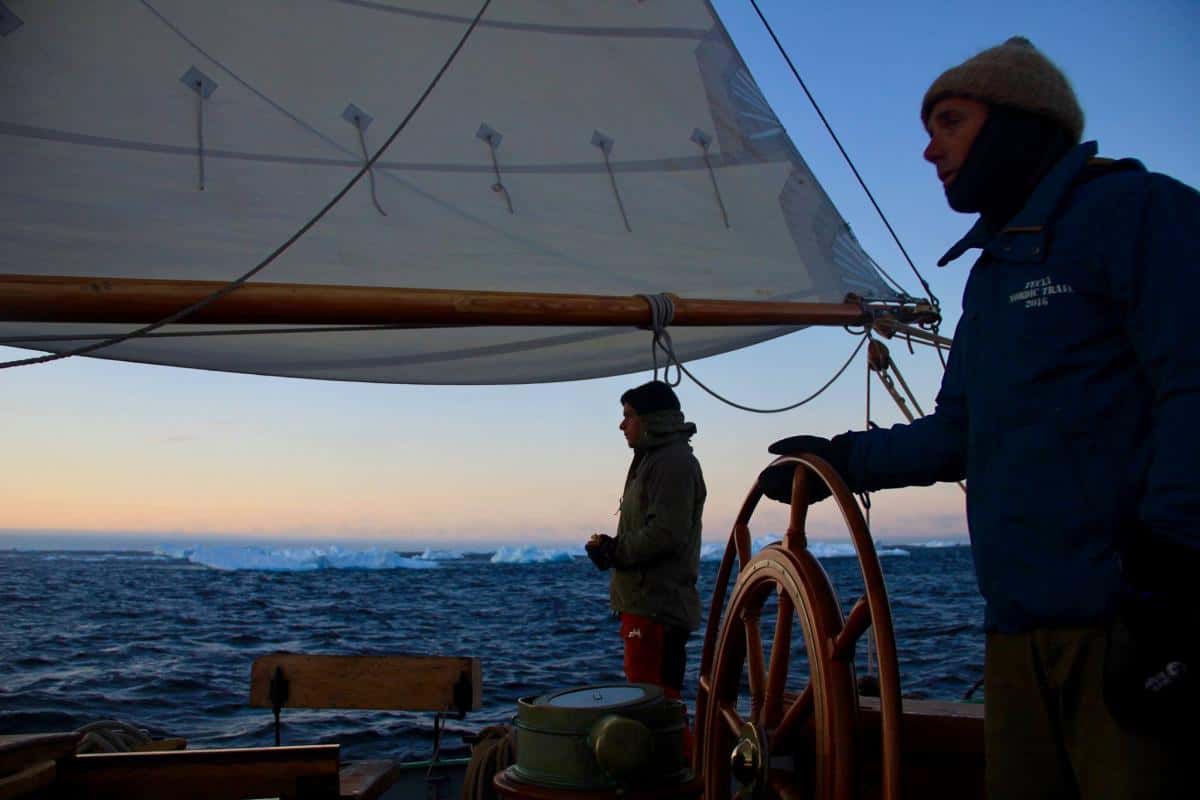
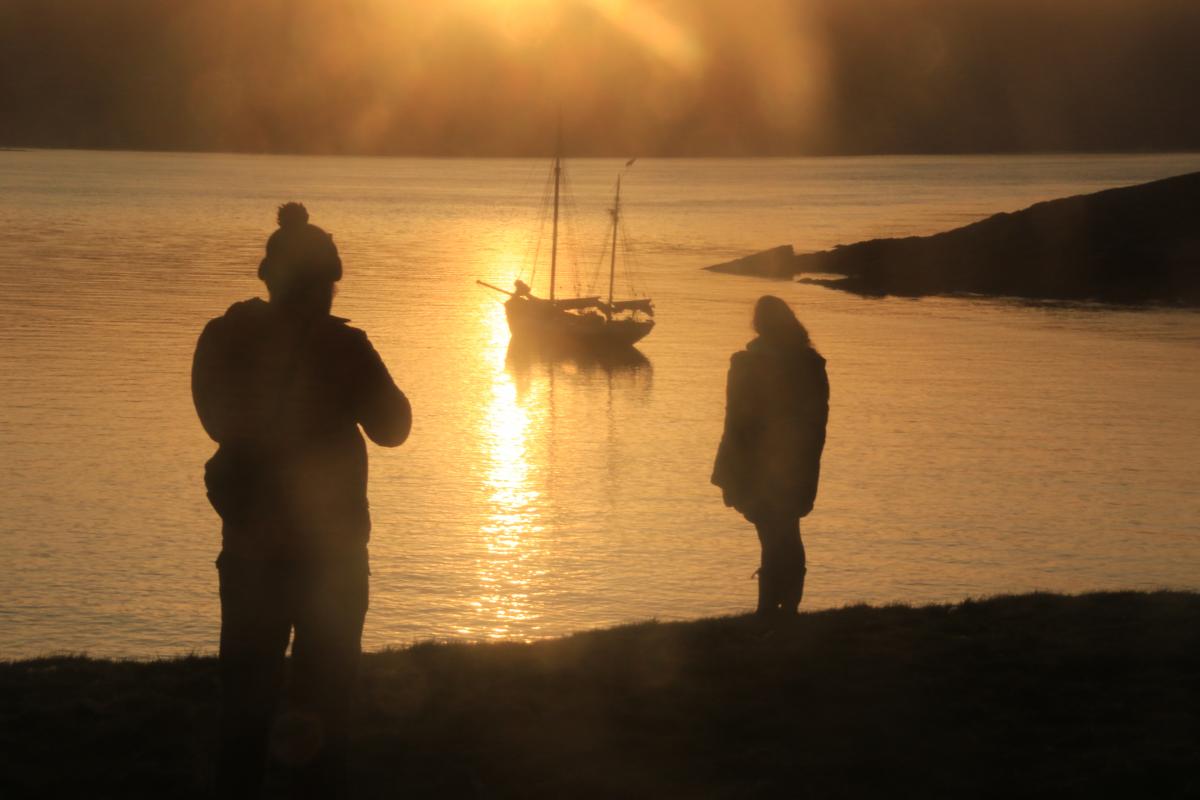
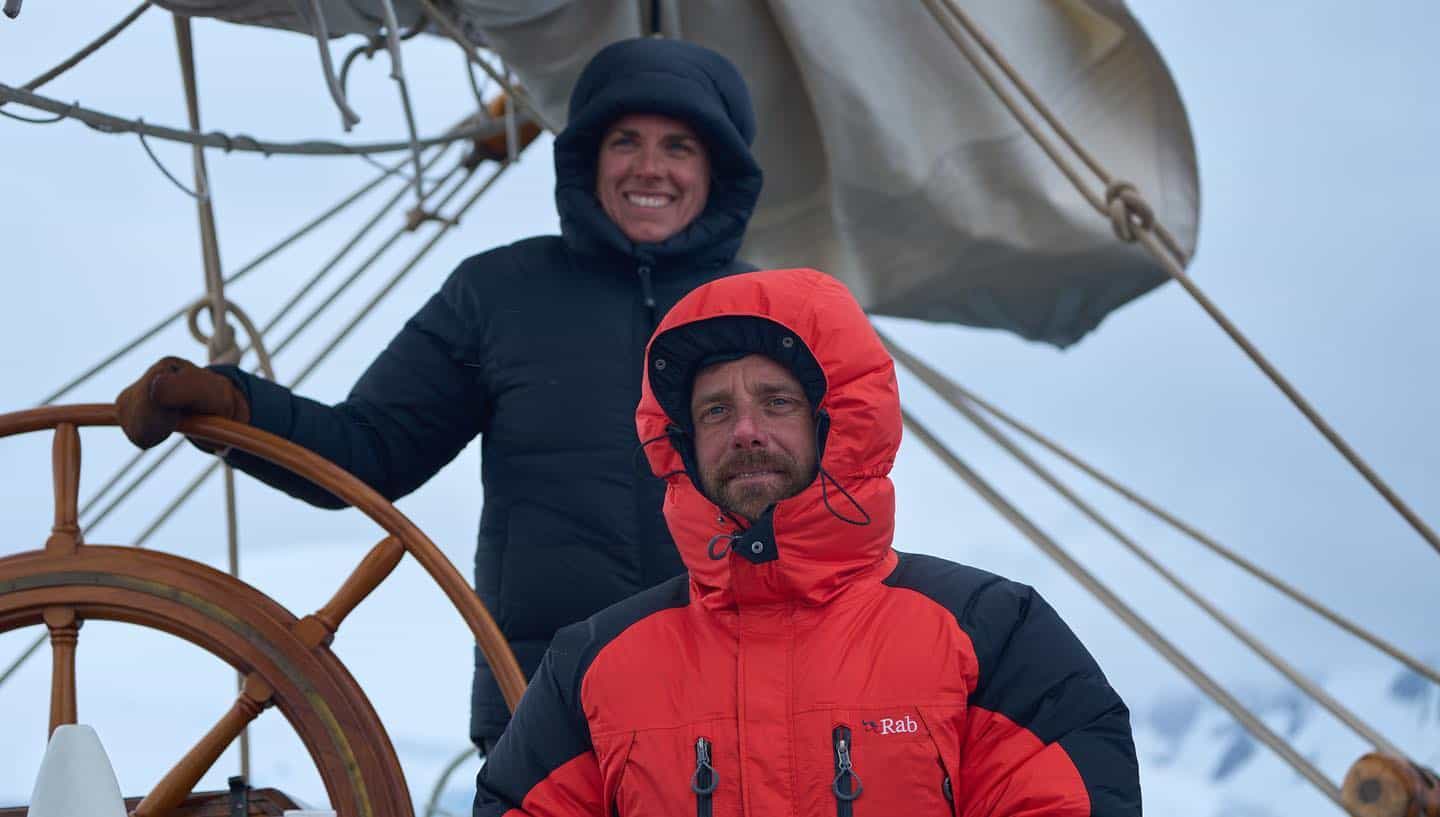
Globe trotting Tall Ship Tecla in action and images. This historic gaff ketch is our Polar Specialist, with expeditions to Antarctica and through the Northwest Passage, but she also has fantastic voyages in sunnier climes. Photos from Classic Sailing customers, ships crew and professional photographers. We hope it gives a flavour of her sailing, life on board, the people that come, her beautiful sailing grounds and what it is like to live below decks.






For daily tall ship news and voyage updates, follow Classic Sailing on Facebook — over 64,000 sailors already do.
facebook.com/ClassicSailing
Horta to Ullapool TC220427
Embark
Thu 22-04-2027
Horta, Ilha do Faial, Azores
Disembark
Thu 06-05-2027
Ullapool, Scotland

From
€3420.00
A Week-Long Crossing of Biscay by Tall Ship
Embark
Sun 25-04-2027
A Coruña, Spain
Disembark
Sun 02-05-2027
Port Blanc, Morbihan, France

From
€1085
Sail a Square Rigger up the English Channel: 6 Nights Aboard
Embark
Sun 09-05-2027
Port Blanc, Morbihan, France
Disembark
Sat 15-05-2027
Amsterdam, Netherlands

From
€930
Recently Viewed Voyages
Huge 7,000 nautical mile voyage TC250227
Embark
Thu 25-02-2027
Port Stanley, the Falklands
Disembark
Tue 20-04-2027
Horta, Ilha do Faial, Azores

From
€7425.00