
| Embark | Disembark | Vessel | Duration | Voyage No |
|---|---|---|---|---|
| Mon 01-02-2027, 18:00Port Stanley, the Falklands | Tue 23-02-2027, 10:00Port Stanley, the Falklands | Tecla | 22 Nights | TC010227 |
Sail on Tecla for an epic Southern Ocean adventure, from and returning to Port Stanley in the remote Falkland Islands. This is not a cruise. You will form a key part of the crew, with everyone on board working together to get the ship to and from Antarctica. No sailing experience is required, but it would be sensible to know you like being at sea!
Encounter diverse wildlife, and immerse yourself in the rich maritime history of the region, visiting significant sites from the age of polar exploration. A truly epic adventure, and run to the strictest IAATO principles of sustainable, environmental and low-impact Antarctic travel.

| Vessel type / Rig | Gaff Ketch |
| Guest Berths | 12 |
| Beam | 22ft |
| Draft | 8.9ft |
| Deck Length | 90ft |
| Overall Length | 124ft |
| Tonnage | 92 tons |
| Year Built | 1915 |
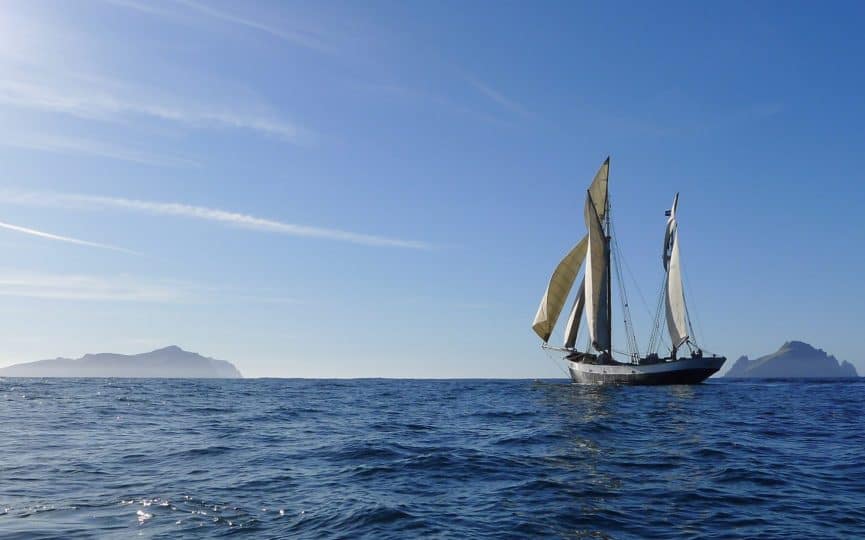

Your adventure starts in Port Stanley, the tiny and charming capital of the Falkland Islands. The harbour is deep and sheltered, filled with supply ships, naval patrols, research vessels and local craft.
On stepping aboard Tecla you’ll meet the professional crew and your fellow sailors and get settled into your bunk. After a safety briefing and introductions over dinner on board, enjoy your first night in harbour before preparing to set sail the following morning.
There may not be much time at this end of the trip to explore the Falklands, but you’ll have a few days after disembarking before your flight home. There is more to see here than you might think!
13 Articles on Sailing in Antarctica – Every thing you need to know..

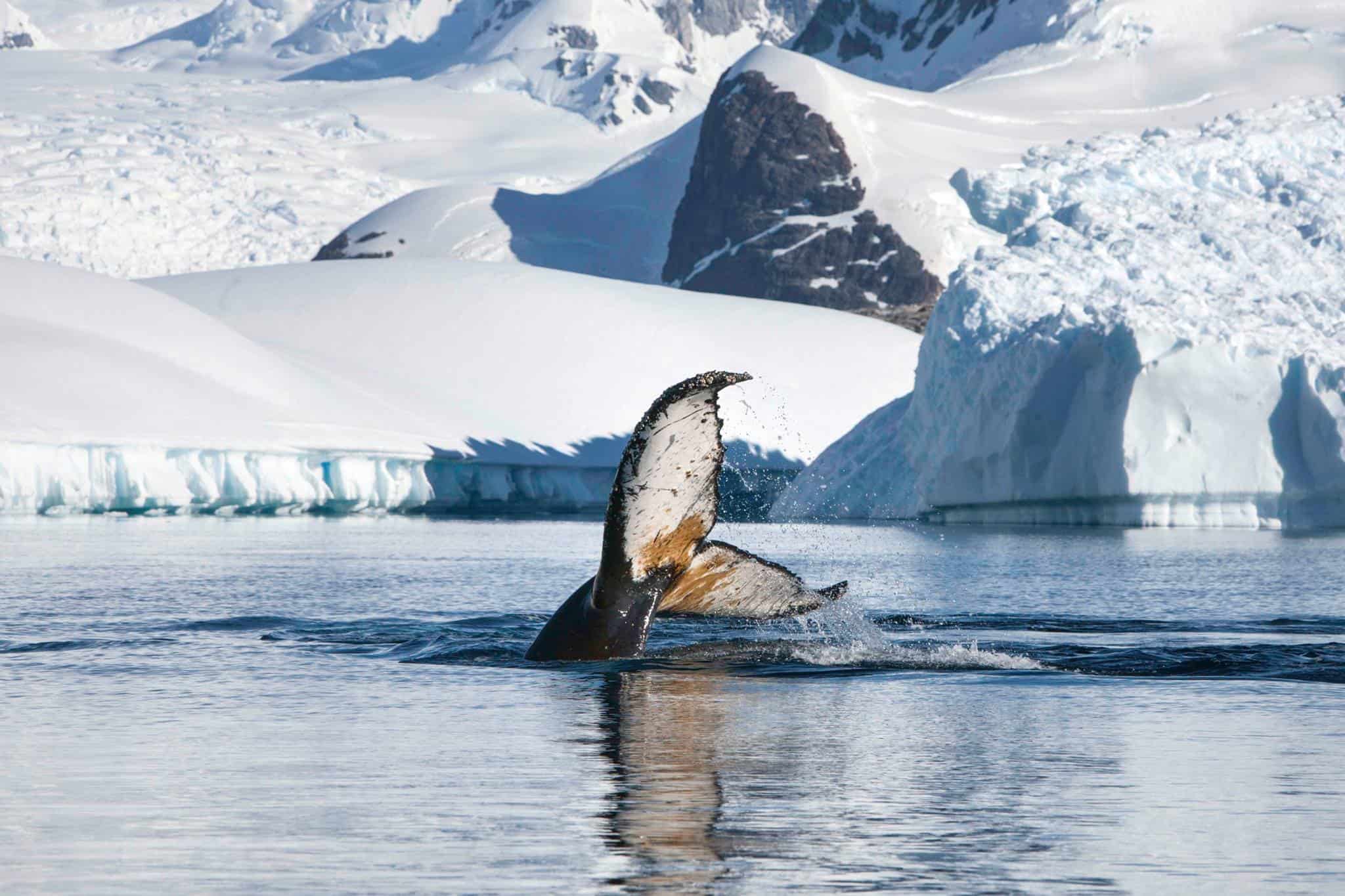
Leaving the rugged coast behind, Tecla will sail into the remote southern waters, guided by wind and currents. The passage to Elephant Island is just shy of 400 nautical miles, which will take at least a couple of days. You’ll soon get into the rhythm of life on board… standing watch, trimming sails and sleeping the sleep of the righteous! Sail across the approaches to the legendary Drake Passage, known for its challenging conditions and incredible wildlife sightings. Keep your eyes open for whales, seals, and seabirds accompanying you across the open ocean.
Famous as the stranding-place of Shackleton’s 1916 expedition, Elephant Island is a fascinating place to visit, and, if conditions allow, you’ll have the chance to explore. There are major colonies of chinstrap and gentoo penguins here, as well as elephant seals, and at Point Wild you can see the modest monument to the remarkable survival and rescue of Shackleton’s men.
Conditions will dictate where exactly on the Antarctic Peninsula you will make landfall, but it will be a passage of around 100 nautical miles from Elephant Island (a long day’s sail). You’ll be greeted by dramatic icebergs and glaciers, explore bays and coves, walk among penguin colonies and marvel at the sheer scale of the Antarctic wilderness.
Visiting Antarctica is a dream come true, and to ensure that this pristine environment remains untouched for future generations, Tecla are proud members of IAATO. This organization is dedicated to promoting safe and environmentally responsible travel to Antarctica. By following IAATO’s strict guidelines, Tecla is committed to preserving the unique ecosystem of the Antarctic while allowing you to experience its awe-inspiring beauty in a sustainable way.

After ten to twelve days in Antarctic waters, we begin the return passage north. This is a serious spell at sea crossing the Drakes Passage but heading North this time. You’ll be an old hand on deck by the time you sail back in to Port Stanley.
Due to the remoteness of the Falkland Islands, flights are limited, and you will have four days after you disembark before your onward travel home. See this for the opportunity it is- the Falklands are remarkable and deserve as much time as you can give them! The Historic Dockyard Museum is small but well curated, and worth a visit. The town itself stretches along the waterfront, with brightly painted corrugated houses, simple workshops and a few pubs and restaurants. Walk the shoreline east towards Gypsy Cove and you’ll see penguins in the surf. You can also take guided wildlife tours to some of the outer islands and visit the enormous King Penguin colony at Volunteer Point.
Most importantly of all, though, take some time in the local cafes to sit, relax, talk to the welcoming locals… and slowly prepare yourself for life back in the real world!

This is a 3-week expedition across some of the world’s most remote and demanding sailing waters. February falls in the final weeks of the austral summer — the best window for access to Antarctica — but you should expect the full range of Southern Ocean conditions throughout.
Leaving Port Stanley, air temperatures will be in the 8–14°C range. As you cross the Scotia Sea south toward Elephant Island, temperatures drop steadily and you cross the Antarctic Convergence — the boundary where cold polar waters meet sub-Antarctic seas — which typically brings fog and a noticeable shift in conditions. By the time you reach Elephant Island and the Antarctic Peninsula, air temperatures will be between -2°C and 8°C, with the sea at or close to freezing (0–2°C). On good days, the Peninsula can produce exceptional conditions — calm channels, clear skies, and extraordinary light. On bad days, it delivers blizzard, whiteout, and katabatic squalls that descend from the mountains with little warning. Both are part of the experience.
On open passages — the Scotia Sea crossings in particular — expect moderate to rough conditions, with swells of 2–4 metres and winds typically in the Force 5–7 range. The Drake Passage has a well-earned reputation, though some crossings are remarkably smooth; there is no way to guarantee which you will get. Gale-force conditions are always possible on any Southern Ocean passage.
Daylight is generous throughout: approximately 14–15 hours at Stanley and extending to over 18 hours near the Peninsula. You will not experience full darkness on the Antarctic Peninsula in February.
Reaching the Falkland Islands is part of the journey. With only a limited number of flights each week, arrival already carries a sense of remoteness.
Most travelers arrive on the weekly LATAM flight from Santiago de Chile (via Punta Arenas), operating on Saturdays into Mount Pleasant. This is the only regular commercial connection to the islands. Search LATAM Puntas Arena to Mount Pleasant here
An alternative route is the South Atlantic Airbridge, operated by the UK Ministry of Defence. This flight typically departs once a week from RAF Brize Norton (UK), usually on Sundays, and connects to the Falklands via a long-haul military route. A limited number of civilian seats are available.
After disembarkation on Tuesday 23 February, there is time to explore the Falkland Islands before onward travel the following Saturday.
These days are not structured as part of the expedition, but they offer an opportunity to experience the islands at a different pace—on land rather than at sea.
Below are three possible ways to spend approximately four days in the Falklands.
A relatively accessible way to explore the islands, based out of Stanley.
Day 1: Arrival and time in Stanley (small capital, museum, local life)
Day 2: Excursion to Volunteer Point (king penguin colony)
Day 3: Walks to nearby sites such as Gypsy Cove
Day 4: Free day or optional boat trip
Indicative costs:
Accommodation: €120–180 per person per night
Excursions: €80–150 per day
This option offers a balanced introduction to the Falklands, with good wildlife access and relatively simple logistics.
A more remote experience, staying on one of the smaller islands.
Day 1: FIGAS flight to an outer island
Day 2–3: Wildlife observation (sea lions, elephant seals, penguins)
Day 4: Time for walking and photography, return to Stanley
Indicative costs:
All-inclusive lodge: €250–400 per person per night
FIGAS flights: approx. €100–150 one way
This option is quieter and more immersive, with direct access to wildlife and open landscapes.
For those who prefer a more active approach to exploring the islands.
Day 1: 4×4 off-road tour beyond Stanley
Day 2: Hike to Mount Tumbledown (landscape and historical sites)
Day 3: Visit to Carcass Island (walking and birdlife)
Day 4: Free day (optional kayaking, fishing, or additional excursions)
Indicative costs:
Tours: €100–200 per day
Accommodation: €120–200 per person per night
This option focuses more on movement and landscape, with a mix of history and outdoor activity.
On a sailing voyage we never use the word itinerary, as skippers will always be aiming for the best and safest sailing routes for the forecast. They are as keen as you to include some of the highlights described above, but when it comes to sailing, you have to go with Mother Nature, not fight her. The description provided is based on what we think might be possible, based on past trips, or prior experience, but nothing is guaranteed on a sailing voyage. As such, the scheduled joining ports, routes, activities and/or destinations may be altered. Due to the complexities of weather systems, this may be at very short notice.
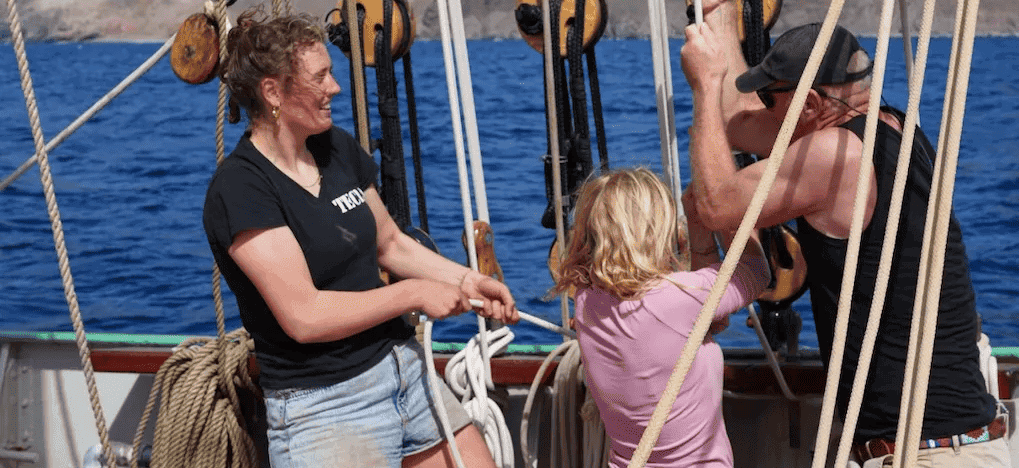
Whether you are an experienced sailor or a complete beginner, the professional crew will train you to be guest crew from the moment you arrive, with the intention that everybody works together to sail the ship. The common thread to all Classic Sailing holidays is ‘Hands on’ participation on ships that use ropes, blocks and tackles and ‘people power’ to set sail. For more on this, see our article ‘What is a Hands-On Sailing Holiday?’
We cater for a wide range of ages and physical abilities and how much you are expected to do varies a bit between vessels. See the vessel tab above which explains all about the ‘sailing style’ and what to expect in terms of hands on participation. There is a lot of information about day to day life, the ships facilities and accommodation on the vessel pages.
Stanley is the picturesque capital of the Falkland Islands. We would highly recommend renting an all-terrain car and spending a few days exploring the archipelago from here. It gives you the freedom to discover the diverse attractions the Falklands have to offer. From historical war sites to intriguing nautical wrecks, captivating wildlife, stunning rock rivers, and the island’s rich sheep farming heritage, there’s something for everyone.
Not all sailing areas require the same gear, the same foul weather equipment or even the same shorts. But some items you must always bring. In this kit list we hope to give you a small insight in what to bring, but of course, please consider this list might not encumber all that you would wish to take!
Very important is that your bag or small suitcase needs to be stored in the room, under your bed, there is limited space – so bring a foldable bag! the following is Tecla's standard included/excluded and kit list. Below this you can find more specific info and kit lists dependant on sailing area.
When the ocean crossing is not part of the Southern Ocean sailing (so no South Georgia or Antarctica included) the crossings are usually in warm weather. Going from North to South, please be advised that the weather in the Falkland Islands is cool and wet! So also bring at
least one set of warm clothing.
If there are any items you usually take on your hikes, and they are easy to take in your luggage, don’t forget to bring them!
On the Falkland Islands, South Georgia and Antarctica there are different levels of Bio-Security we will have to comply with. To make it easy on yourself we recommend you bring one set of hiking gear that you would like to use on shore, that is completely cleaned at home. This means Velcro is cleaned and does not contain any seeds or pollen. Your pockets are empty of any seeds, pollen, sand etc. Your boots are cleaned, no sand or mud on them.
This way, getting ready for the first landing becomes a walk in the park. For more information on Bio Security, please contact us.
These surroundings can be very cold, especially on longer watches. And also because these areas are protected, we ask you to take at least two sets of wet weather gear, with one of them at least completely clean. If you have sailing gear, perfect, but also bring some light weight, waterproof hiking gear. We recommend goretex pro of any brand. This is tough and durable. Often easy to clean and light weight.
In the cold, making layers is important. If there is no rain, most 800gr down jackets with a merino wool layer underneath are warm enough. If it rains, most jackets do not fit over the down jacket. Therefore we recommend layer one merino wool, layer two a woollen sweater, layer three a thinner down jacket or wind stopper and layer four your water proof jacket.
Of course we understand that not everybody has these items in their closet. Please contact us if you are unsure what to pack.
Summer in the Northern Territories of Canada can be cold, but they can be beautiful and warm as well. During the 2019 voyage we have had days of 2 degrees and days of 19 degrees. We had nights of 0 degrees, but also nights with a warm land breeze, where a woollen sweater and merino under layer were enough.
I have sailed with the Tecla several times, from harbour hopping along the north coast of Scotland, to fjord hopping around Iceland, to an open ocean voyage from Ullapool to Tenerife. These have been among the greatest experiences of my life and far exceeded my expectations... I have told Jet and Gijs that I think the stern area of the Tecla is the happiest place on Earth!
Richard
This trip fulfilled my desire for adventure sailing as we transited the north coast of Iceland, along the Arctic Circle. Even though it was rough, the boat and crew performed admirably.
Bruce
An enjoyable week in less than ideal weather conditions. The crew were competent and friendly, the catering excellent. I wouldn't hesitate to recommend a voyage on Tecla.
Jonathan
A great mix of sailing in Scottish waters, some super hikes and an opportunity to see some of the immensely important historical sites in the Orkneys and Sheltands.
Mooring alongside in the Fair Isles was a great privilege.
The ocean passage to the Faroes was quiet but as a result we were blessed with clear skies whilst slinking in and out of the islands and some of the best coastal views one could hope to see anywhere.
The ocean passage to Iceland was a bit of a bimble until we were 60 miles off and then it got exciting. Thanks to a great skipper and permanent crew we snuggled into a fjord whilst the cruise ship ran aground in Reykjavik harbour. A good holiday, an adventure and fun.
K
Any initial doubts as to the number and experience of the crew were very quickly dispelled and we were impressed with the knowledge and the handling skills of the skipper and the 2 mates. Every opportunity was taken to enhance our enjoyment on both voyages and at every stage we were made to feel relaxed and under no obligation to crew the ship under sometimes testing (but enjoyable) conditions. As an observation, we must congratulate the skipper for her culinary skills under difficult conditions..........the food was perfect for the voyage.
Geoff
A delight. A competent and engaging professional crew, an interesting voyage with some challenges and some great rewards. Good companions to make the log spin around.
Mike
Brilliant. I would do it again tomorrow. And good value too. The food was excellent. I loved the spicy meatballs and my wife loved the fresh langoustines.
Steve
Most enjoyable classic sailing with great food, a true sense of teamwork, great guidance and a good sense of humour. Can't get any better.
Thomas
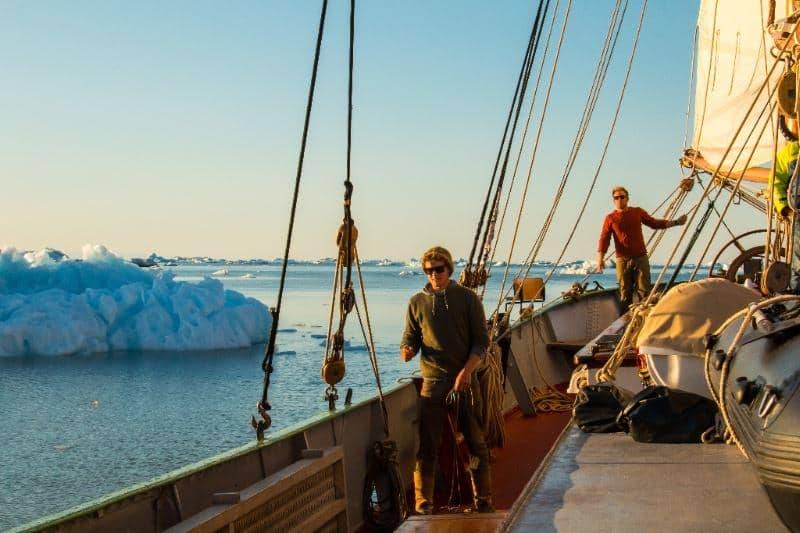
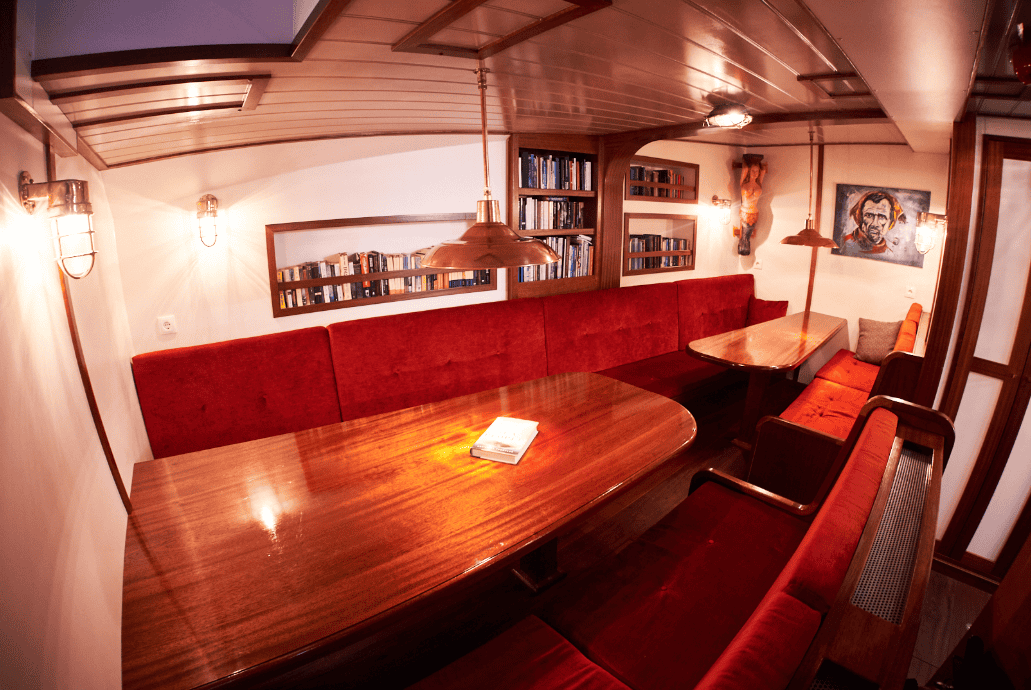
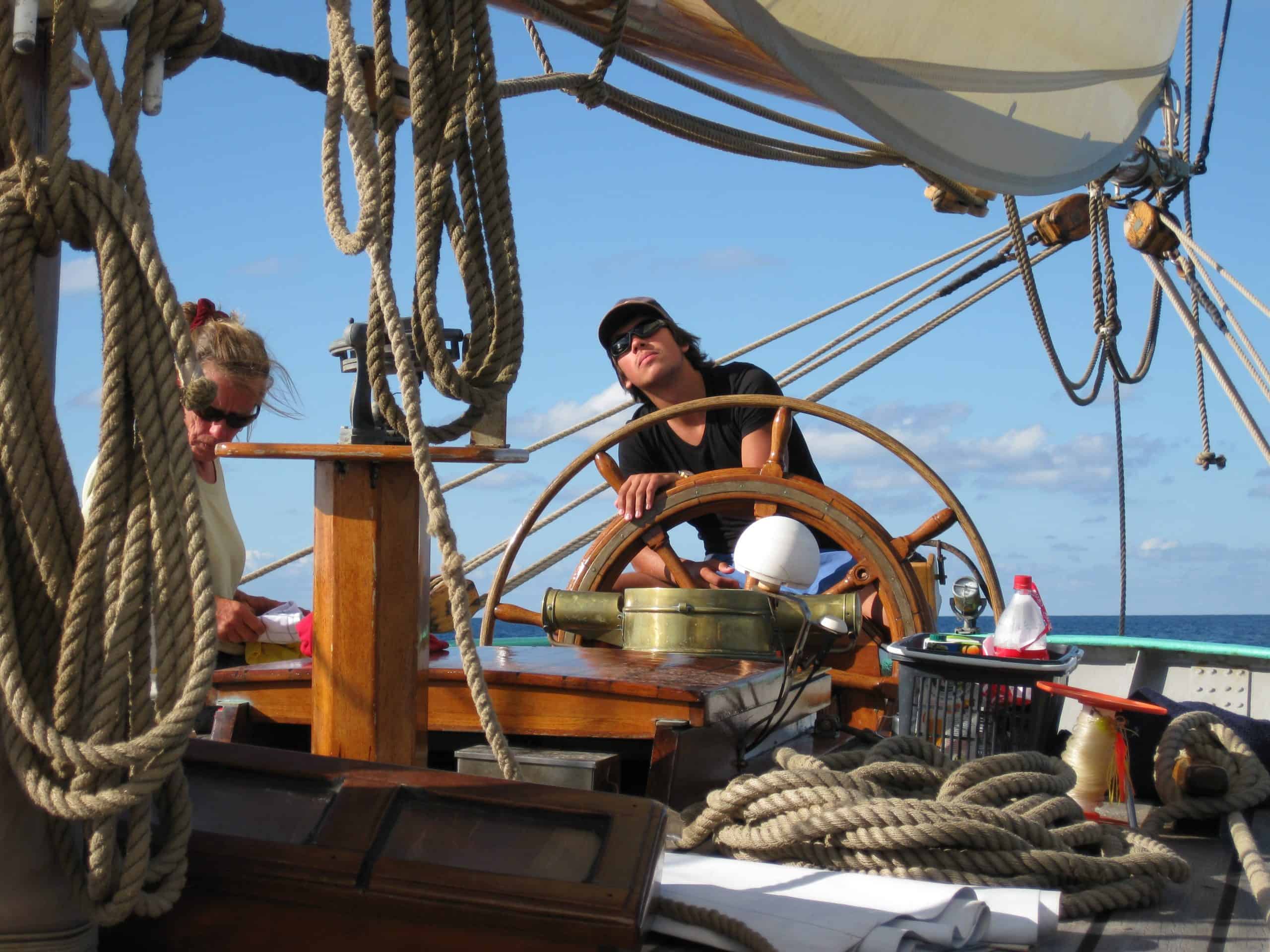
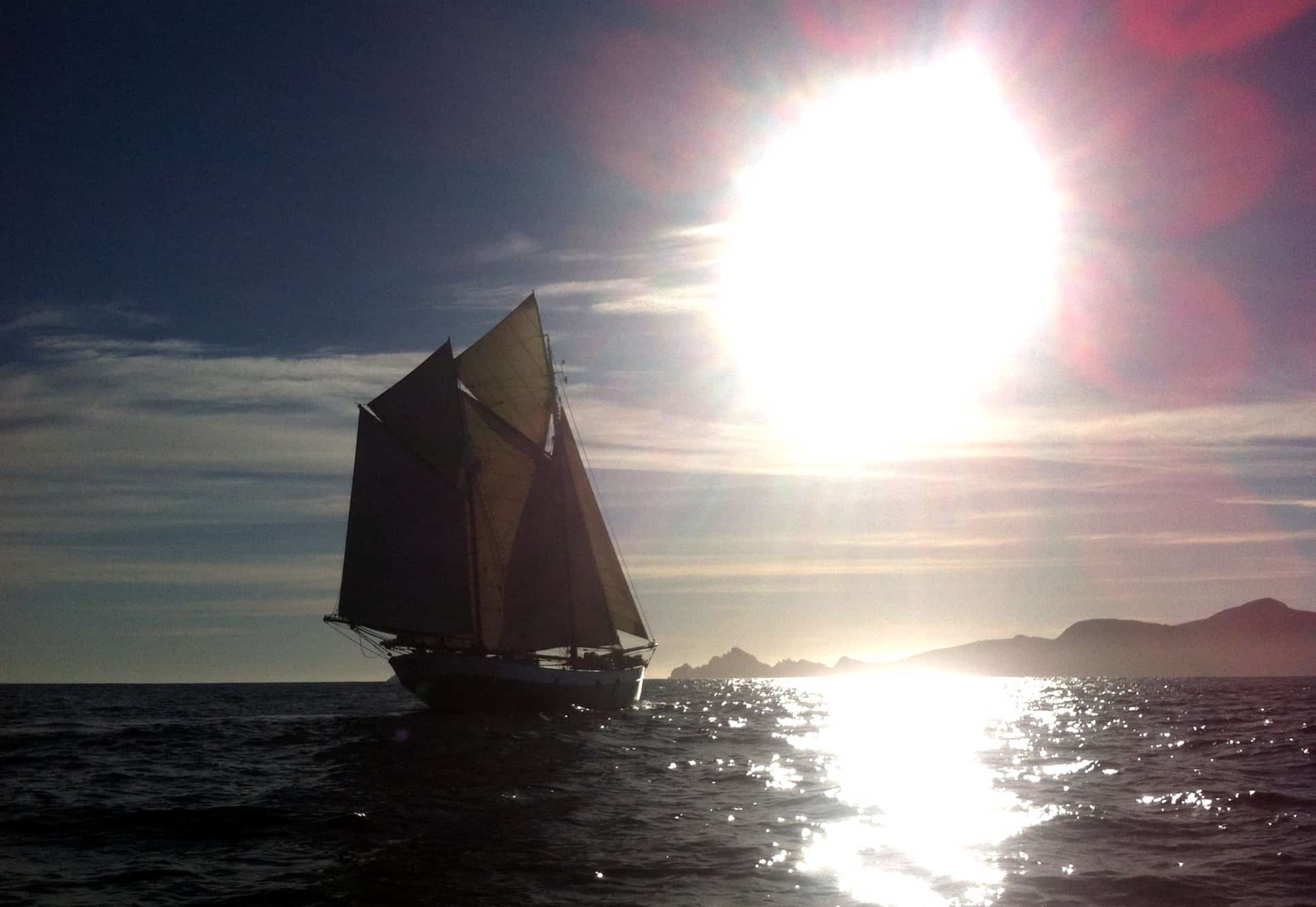
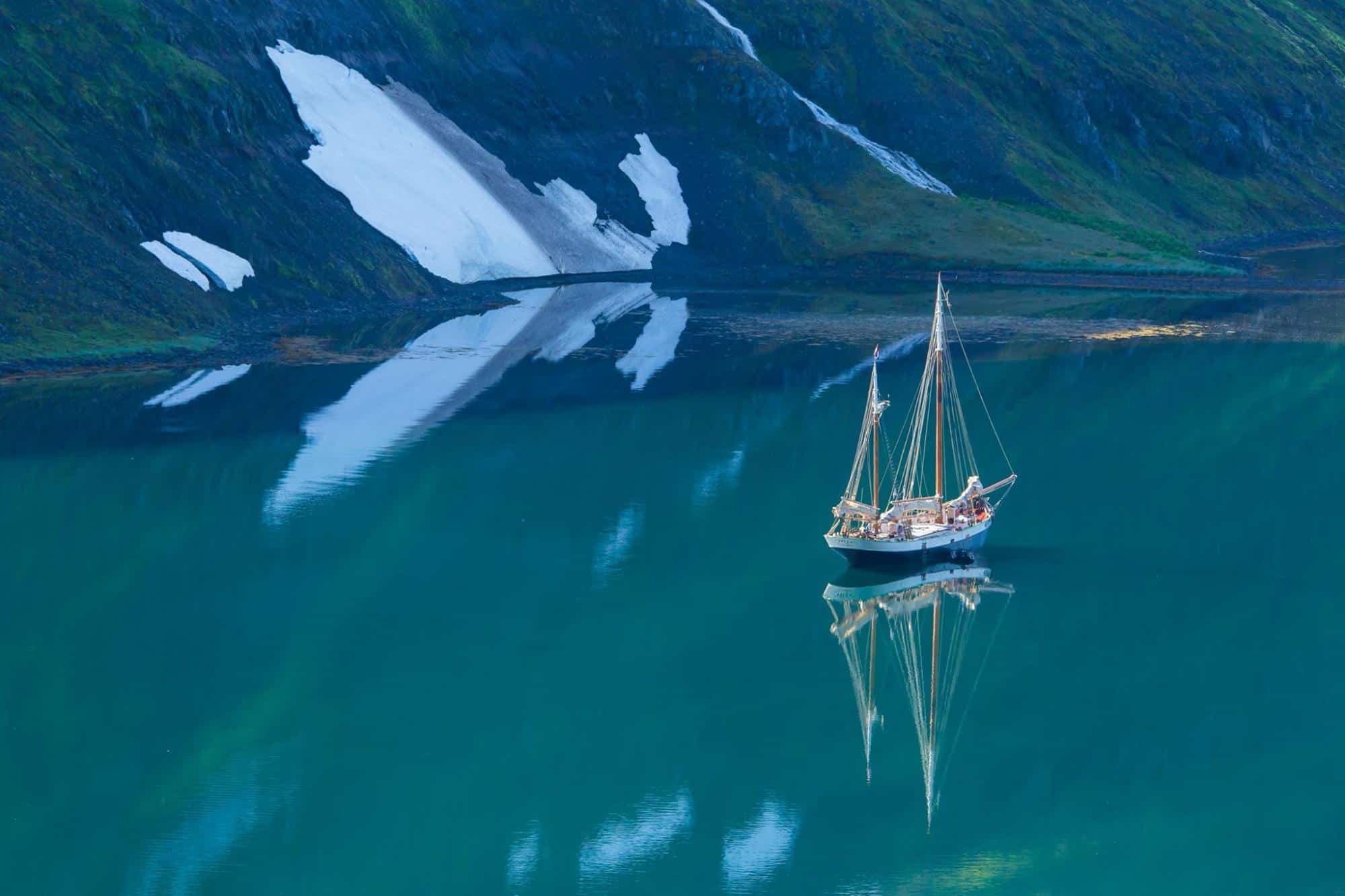
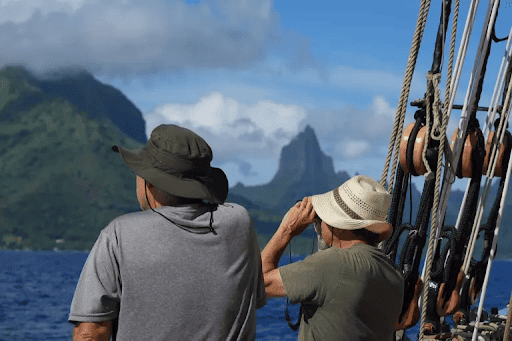
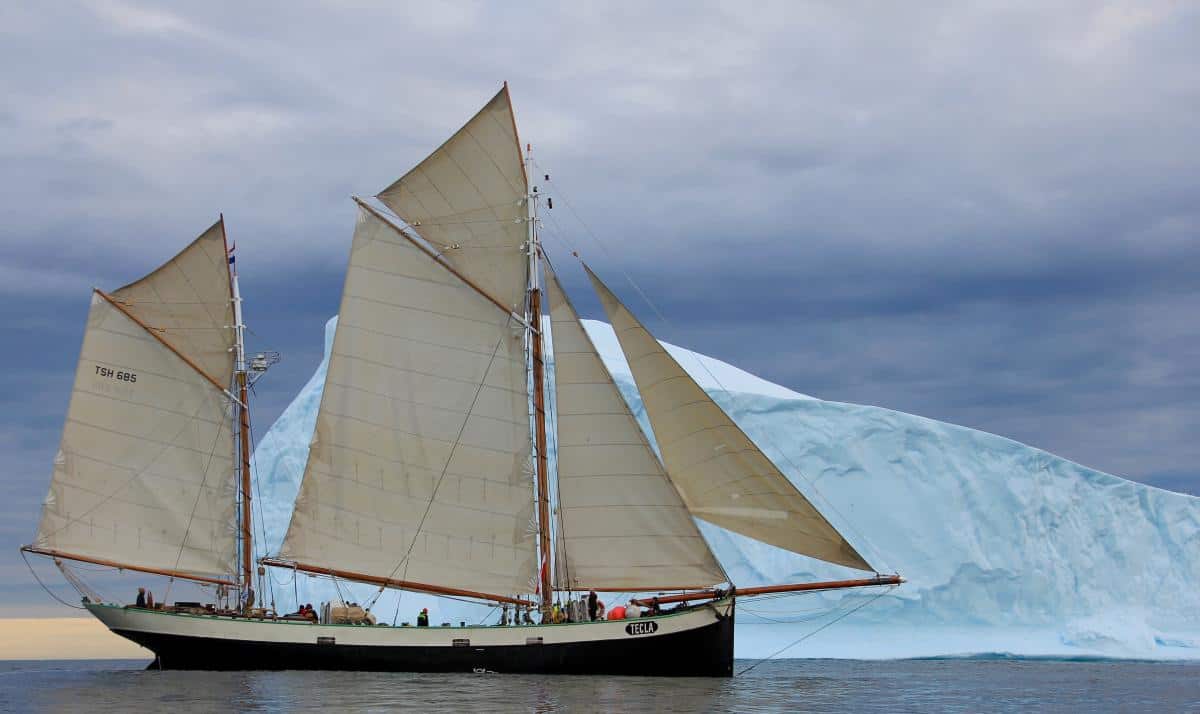
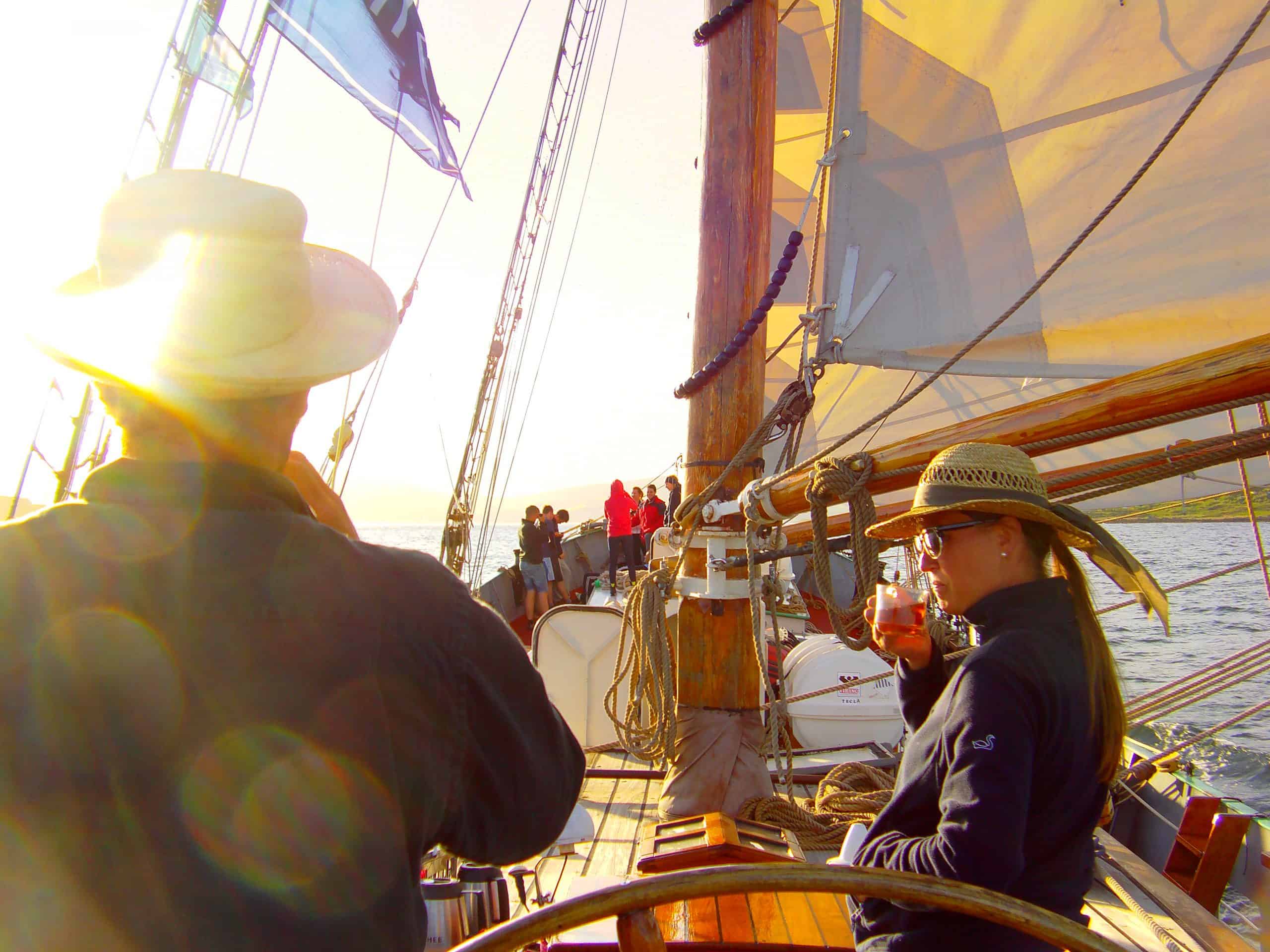
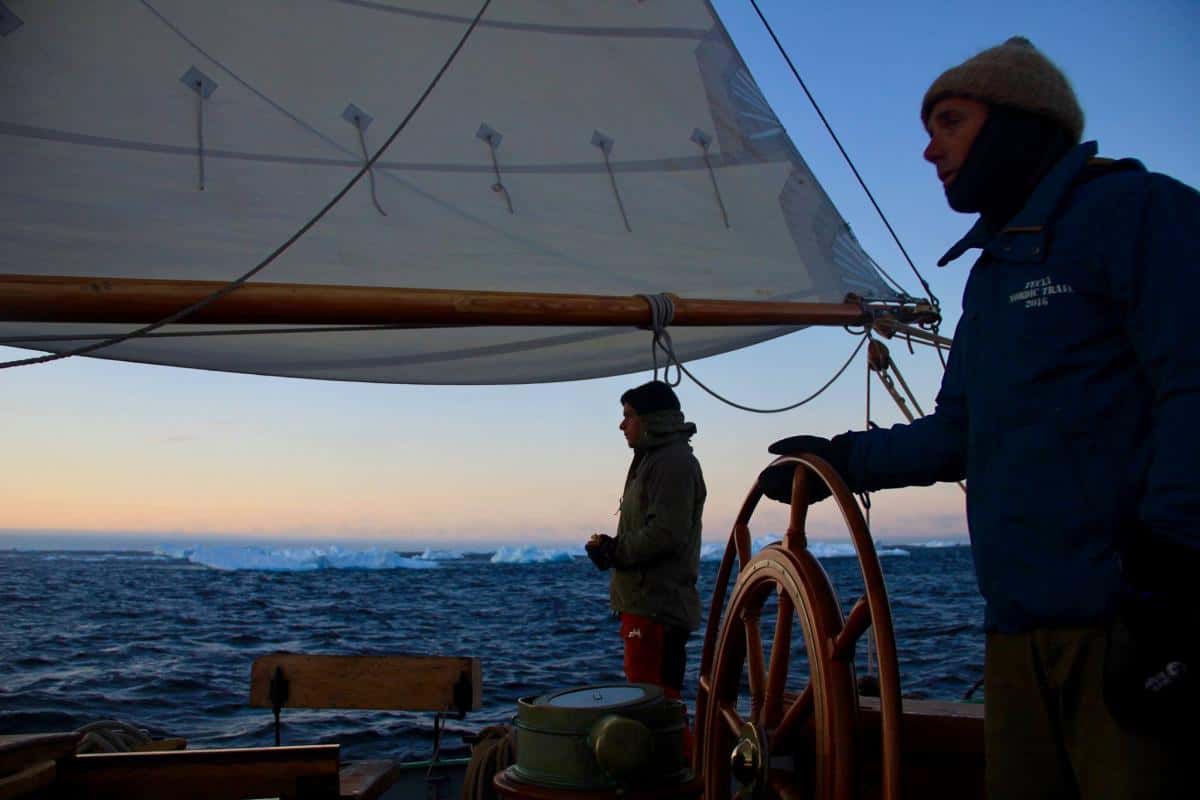
Globe trotting Tall Ship Tecla in action and images. This historic gaff ketch is our Polar Specialist, with expeditions to Antarctica and through the Northwest Passage, but she also has fantastic voyages in sunnier climes. Photos from Classic Sailing customers, ships crew and professional photographers. We hope it gives a flavour of her sailing, life on board, the people that come, her beautiful sailing grounds and what it is like to live below decks.






The Drake Passage, Antarctica & South Georgia - 39 nights - TC221226
Embark
Tue 22-12-2026
Puerto Williams, Chile
Disembark
Sat 30-01-2027
Port Stanley, the Falklands

From
€14600
Explore Antarctica - TC061126
Embark
Fri 06-11-2026
Puerto Williams, Chile
Disembark
Fri 27-11-2026
Puerto Williams, Chile

Fully Booked
Recently Viewed Voyages
Antarctica: 22-Night Round Trip from the Falklands
Embark
Mon 01-02-2027
Port Stanley, the Falklands
Disembark
Tue 23-02-2027
Port Stanley, the Falklands

From
€9000.00