
| Embark | Disembark | Vessel | Duration | Voyage No |
|---|---|---|---|---|
| Thu 22-04-2027, 18:00Horta, on Ilha do Faial, Azores | Thu 06-05-2027, 10:00Ullapool, Scotland | Tecla | 14 Nights | TC220427 |
Cross the North Atlantic aboard the two-masted ketch Tecla, sailing from the volcanic Azores to Scotland’s dramatic Highlands. This 1,300-nautical-mile ocean passage offers authentic tall ship adventure where you’ll become part of the crew.
Experience the timeless rhythm of ocean sailing as you take the helm, set canvas, and stand night watches under star-filled skies. Learn traditional seamanship from professional crew while spotting whales and dolphins in these rich Atlantic waters. Navigate through the Western Approaches, Irish Sea and Western Isles as you approach Scotland. The passage takes 10-14 days depending on conditions, with all itineraries subject to weather.
Your achievement is completed on your arrival in picturesque Ullapool, nestled beneath towering Highland peaks, marks the completion of an unforgettable ocean crossing.

| Vessel type / Rig | Gaff Ketch |
| Guest Berths | 12 |
| Beam | 22ft |
| Draft | 8.9ft |
| Deck Length | 90ft |
| Overall Length | 124ft |
| Tonnage | 92 tons |
| Year Built | 1915 |
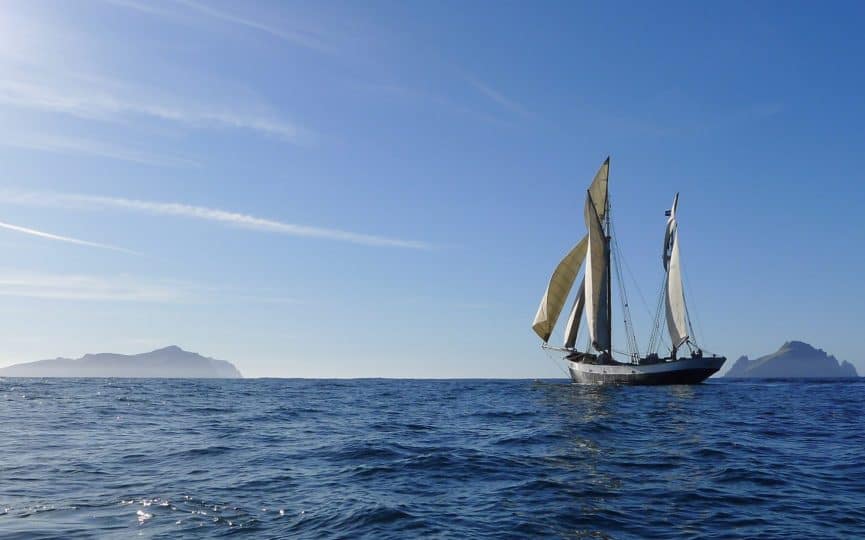
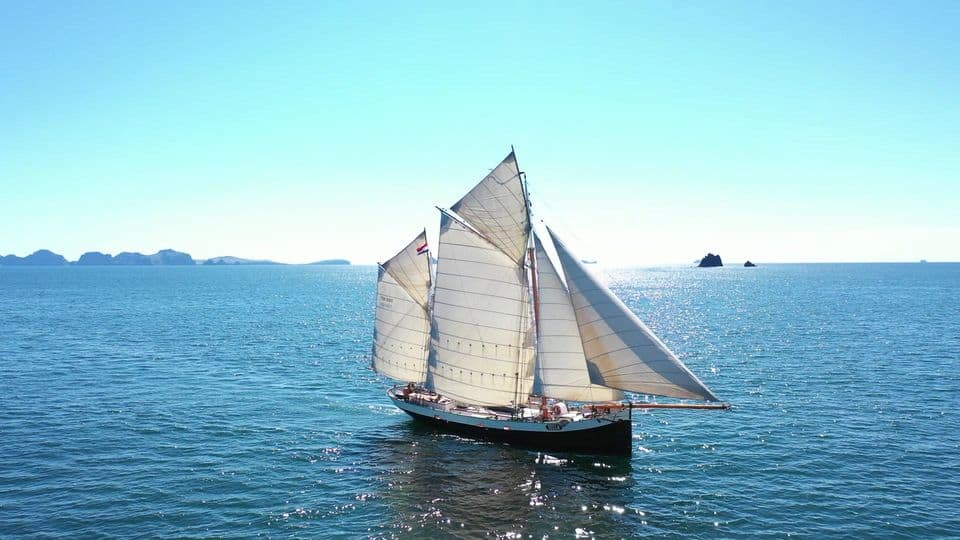
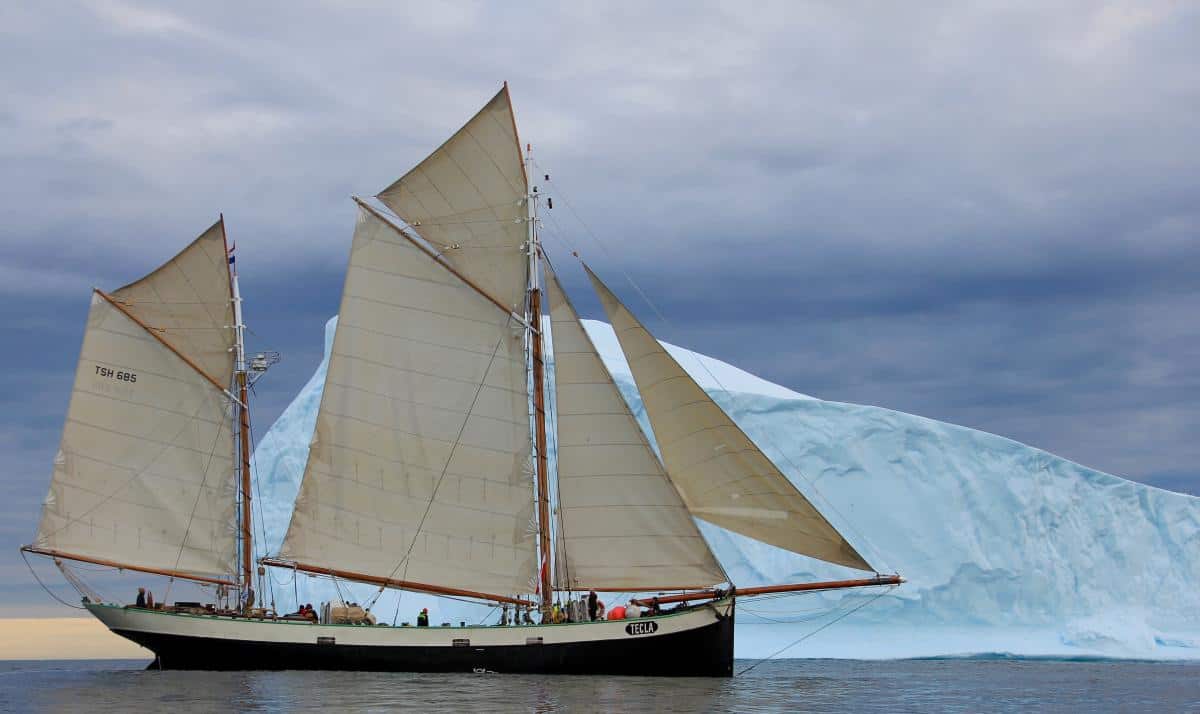
Join an extraordinary ocean passage aboard the magnificent three-masted schooner Tecla, sailing from the volcanic beauty of the Azores to the dramatic Scottish Highlands port of Ullapool. This 1,300-nautical-mile ocean passage across the North Atlantic offers an authentic tall ship experience, where you’ll become part of the crew, learning traditional sailing skills while crossing one of the ocean’s most storied routes.
Your adventure begins in Horta, the historic sailing crossroads of the Atlantic. This unspoilt Azorean port town on Faial Island has welcomed ocean voyagers for centuries, and its famous marina walls are covered with paintings left by sailors from around the world. Before departure, explore the cobbled streets lined with cafes and maritime museums, visit the dramatic volcanic landscape of Capelinhos, or take a day trip to the stunning Caldeira crater. You can make it a fun day out by hiring an EV Scooter and walking around the Caldera, I thoroughly recommend it. The island’s whale-watching opportunities are exceptional, and you might spot sperm whales, dolphins, and even blue whales in these rich Atlantic waters. The local cuisine blends Portuguese traditions with Atlantic seafood, offering wonderful dining experiences before you set sail.
As Tecla departs Horta, you’ll experience the thrill of sailing away from land on a vessel that embodies over a century of maritime heritage. Built in 1915, this tough Dutch ketch has been excellently maintained and offers a perfect blend of traditional character and modern safety standards. The passage north takes you through waters that have challenged and inspired sailors for generations, following routes once traveled by fishing fleets, explorers, and merchant vessels connecting Europe with the
New World.


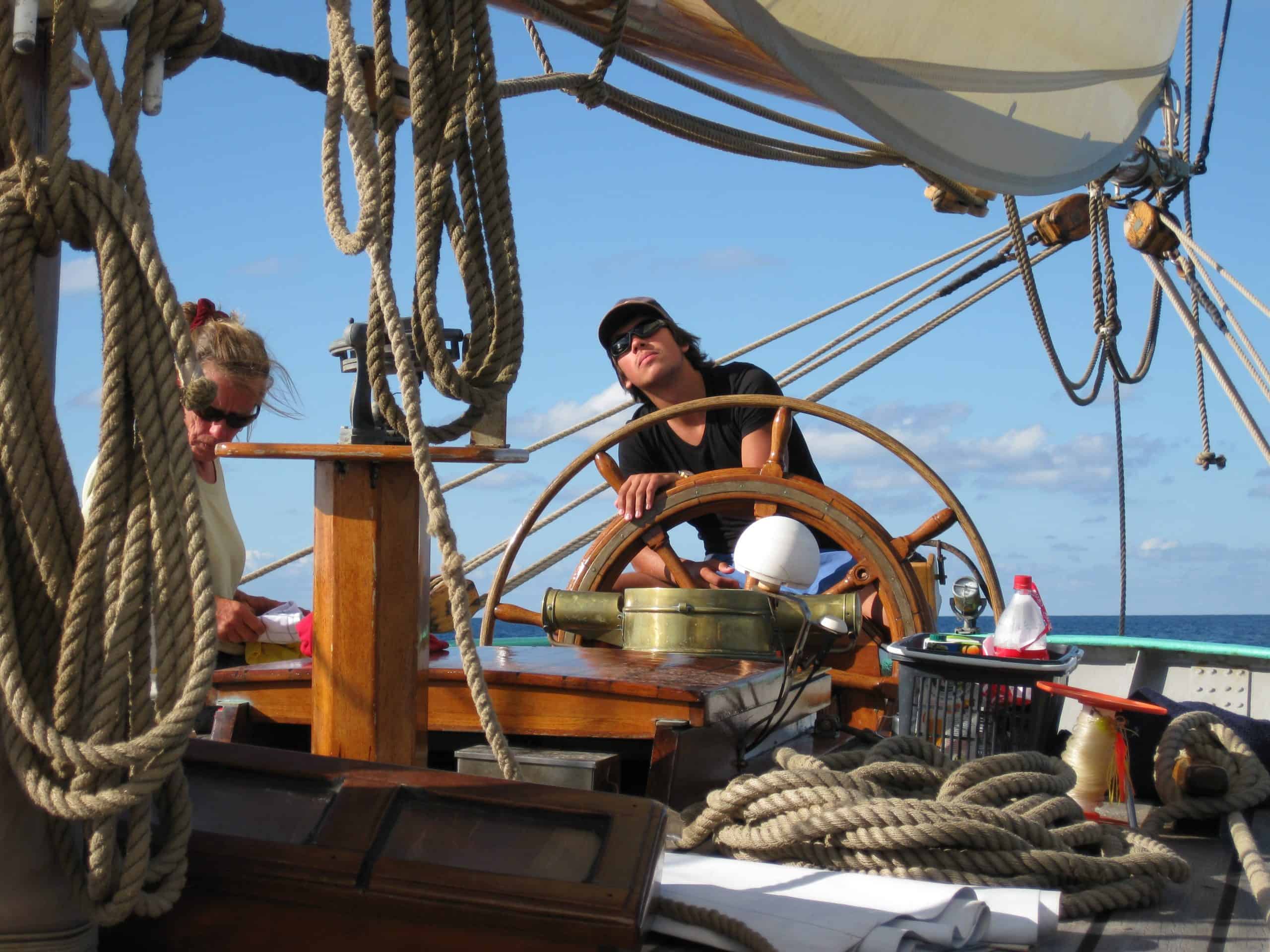
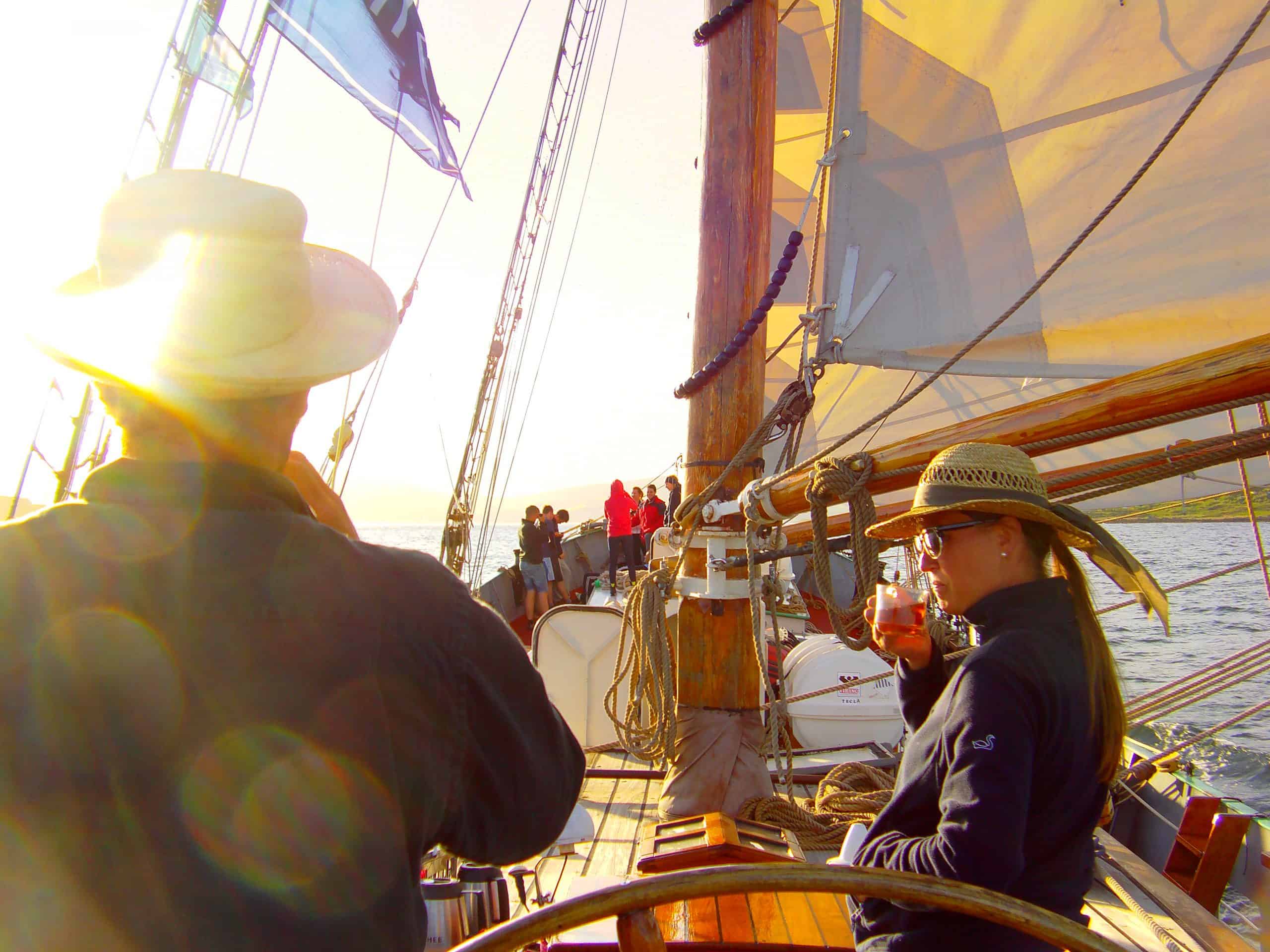
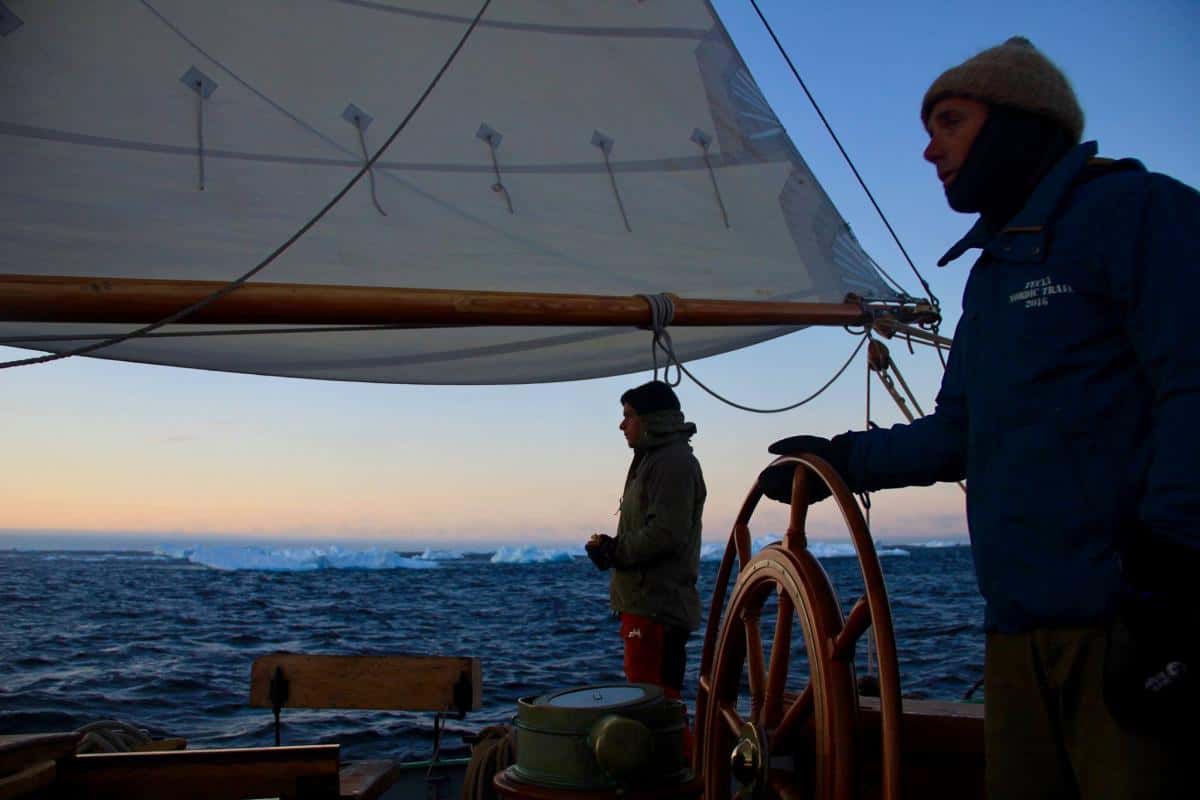
Life aboard Tecla quickly develops its own rhythm as you settle into the watch system and daily routines of ocean sailing. You’ll take your turn at the helm, feeling the powerful vessel respond to your touch as she surges through the Atlantic swells. Learn to set and trim the canvas, working alongside experienced crew to get the best out of the wind. The professional crew are excellent teachers, patient and encouraging as they share their knowledge of navigation, seamanship, and the ways of the sea.
The ocean crossing itself is an immersive experience that few people ever encounter in our modern world. Days unfold with a timeless quality as you disconnect from the rush of daily life and attune yourself to the natural rhythms of wind, weather, and the movement of the vessel. Watch the sunrise paint the eastern horizon in brilliant colours, spend afternoons reading in a sheltered corner of the deck, and gather for communal meals where stories and laughter flow freely. The night watches hold a special magic, with darkness revealing the Milky Way in breathtaking clarity and bioluminescence sparkling in the bow wave. You might spot whales breaching, dolphins riding the bow wave, or seabirds that follow the ship for days, each sighting a reminder of the ocean’s abundant life.
Weather permitting, the itinerary follows a northeasterly course, though the captain will adapt the route to make best use of wind and weather conditions to ensure a safe and timely passage. The changeable weather conditions provide excellent learning opportunities as the crew adjusts sail configurations and you gain practical experience in handling a traditional vessel through varied sea states.
As you grow closer to the United Kingdom and Ireland you leave the deep waters of the Atlantic Ocean and sail over the continental shelf that sailors call the Western Approaches. Your first sighting of land could be the Isles of Scilly, Fastnet or the Pembroke Peninsula of Wales. Who knows? It’s all part of the excitement of a landfall!
Now you are entering the Irish Sea with Wales to the East and Ireland to the west, somewhere there is also the Isle of Man. Next on your way is the St Georges Channel where Northern Ireland nearly meets Scotland. The skipper will be looking to catch the strong north going tide before it sets against you.#
The towering peaks of the Scottish Highlands are now all around you as their dramatic profiles create one of Britain’s most spectacular coastlines. Sail though the Western Isles and the Minches before Tecla navigates through the entrance to Loch Broom, a sea loch that cuts deep into the mountainous landscape, its shores rising steeply from the water’s edge as you finally arrive in harbour at Ullapool.
Your arrival in Ullapool marks the triumphant conclusion of your Atlantic crossing. This picturesque fishing village, laid out in a grid pattern by the British Fisheries Society in 1788, sits on a sheltered bay with stunning views across the loch to the mountains beyond. The white-washed buildings lining the waterfront create a welcoming sight after days at sea. As you secure Tecla alongside the harbour wall, there’s a profound sense of achievement that comes from having crossed an ocean by sail. Consider extending your stay to explore this gateway to the Scottish Highlands. Walk the nearby Munros, visit the pristine beaches of the Outer Hebrides via the ferry from Ullapool, or simply enjoy the warm hospitality of the local pubs where you can share tales of your voyage over a dram of Highland whisky. The surrounding landscape offers countless hiking opportunities, from gentle coastal walks to challenging mountain climbs, all showcasing the raw beauty of northwest Scotland.
This voyage typically takes place in late spring or early summer when the North Atlantic weather patterns are most favorable for northward passages. During this season, you can expect moderate temperatures ranging from 15-20 degrees Celsius, though conditions can be variable and the Atlantic can present anything from calm seas to challenging weather that tests both vessel and crew. The longer daylight hours of the northern latitudes mean extended time on deck to enjoy the sailing. All itineraries are subject to weather conditions and the captain’s judgment, as safety and the wellbeing of all aboard remain the primary considerations. However, the start and end port dates and times are fixed elements of the voyage.
Whether you’re an experienced sailor seeking an ocean passage or a newcomer eager to learn traditional seamanship, this voyage aboard Tecla offers an unparalleled adventure. The combination of serious offshore sailing, genuine crew participation, and the timeless beauty of a classic vessel creates memories that last a lifetime.


No previous sailing experience is required for the Azores to Ullapool passage on Tecla. The professional crew will teach you all necessary skills, from basic rope handling to helmsmanship and sail setting. Experienced sailors are equally welcome and will have opportunities to develop their offshore passage-making skills. Everyone participates according to their ability and comfort level, with the crew ensuring all guests feel confident and engaged throughout the voyage.
The passage from the Azores to Ullapool covers approximately 1,300 nautical miles and typically takes 14 days depending on weather and wind conditions. You will spend all nights aboard at sea during this ocean crossing, making it a true blue-water sailing experience. The exact duration can vary as the captain will choose the most favorable route and may adjust speed to ensure comfortable sailing conditions.
See our article on Ocean Passages
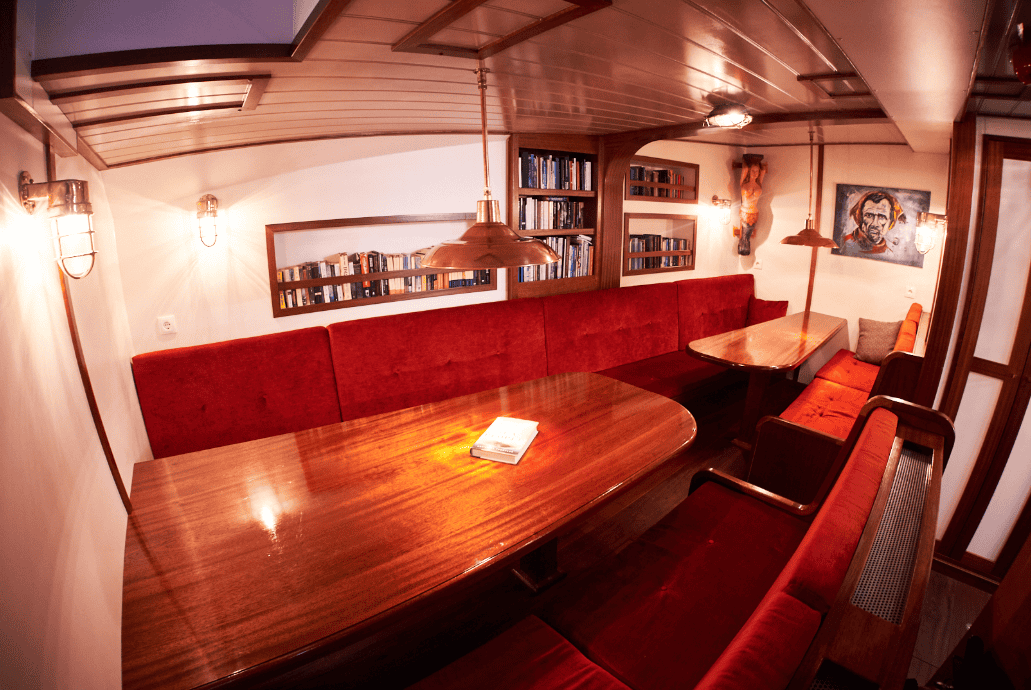
Tecla accommodates up to 12 guests in comfortable twin ensuite cabins below deck. Each cabin has its own private bathroom facilities, and berths are equipped with reading lights and storage for personal belongings. The main saloon serves as a communal gathering space for meals, relaxation, and socializing. While traditional in character, the ship meets modern safety standards and provides a cozy, atmospheric environment for your ocean passage.
The crew operates on a watch system, typically rotating every 4 hours, which ensures the vessel is always properly crewed day and night. You’ll be assigned to a watch team and will participate in steering, lookout duties, and sail handling under the guidance of professional crew members. Between watches, you’ll have time for rest, reading, and enjoying life aboard. Meals are served at set times and everyone gathers in the saloon, creating a strong sense of community. The rhythm of watch-keeping creates a unique experience of timelessness and connection to traditional seafaring.
Pack layers of warm, waterproof clothing as North Atlantic weather can be changeable and cooler than the Azores, especially as you sail north. Essential items include waterproof jacket and trousers, warm fleece or woolens, non-slip deck shoes, sun protection, and personal toiletries. The vessel provides safety equipment including harnesses and lifejackets. Late spring and early summer offer the most favorable conditions with moderate temperatures and longer daylight hours, though you should be prepared for potential rain and variable winds. A detailed packing list is shown below.

On a sailing voyage we never use the word itinerary, as skippers will always be aiming for the best and safest sailing routes for the forecast. They are as keen as you to include some of the highlights described above, but when it comes to sailing, you have to go with Mother Nature, not fight her. The description provided is based on what we think might be possible, based on past trips, or prior experience, but nothing is guaranteed on a sailing voyage. As such, the scheduled joining ports, routes, activities and/or destinations may be altered. Due to the complexities of weather systems, this may be at very short notice.
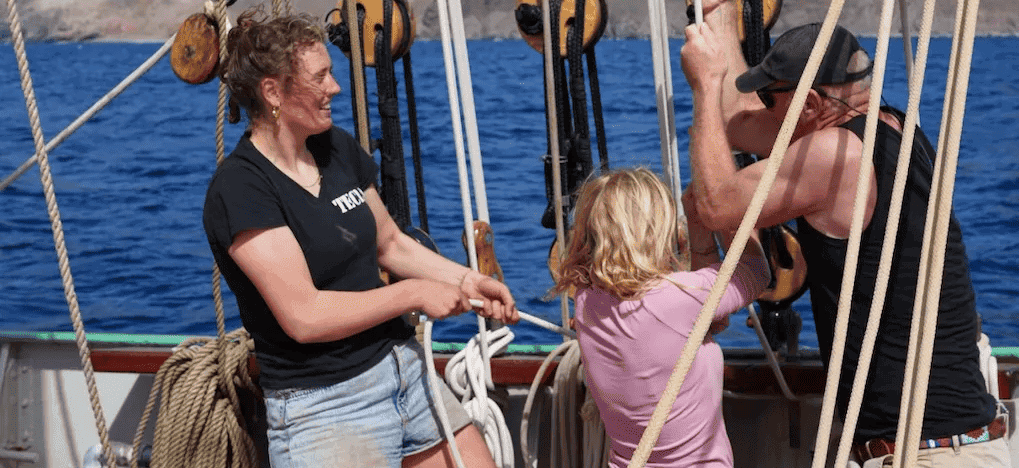
Whether you are an experienced sailor or a complete beginner, the professional crew will train you to be guest crew from the moment you arrive, with the intention that everybody works together to sail the ship. The common thread to all Classic Sailing holidays is ‘Hands on’ participation on ships that use ropes, blocks and tackles and ‘people power’ to set sail. Handling cargo adds an extra dimension – building teamwork and communication skills and leaving you with a great sense of achievement.
We cater for a wide range of ages and physical abilities and how much you are expected to do varies a bit between vessels. See the vessel tab above which explains all about the ‘sailing style’ and what to expect in terms of hands on participation. There is a lot of information about day to day life, the ships facilities and accommodation on the vessel pages.
Visit the Horta Museum to delve into the island’s rich maritime past. Peter Café Sport is also worth a visit; it has been serving sailors for more than 100 years.
The marina in Horta is a key stopping point for transatlantic yachts. One unique feature is the sailor’s tradition of painting a mural on the marina wall before setting sail again. It gives Horta a communal feel that’s quite special.
Horta also offers stunning natural beauty. From hiking trails to volcanic landscapes and whale watching, there’s plenty for outdoor enthusiasts to explore. If you can extend your stay here, make the most of it with guidance from the Azores visitors’ site.
For Joining any vessel, head to the harbour where your ship will more than likely be the only sailing vessel. Address: The Pier, Ullapool IV26 2UH
As a base for starting a sailing holiday, Ullapool rewards those who take the trouble to travel this far North. On the entrance to Loch Broom are the Summer Isles and if you head out West you come to the Shiant Islands before your reach Harris and Lewis. From here, it is a relatively short hop to St Kilda, or the Flannan Isles. The sailing grounds are virtually empty and in June it feels like the sun hardly sets. At nearly N 58 degrees latitude Ullapool is further North than Moscow. Its a long way up from Edinburgh, but not as difficult to get to as you might think.
Ullapool is nestled on the shores of Loch Broom. Whatever the weather, you are immediately struck by Ullapool’s whiteness and by its regularity of design and layout. This is a legacy of the town’s origins, being designed and built in 1788 by Thomas Telford and the British Fisheries Society to exploit a boom in herring fishing at the time.
The town is also the main terminus for the car and passenger ferry to Stornoway on the Isle of Lewis. The ferry operates seven days per week so all the public transport to Ullapool is good and there are plenty of accommodation options in the town.
As a base for exploring the north west of Scotland, Ullapool is ideal. It has accommodation to suit all tastes and pockets, including one of the best (and best located) campsites in this part of Scotland. And since the upgrading of most of the roads further north it is within reasonable reach of many parts of the region that twenty-five years ago would have needed a major expedition to reach.
Ullapool offers some very nice pubs, including the Ferry Boat Inn. It also has a range of shops from the smallest right up to a well-stocked supermarket: anyone on a self catering holiday is sure to be visiting the latter at some point during their stay.
For those wanting to know more about the area the excellent Ullapool Museum & Visitor Centre on West Argyle Street can be highly recommended. This is in the old parish church, and tells the story of the people of Loch Broom and the history of Ullapool.
Getting to Ullapool
To travel from South East England to Ullapool in Scotland using a combination of public transport and planes, you can follow these steps:
1. **Train or Bus from South East England to a Major Airport**: Start your journey by taking a train or bus from South East England (e.g., London) to a major airport with flights to Inverness, the closest airport to Ullapool. Airports in London, such as Heathrow, Gatwick, or London City Airport, offer flights to Inverness. Check the flight schedules and choose the most convenient option for you.
2. **Flight to Inverness**: Book a flight from the chosen airport in South East England to Inverness. Flight durations may vary, but it generally takes around 1.5 to 2 hours to fly from London to Inverness.
3. **Travel from Inverness to Ullapool**: After arriving at Inverness airport, you can continue your journey to Ullapool using public transport options.
– **Bus**: Take a bus from Inverness airport to Inverness city center. From there, you can catch the Stagecoach service 61 bus, which operates between Inverness and Ullapool. The journey takes approximately 1.5 to 2 hours, depending on traffic and stops.
– **Taxi**: Alternatively, you can take a taxi from Inverness airport directly to Ullapool. This option is more expensive but offers convenience and a faster journey time.
It’s essential to check the flight and bus schedules in advance, as they may vary based on the day of the week and season. Plan your connections carefully to ensure a smooth journey, and consider leaving some extra time for any potential delays or unforeseen circumstances.
By selecting sustainable travel options and actively participating in carbon offset initiatives, you can make a positive impact while journeying to or from your voyage.
Here are some suggestions for carbon offset websites.
UK: One popular carbon offset website in the UK is “Clear” who offer a range of carbon offset projects and solutions for individuals, businesses, and organisations. They provide detailed information about their projects and allow users to calculate and offset their carbon footprint online.
North America: In North America, “Terrapass” is a well-known carbon offset website. Terrapass offers carbon offset projects across the United States and Canada. They provide options for individuals, businesses, and events to calculate and offset their carbon emissions. Terrapass also offers additional resources and information on sustainable living.
Europe: A popular carbon offset website in Europe is “MyClimate.” MyClimate provides carbon offset projects and solutions for individuals, businesses, and travel. They offer a carbon footprint calculator and allow users to support various sustainable projects worldwide. MyClimate focuses on promoting climate protection and sustainability.
Australia: “Greenfleet” is a prominent carbon offset website in Australia. Greenfleet focuses on planting native forests to offset carbon emissions. They offer individuals and businesses the opportunity to calculate and offset their carbon footprint by contributing to tree planting projects across Australia. Greenfleet provides detailed information about their projects and the positive environmental impacts they create.
Please note that these carbon offset websites may vary over time, so it is recommended to research and explore multiple options to find the most suitable one for your needs.
If any of these links do not work it would be kind of you to inform us, many thanks.
Not all sailing areas require the same gear, the same foul weather equipment or even the same shorts. But some items you must always bring. In this kit list we hope to give you a small insight in what to bring, but of course, please consider this list might not encumber all that you would wish to take!
Very important is that your bag or small suitcase needs to be stored in the room, under your bed, there is limited space – so bring a foldable bag! the following is Tecla's standard included/excluded and kit list. Below this you can find more specific info and kit lists dependant on sailing area.
When the ocean crossing is not part of the Southern Ocean sailing (so no South Georgia or Antarctica included) the crossings are usually in warm weather. Going from North to South, please be advised that the weather in the Falkland Islands is cool and wet! So also bring at
least one set of warm clothing.
If there are any items you usually take on your hikes, and they are easy to take in your luggage, don’t forget to bring them!
On the Falkland Islands, South Georgia and Antarctica there are different levels of Bio-Security we will have to comply with. To make it easy on yourself we recommend you bring one set of hiking gear that you would like to use on shore, that is completely cleaned at home. This means Velcro is cleaned and does not contain any seeds or pollen. Your pockets are empty of any seeds, pollen, sand etc. Your boots are cleaned, no sand or mud on them.
This way, getting ready for the first landing becomes a walk in the park. For more information on Bio Security, please contact us.
These surroundings can be very cold, especially on longer watches. And also because these areas are protected, we ask you to take at least two sets of wet weather gear, with one of them at least completely clean. If you have sailing gear, perfect, but also bring some light weight, waterproof hiking gear. We recommend goretex pro of any brand. This is tough and durable. Often easy to clean and light weight.
In the cold, making layers is important. If there is no rain, most 800gr down jackets with a merino wool layer underneath are warm enough. If it rains, most jackets do not fit over the down jacket. Therefore we recommend layer one merino wool, layer two a woollen sweater, layer three a thinner down jacket or wind stopper and layer four your water proof jacket.
Of course we understand that not everybody has these items in their closet. Please contact us if you are unsure what to pack.
Summer in the Northern Territories of Canada can be cold, but they can be beautiful and warm as well. During the 2019 voyage we have had days of 2 degrees and days of 19 degrees. We had nights of 0 degrees, but also nights with a warm land breeze, where a woollen sweater and merino under layer were enough.
I have sailed with the Tecla several times, from harbour hopping along the north coast of Scotland, to fjord hopping around Iceland, to an open ocean voyage from Ullapool to Tenerife. These have been among the greatest experiences of my life and far exceeded my expectations... I have told Jet and Gijs that I think the stern area of the Tecla is the happiest place on Earth!
Richard
This trip fulfilled my desire for adventure sailing as we transited the north coast of Iceland, along the Arctic Circle. Even though it was rough, the boat and crew performed admirably.
Bruce
An enjoyable week in less than ideal weather conditions. The crew were competent and friendly, the catering excellent. I wouldn't hesitate to recommend a voyage on Tecla.
Jonathan
A great mix of sailing in Scottish waters, some super hikes and an opportunity to see some of the immensely important historical sites in the Orkneys and Sheltands.
Mooring alongside in the Fair Isles was a great privilege.
The ocean passage to the Faroes was quiet but as a result we were blessed with clear skies whilst slinking in and out of the islands and some of the best coastal views one could hope to see anywhere.
The ocean passage to Iceland was a bit of a bimble until we were 60 miles off and then it got exciting. Thanks to a great skipper and permanent crew we snuggled into a fjord whilst the cruise ship ran aground in Reykjavik harbour. A good holiday, an adventure and fun.
K
Any initial doubts as to the number and experience of the crew were very quickly dispelled and we were impressed with the knowledge and the handling skills of the skipper and the 2 mates. Every opportunity was taken to enhance our enjoyment on both voyages and at every stage we were made to feel relaxed and under no obligation to crew the ship under sometimes testing (but enjoyable) conditions. As an observation, we must congratulate the skipper for her culinary skills under difficult conditions..........the food was perfect for the voyage.
Geoff
A delight. A competent and engaging professional crew, an interesting voyage with some challenges and some great rewards. Good companions to make the log spin around.
Mike
Brilliant. I would do it again tomorrow. And good value too. The food was excellent. I loved the spicy meatballs and my wife loved the fresh langoustines.
Steve
Most enjoyable classic sailing with great food, a true sense of teamwork, great guidance and a good sense of humour. Can't get any better.
Thomas
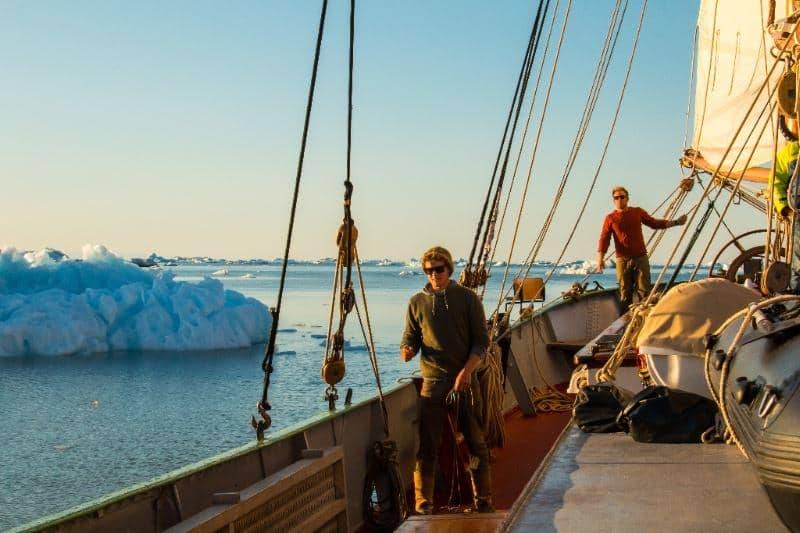
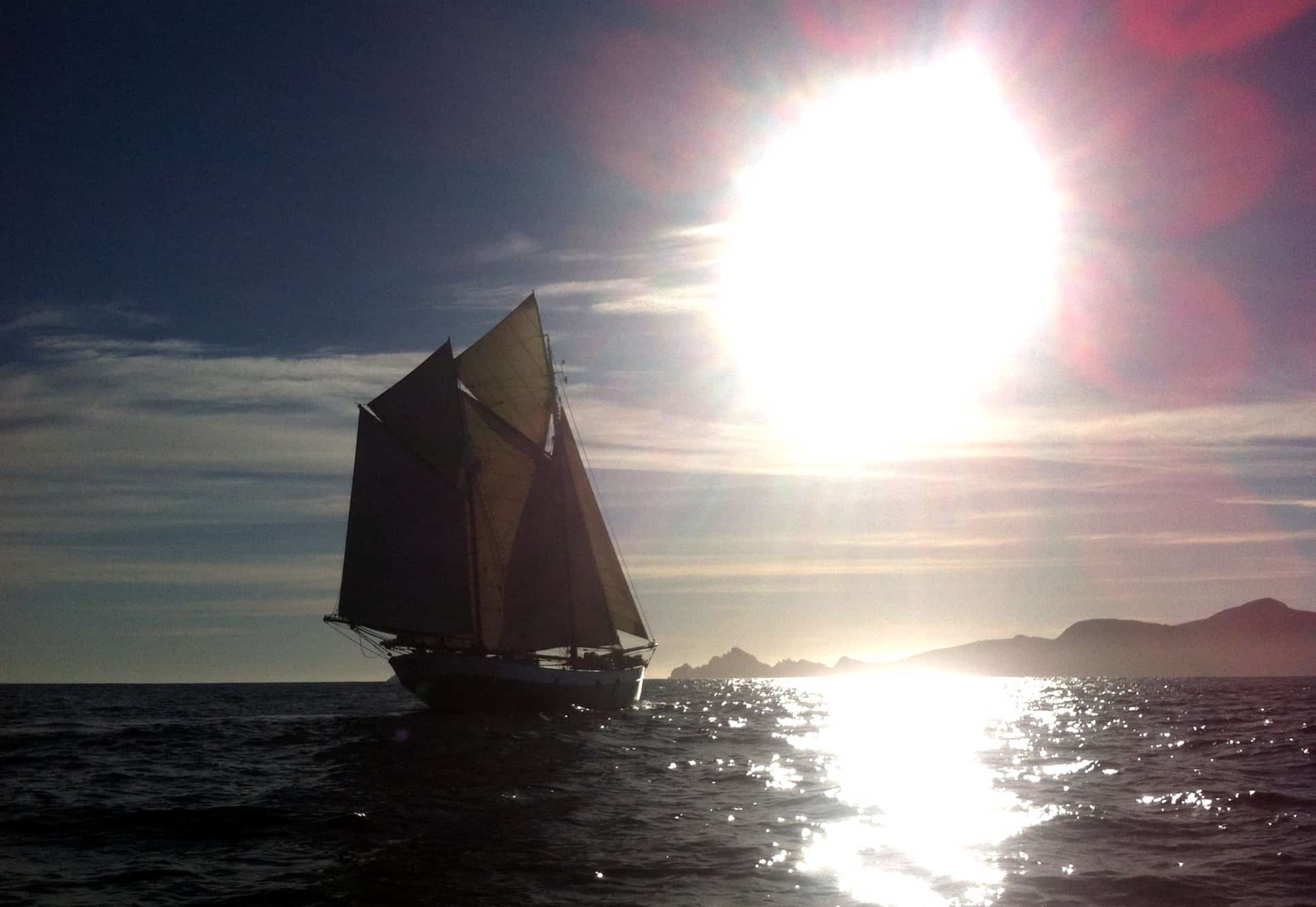
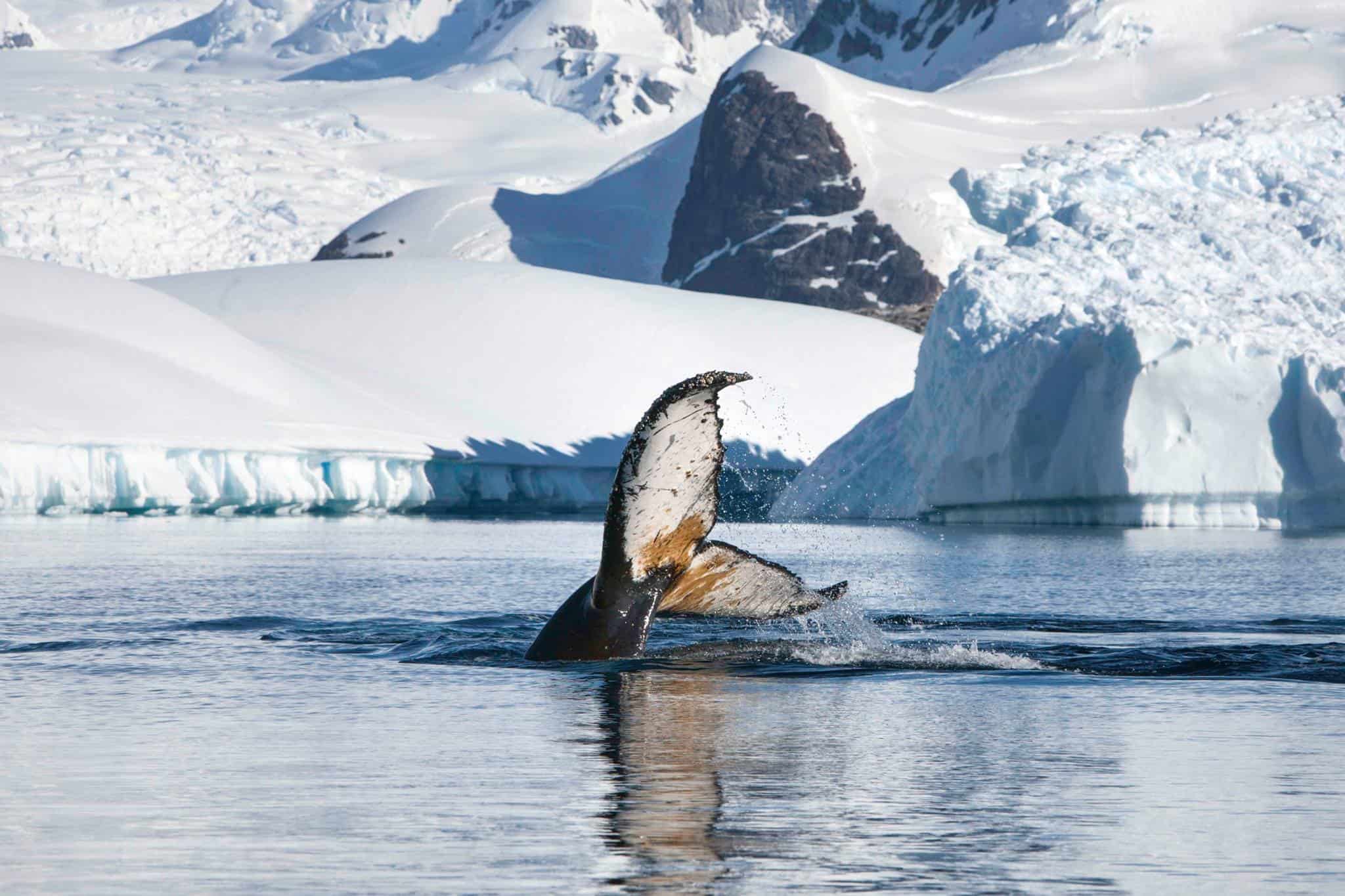
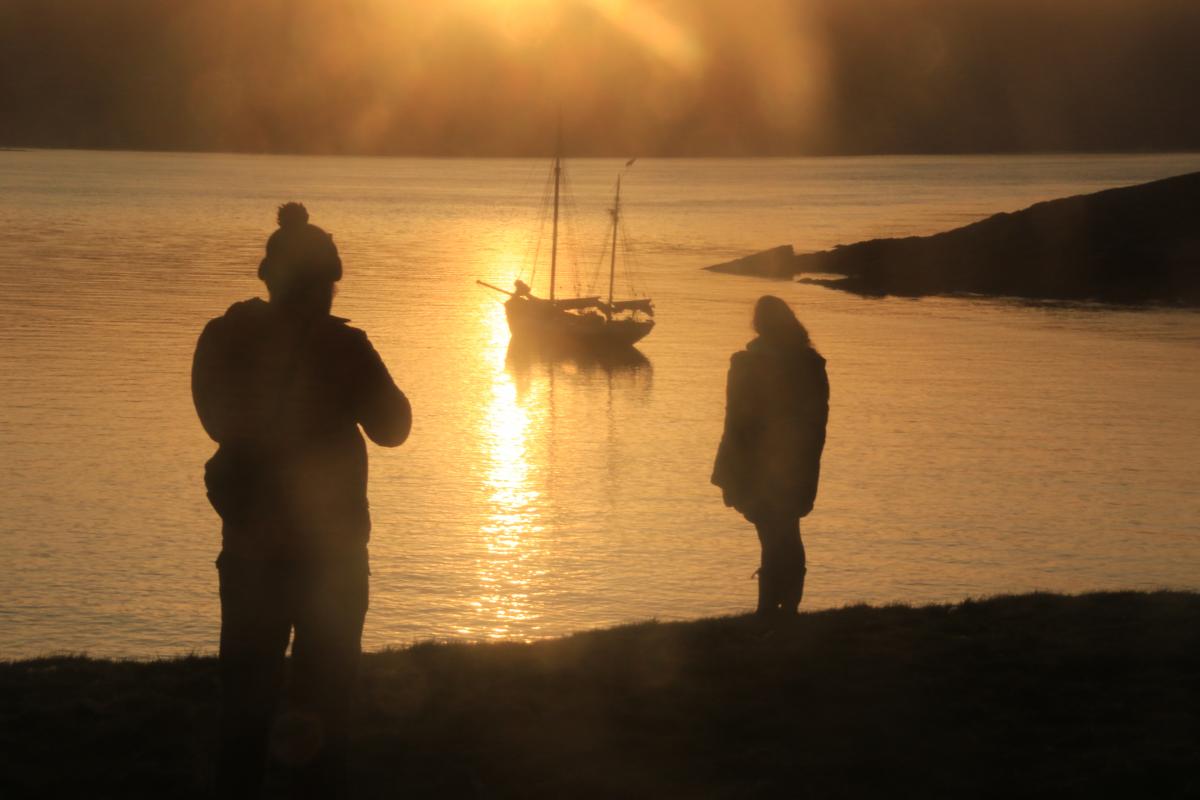
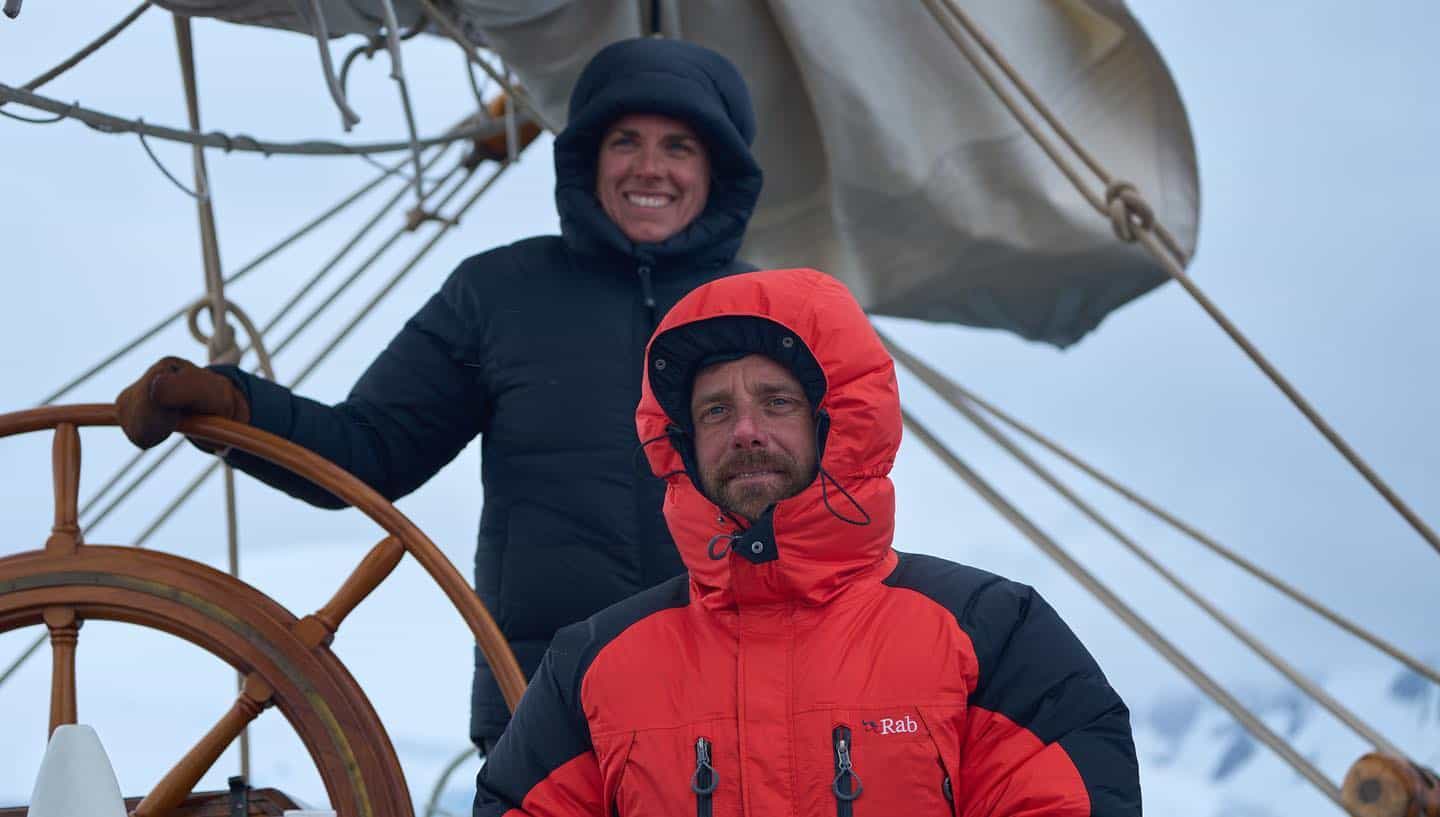
Globe trotting Tall Ship Tecla in action and images. This historic gaff ketch is our Polar Specialist, with expeditions to Antarctica and through the Northwest Passage, but she also has fantastic voyages in sunnier climes. Photos from Classic Sailing customers, ships crew and professional photographers. We hope it gives a flavour of her sailing, life on board, the people that come, her beautiful sailing grounds and what it is like to live below decks.








For daily tall ship news and voyage updates, follow Classic Sailing on Facebook — over 64,000 sailors already do.
facebook.com/ClassicSailing
Patagonia to the Equatorial Galapagos TC110426
Embark
Sat 11-04-2026
Puerto Montt, Chile
Disembark
Fri 15-05-2026
Santa Cruz, Galapagos

From
€6300
Sail Between Iconic Pacific Islands TC170526
Embark
Sun 17-05-2026
Santa Cruz, Galapagos
Disembark
Sun 07-06-2026
Easter Island

From
€4455
Sail from Easter Island to Tahiti on Tecla TC090626
Embark
Tue 09-06-2026
Easter Island
Disembark
Wed 08-07-2026
Papeete, Tahiti

From
€7800
Recently Viewed Voyages
Horta to Ullapool TC220427
Embark
Thu 22-04-2027
Horta, on Ilha do Faial, Azores
Disembark
Thu 06-05-2027
Ullapool, Scotland

From
€3420.00