
Don’t enjoy just one Canary Island when you can enjoy sailing from one to another. The journey is part of the adventure and you carry your home with you!
The Canaries have some common aspects, warm winters, plenty of sunshine and great sailing, but the differences between the east and west are very pronounced.

The Eastern Islands
Lanzarote and Fuerteventura are the driest of the islands and famous for wind surfing and near desert highlands.
In the Middle is Gran Canaria
Gran Canaria’s climate is quite diverse, due to its central mountain range.
Western Isles
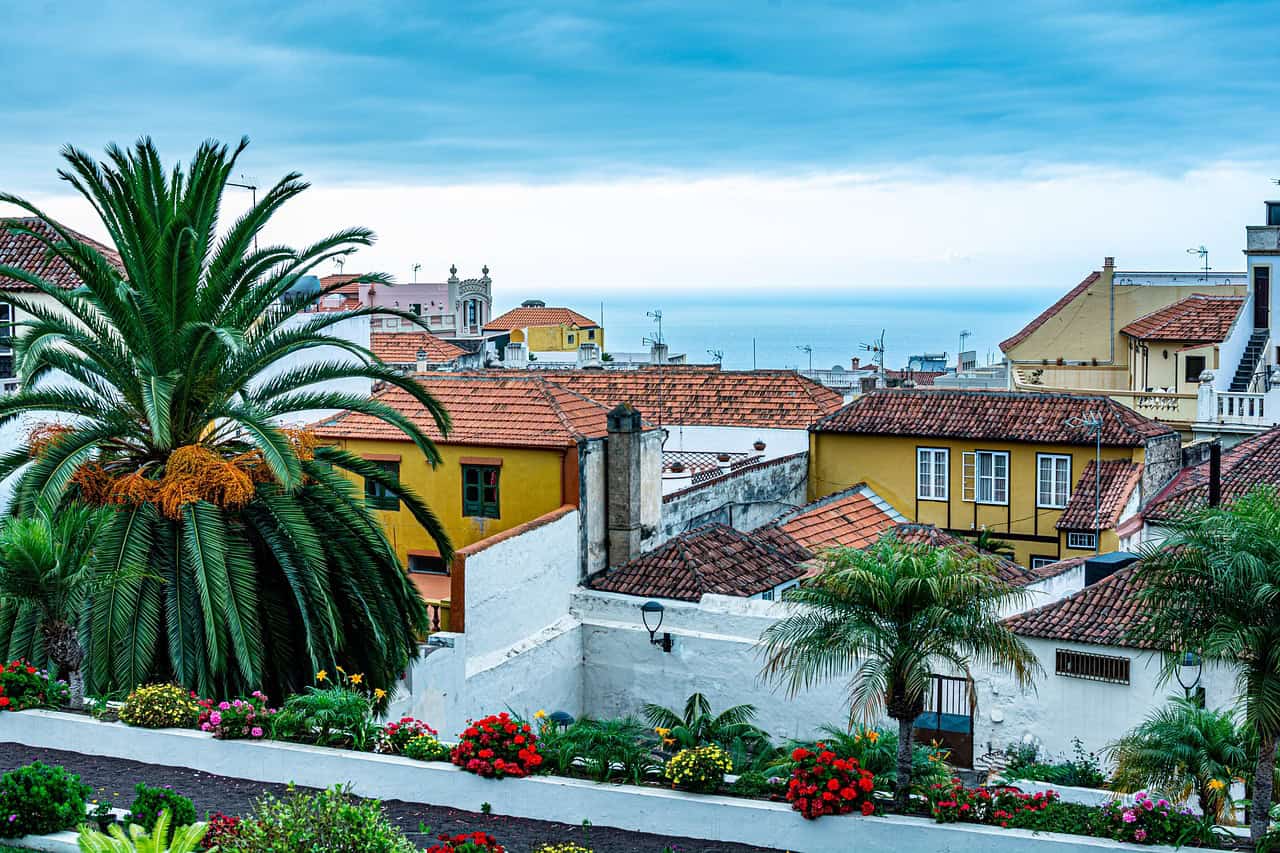
Tenerife is a fascinating island with forests and great walking. Has the highest mountain in Europe Mt Tide and often with a snow capped peak. Always popular with tourists but it is easy to get away from the crowded beach resorts.
Gomera is circular and effectively just one big hill, with all the villages hanging off the edges or squeezed into the valleys.
La Palma is lush with vegetation and near great whale and dolphin spotting areas.
El Hierro, the smallest of the islands and where Columbus set off to discover America. America was not lost it had always been there, Columbus was just the first European to have recorded his voyage there and back.
.
Why sail between the Canary Islands rather than staying on one? Sailing lets you enjoy multiple islands rather than being stuck in one location. The journey becomes part of the adventure as you carry your home with you between islands. Each island has distinct character: dry desert highlands in the East (Lanzarote, Fuerteventura), diverse climates in Gran Canaria, lush forests and mountains in Tenerife, circular Gomera, vegetable-rich La Palma, and historic El Hierro where Columbus set off for America.
Do I need sailing experience for the Canaries? No previous sailing experience is required. The Canaries offer warm winters, plenty of sunshine, and great sailing conditions perfect for learning. Professional crews will teach you sail handling, navigation, and watch-keeping while island hopping. Whether you’re a complete beginner or experienced sailor, the reliable weather and varied sailing make the Canaries an ideal destination for all abilities.
What’s the weather like in the Canary Islands? The Canaries enjoy warm winters with plenty of sunshine, making them popular year-round sailing destinations. The Eastern Islands (Lanzarote and Fuerteventura) are driest, famous for windsurfing and near-desert conditions. Gran Canaria has diverse microclimates due to its central mountains. The Western Islands (Tenerife, Gomera, La Palma) are lusher with more vegetation. Overall, expect reliable sunshine, warm temperatures, and great sailing winds.
What can I see and do on the Canary Islands? Each island offers unique experiences. Tenerife boasts Mt Teide (Europe’s highest mountain often snow-capped), forests, and great walking away from beach resorts. The dry eastern islands are perfect for windsurfing and desert landscapes. Gomera is circular with villages clinging to hillsides. La Palma is lush with excellent whale and dolphin spotting areas. You’ll find clear waters for swimming, fascinating volcanic landscapes, and authentic island culture throughout.
How long are typical Canary Islands voyages? Canary Islands voyages vary from weekend sails exploring one or two islands to longer 7-14 day adventures island hopping across the archipelago. Some voyages use the Canaries as a starting point for Trans-Atlantic crossings or as a stop on longer ocean passages. The mild climate and proximity between islands make them perfect for both short breaks and extended sailing holidays.