
Antarctica is the ultimate sailing adventure. This is expedition sailing at its most authentic – crossing the Drake Passage, navigating ice-filled channels, and anchoring beside glaciers that calve into the Southern Ocean and the Weddell Sea. Antarctica sailing holidays on a traditional tall ship like Tecla means you’re the active crew, not a passenger watching from behind glass. You’ll stand ice watches, help trim sails, and experience the white continent as the polar explorers did – except with better clothing and heated cabins.
The Antarctic Peninsula offers world-class wildlife encounters: humpback and minke whales surface alongside the ship, leopard seals patrol ice floes, and penguin colonies number in the thousands. Add South Georgia – often called the ‘Serengeti of the Southern Ocean’ – and you’ll witness king penguin colonies of 100,000 birds, elephant seals, and albatross nesting sites. The landscapes are on a scale that photographs can’t capture: towering ice cliffs, mountains rising straight from the sea, and icebergs the size of buildings drifting silently past.
📍 Location: Antarctic Peninsula & South Georgia
🌡️ Temperature: -2°C to +8°C in summer
💨 Conditions: Variable winds, ice navigation
🗓️ Best Season: November-March (austral summer)
⛵ Ship: Tecla (two-masted schooner)
💰 Price: From €10,800
✈️ Gateway: Via Ushuaia (Argentina) or Falklands
⏱️ Voyage Length: 27-40 days typical
.

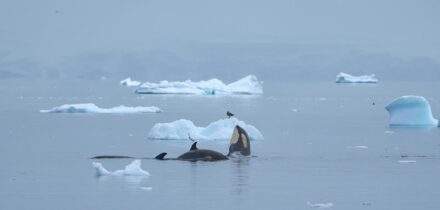

The Antarctic sailing season runs November to March – the austral summer when 24-hour daylight, relatively warmer temperatures, and accessible ice conditions make voyages possible.
Early season (November-December) offers pristine snow landscapes and active penguin breeding. Mid-season (January) brings peak whale watching as krill blooms attract feeding whales. The best option is to pick a voyage from the Falklands to South Georgia and onto Antarctica and back to South America. I, Adam, can personally vouch for this. Debbie and I would do this time and time again if we could afford both the time and the money.
Late season (February-March) offers whale watching at its best, penguin chicks fledging, and the possibility of witnessing the aurora australis. Not so common but a 54 day voyage from South America, to Antarctica, South Georgia and with luck Tristan da Cunha to South Africa is everything you could wish for. You guessed it, Adam, has been there, got the T-Shirt, made the video and might write the book!
Antarctica sailing holidays all include the legendary Drake Passage crossing – 500 miles of open Southern Ocean between Cape Horn and the Antarctic Peninsula. If you are lucky you might get to see Cape Horn itself, Debbie has even been ashore there. It’s a true sea passage that demands respect, and aboard Tecla you’ll experience it as the explorers did, working as crew rather than sitting idle below deck. Conditions vary from dead calm to challenging seas, but this is what makes Antarctica special – you’ve earned it. On any crossing you will see albatross, Cape Petrels, and probably whales.
South Georgia adds another dimension to Antarctic voyages. This island, 800 miles east of the Falklands, was Shackleton’s salvation and remains one of Earth’s premier wildlife destinations. King penguin colonies cover beaches, elephant seals haul out in thousands, and the mountains rise to 3,000 metres. You can visit Shackleton’s grave at Grytviken whaling station and walk in the footsteps of his incredible crossing of the island. The scale of the derelict whaling stations is scary but the good news is that the rats and reindeer introduced by the whalers have been removed and the natural wildlife is reestablishing itself quickly.
Wildlife
Antarctica offers penguins (seven species including Emperor, King, Gentoo, Chinstrap), multiple whale species, leopard and Weddell seals, and abundant seabirds. The Arctic has polar bears, walrus, Arctic fox, reindeer, and different seabird species. Both are spectacular, but Antarctica’s wildlife is more abundant and easier to approach within strict bounds set up to protect the wildlife.
Landscape
Antarctica presents massive ice shelves, towering glaciers, and mountains rising 3,000+ metres from the sea – everything on a vast scale. The Arctic (particularly Svalbard) offers dramatic peaks, glaciers, and fjords but in a more accessible, less extreme environment.
Remoteness
Antarctica is truly remote – you’re further from civilization than anywhere else on Earth. Medical evacuation takes days so care is taken to ensure your health is not a potential problem. The Arctic is less remote but with settlements, infrastructure, and generally shorter rescue times.
Sailing Conditions
Antarctica involves the Drake Passage crossing (500+ miles of Southern Ocean) and longer passages but with frequent stops on the Peninsula and in South Georgia. Arctic sailing offers shorter passages between anchorages and generally more sheltered waters.
Cost and Time
Antarctica requires 27-40 days and flights to South America (£600-1,000+). Arctic voyages are typically 10-14 days with cheaper flights to Scandinavia (£200-400). Antarctica is a bigger commitment in every way. (Prices approx for 2026)
Season Length
Antarctica’s season is short (November-March) due to extreme conditions and a longer time to get to it and back again. The Arctic season is longer (May-September) with more voyage options.
Light Conditions
Both offer 24-hour daylight in summer. Antarctica’s late season (Feb-March) brings the aurora australis. The Arctic’s early and late season offer aurora borealis.
Bottom Line
Choose Antarctica if you want the ultimate expedition, maximum remoteness, penguin encounters, and don’t mind a major time and cost commitment. Choose the Arctic if you prefer shorter voyages, polar bears, lower costs, and more voyage timing options.


On Tecla you’re part of the crew, not a passenger. You’ll stand watches, help with sail handling, and participate in all aspects of running the ship.
Zodiac Excursions and Shore Landings
Zodiac excursions are central to Antarctica sailing holidays. These sturdy inflatable boats allow access to places the ship cannot reach – narrow channels between icebergs, shallow penguin beaches, and tucked-away coves where seals haul out.
Daily zodiac operations include shore landings at penguin colonies, visits to research stations, and cruising among ice floes to photograph seals and whales. Wet landings mean stepping into shallow water (waterproof boots essential), but this direct contact with Antarctica is part of the authentic experience.
Encountering the smell of 100,000 penguins is memorable but you quickly get used to it! Cruise ships carry 50-200 passengers who watch from observation decks. Not you – you’ll be on deck working the ship in all conditions and going ashore to all the best places. Your Antarctic experience is earned through participation.
Zodiac cruises often provide the closest wildlife encounters. Whales surface alongside, penguins porpoise through the water nearby, and leopard seals watch from ice floes. The zodiacs are quiet enough that you can hear the ice crackling and penguins calling across the water.
Antarctica sailing holidays on Tecla include experienced expedition leaders who provide context to everything you encounter. Daily briefings cover wildlife identification, Antarctic Treaty protocols, weather patterns, and the region’s extraordinary exploration history. Evening presentations might cover penguin breeding cycles, glaciology, or Shackleton’s incredible survival story.
The ship’s crew includes qualified polar guides who lead all shore excursions and zodiac operations. They’re trained in Antarctic wildlife protocols, first aid, and emergency procedures. Their knowledge transforms sightings into understanding – you’ll learn to identify whale species by their blow patterns, read ice conditions, and understand the geology that created this landscape.
The Sound of Silence
Antarctica sailing holidays are renowned for the quietness and slower pace. Cruise ships chug about between landing sites on tight schedules, sailing ships move with the wind and ice conditions, you only hear the wind, waves and wildlife. You might spend hours navigating an ice field or sailing near a glacier face in silence and serenity – these are the moments cruise passengers miss.
Group size matters enormously. Tecla carries 12 guest crew plus professional crew – intimate enough that everyone knows everyone. Antarctic Treaty protocols limit shore landings to 100 people at once, so cruise ships must rotate groups. On Tecla, the whole crew goes ashore together for longer, more meaningful visits.
The approach to wildlife is different. Under sail, you’re quieter and less intrusive. Whales often approach the ship out of curiosity. The lack of engine noise means you hear the ice cracking, seals calling, and penguins braying across the water.
Cost reflects the experience. Cruise ships start around £5,000-8,000 for basic trips. Tecla’s voyages cost €10,800-13,140 but include the Drake Passage crossing, South Georgia, and active participation in a traditional sailing expedition. You’re paying for authenticity, not luxury. (Prices approx for 2026)
Enquire about Antarctica Voyages.
No sailing experience is required on Antarctica Sailing holidays . The professional crew will teach you everything needed, from basic sail handling to ice watches. However, Antarctica demands more than other destinations. You should be physically fit, comfortable with challenging conditions, and prepared for cold, wet weather on deck for extended periods. See this article on Preparing for Cold Weather Sailing.
The Drake Passage can be rough – if you’re prone to severe seasickness, consider this carefully. That said, being active crew and staying busy on deck often helps with seasickness compared to sitting below deck as a passenger. On a short voyage it is possible to stay on deck which can help but when crossing Drakes Passage this is not an option, it is too long and too cold.
You need to be capable of climbing ladders between decks, getting in and out of the tender (zodiac), and wet landings on rocky shores. Some shore excursions involve walks over uneven, icy terrain. Age is less important than fitness and attitude, there may be age limitations to ensure you and the crew mixture are capable of coping – we’ve had 70-year-olds thrive and 30-year-olds struggle.
What matters most is enthusiasm, teamwork, and flexibility. Antarctic weather and ice conditions change constantly, so itineraries adapt accordingly. The best crew members embrace the unexpected and work together to make the voyage succeed.
Safety ashore
All shore parties are fully equipped with a survival kit per person and duplicate communication devices. I have been caught in a blizzard whilst ashore, I may be crazy but I absolutely loved it, I knew where I and the ship was, that getting back onboard was proceeding according to plan and as long as I did not wander off all would be well. Clearly it was all good or I would not be here to tell you about it!
Safety & Predators
Antarctica has no land predators – you can walk among penguin colonies without armed guards, but do keep away from mother seals and their young. The Antarctic Treaty protects all wildlife, and protocols ensure safe, non-invasive encounters. The Arctic requires constant vigilance for polar bears – all shore parties carry firearms and flares. This makes Antarctic shore excursions more relaxed and accessible.


Wildlife encounters are exceptional. Penguin colonies include Gentoo, Chinstrap, and if you reach South Georgia, King penguins in colonies of 100,000+. Whale sightings are common – humpbacks, minke, and occasionally orcas. Leopard seals hunt along ice edges, Weddell seals lounge on floes, and on South Georgia, elephant seals haul out in thousands.
Shore landings take you to historic sites, research stations, and pristine wilderness. You might visit an active science base, walk to a penguin colony, or stand at an abandoned whaling station. Every landing is weather-dependent and follows strict Antarctic Treaty protocols.
Ice navigation is thrilling. You’ll help guide the ship through ice-filled channels, watch for bergy bits and growlers, and experience the eerie silence when the ship is surrounded by pack ice. Sailing past tabular icebergs – some the size of city blocks – is unforgettable.
Ship life includes watch keeping, sail handling, galley duties, and shared responsibilities. Evening gatherings might include wildlife presentations, expedition planning, or simply sharing the day’s experiences over drinks. The crew community becomes tight-knit over weeks at sea.
Photography opportunities are endless. The light is incredible – low angle sun creates dramatic shadows on ice, and 24-hour daylight means you can shoot at any time. Wildlife is approachable (within Treaty guidelines), and the landscapes are epic.
The Drake Passage is 500 miles of open Southern Ocean between Cape Horn and the Antarctic Peninsula. It’s the price of entry to Antarctica – there’s no other way to reach the peninsula by ship. Conditions vary from glassy calm (the “Drake Lake”) to challenging seas (the “Drake Shake”), but Tecla is a proven ocean-going vessel designed for these conditions.
The crossing typically takes 2-3 days depending on wind and sea state. You’ll stand watches, help with sail changes, and keep busy with ship duties – which helps with seasickness. Most people find that being active on deck beats sitting below deck feeling miserable. The length of watches may be adjusted to spend less time in the open and avoid getting cold – I got up to five layers including down jackets and double woolly socks.
Seabirds accompany the ship: wandering albatross with 3-metre wingspans, Cape Petrels, Antarctic prions, and others. Whale sightings are possible even in the Drake. The crossing isn’t comfortable for everyone, but it’s part of the authentic expedition experience – you’re sailing to Antarctica the way explorers did.
Seasickness affects most people to some degree. The crew provides advice on medications and coping strategies. Once you reach the Antarctic Peninsula and enter sheltered waters among the islands, conditions calm dramatically.
Antarctica sailing holidays start from €10,800 for a 27-day voyage in the 2025-2026 season, reaching €13,140 for 40-day expeditions including South Georgia. This includes all meals, accommodation aboard, participation in sailing the ship, shore landings, and zodiac operations. (Prices approx for 2026)
NOT included: Flights to/from South America (Ushuaia or Falklands – typically £600-1,000+ from UK), polar expedition gear hire if needed (waterproof outerwear, boots – some ships provide, check details), drinks at the bar, comprehensive travel and medical evacuation insurance (essential for Antarctica), and any hotel nights needed for flight connections.
Youth discounts (20% off for 18-25s) may be available on select voyages. Given the length and intensity of Antarctic expeditions, spaces are limited and you will need to book well in advance.
The cost reflects the reality of Antarctic expeditions: longer voyages, higher operating costs in extreme conditions, smaller crew numbers (better experience), and adherence to strict Antarctic Treaty protocols. This isn’t a luxury cruise – it’s an authentic expedition on a working tall ship.
The Antarctic sailing season runs November to March – the only period when conditions allow access to the peninsula. Each part of the season offers different experiences:
November-December (Early Season): Pristine snow and ice, penguin courtship and nesting, sea ice still extensive creating dramatic landscapes, fewer ships in Antarctic waters, longer daylight hours as summer begins. Temperatures -2°C to +3°C.
January (Peak Season): Penguin chicks hatching, warmest temperatures (+2°C to +8°C), most accessible ice conditions, peak whale feeding activity as krill blooms occur, long daylight hours (24 hours in far south), research stations most active.
February-March (Late Season): Best whale watching as whales feed intensively before migration, penguin chicks fledging and entering the water, possibility of aurora australis as nights return, dramatic ice breakup and calving events, fur seal pups on South Georgia. Temperatures -2°C to +5°C.
All these Antarctica sailing holidays represent authentic expedition sailing. Early season offers pristine conditions and fewer people. Peak season offers the easiest conditions and most active wildlife. Late season offers incredible whale encounters and the aurora. Choose based on what matters most to you.
For daily tall ship news and voyage updates, follow Classic Sailing on Facebook — over 65,000 sailors already do.
https://www.facebook.com/ClassicSailing
.