Rare Voyages: Traditional Tall Ship Holidays
I’ve never been on a cruise ship though more than 2 million Britons annually have; sad to say fewer than 10,000 experience the thrill of traditional tall ship holiday. They don’t know what they’re missing.
If you’re reading this, you’re probably among that rare group who understands the difference. These historic sailing vessels, working ships with decades or centuries of sea going heritage, offer something increasingly rare in modern travel: genuine participation in a centuries old maritime tradition that shaped Britain’s relationship with the sea.
What Can You Expect?
Traditional tall ship holidays combine hands on sailing with authentic maritime heritage. You join a small crew aboard historic vessels, learning traditional seamanship while exploring destinations from Arctic waters to remote Scottish islands. No previous sailing experience is required.
The Rarity Context
The numbers tell a compelling story. Across the UK, fewer than two dozen traditional tall ships and classic sailing vessels regularly carry paying guests. Globally, perhaps 200 vessels offer this type of experience for adults. Compare this to the hundreds of modern cruise ships that ply global waters, or the thousands of charter yachts available for holiday rental.
While cruise ships offer comfort and convenience to millions, traditional sailing vessels provide something distinctly different: active participation in the vessel’s operation, a small crew community, and connection to maritime skills that predate steam engines. On a tall ship, you haul lines to raise canvas, take turns at the helm, and share watches with a dozen fellow crew members. On a cruise ship, you’re a passenger. The experiences serve entirely different purposes, they look at the view, you and your ship make the view better.
The rarity extends beyond numbers. These vessels require constant maintenance by skilled craftspeople whose trades stretch back generations. Maintaining a tall ship afloat demands coppersmiths fashioning bronze fittings, shipwrights shaping oak frames, traditional riggers splicing hemp and wire, sailmakers stitching canvas by methods unchanged for 200 years, spar makers selecting timber for masts and yards, and metal workers forging ironwork to historical specifications. This shore based industry of traditional maritime trades keeps the vessels sailing, yet few people outside the maritime world know these skills still exist.
Classic Sailing offers courses that connect guests with these traditional skills, including boat building, sail making, ropework and woodwork programmes where you can learn the crafts that keep historic vessels alive. Understanding what goes into maintaining these ships deepens appreciation for sailing aboard them.

The Importance of Maritime Heritage Preservation
Britain’s maritime heritage isn’t locked behind museum glass. It’s still alive in working vessels that cross oceans, round headlands, and anchor in harbours just as their predecessors did. Britain’s maritime heritage isn’t locked behind museum glass. It’s still alive in working vessels that cross oceans, round headlands, and anchor in harbours just as their predecessors did. When you step aboard the 106 year old Santa Maria Manuela or the gaff rigged Provident, you’re experiencing traditional sailing aboard genuine historic vessels maintained to exacting standards, still doing what they were built to do.
Museums preserve objects. These ships preserve skills, knowledge, and traditions that can only survive through continued practice. The moment these vessels stop sailing, the accumulated wisdom of generations begins to fade. Public access maintains their cultural relevance and provides the income that keeps them operational.
In our own small way this is what excites Classic Sailing – keeping this amazing sailing culture alive and kicking.
Traditional Skills Keeping Alive
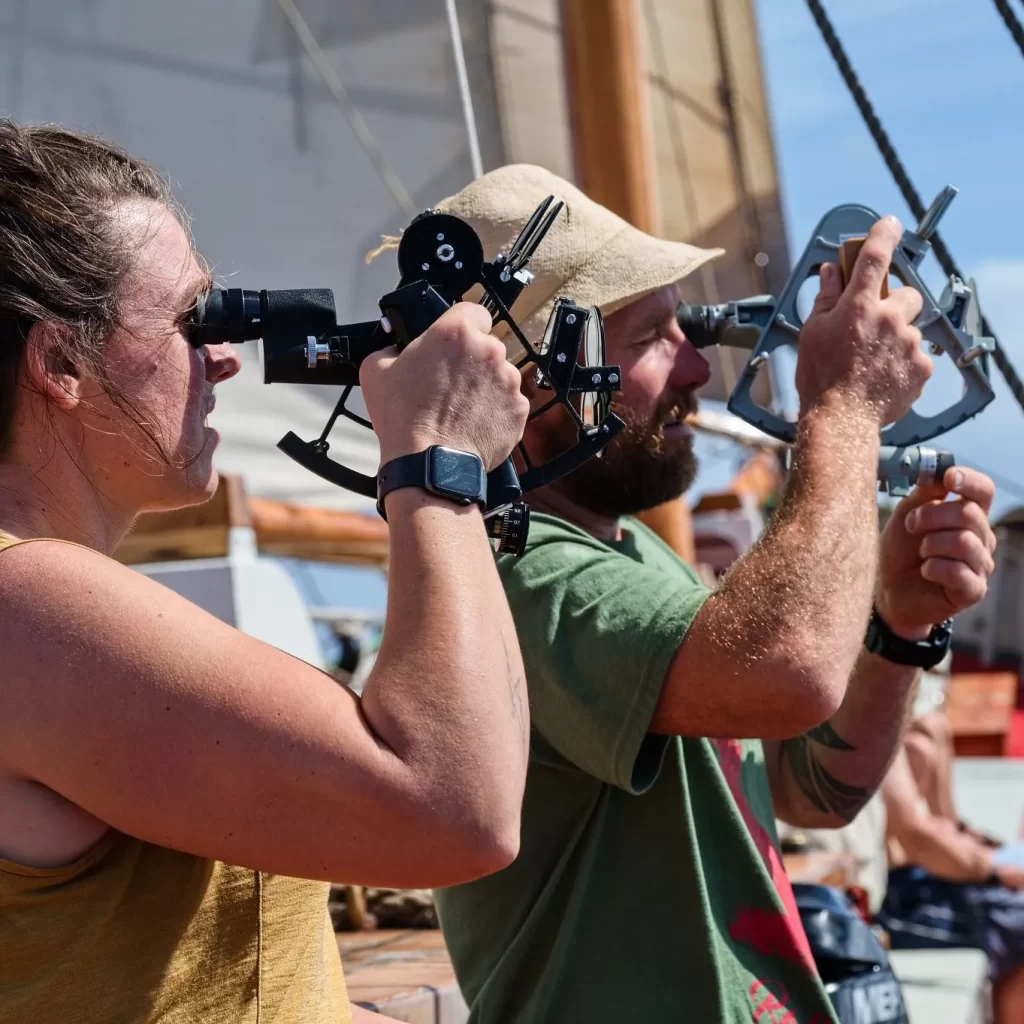
Aboard a tall ship, you learn seamanship techniques that predate engines and electronics. Celestial navigation using a sextant, reading weather patterns from cloud formations, setting canvas to harness wind effectively, understanding tides and currents through observation rather than apps. These aren’t nostalgic exercises. They’re proven methods that still work when modern systems fail. We have the modern systems but we also use the old.
The professional crews teaching these skills represent an unbroken chain of knowledge passed from sailor to sailor across centuries. When you learn to coil a line properly or reef a sail in rising wind, you’re learning exactly what sailors did in 1824 or 1724. That continuity matters. Without people actively sailing these vessels and teaching these skills, the knowledge disappears.

British Naval and Merchant Marine History
Britain’s relationship with the sea shaped the nation’s history, culture, and global influence. The vessels Classic Sailing works with represent different eras of that maritime legacy. Historic fishing trawlers like Provident represent the hardy coastal trade that fed communities. Cargo schooners like Oosterschelde carried goods under sail well into the 20th century. Training ships like Santa Maria Manuela prepared generations of Portuguese sailors for the cod fisheries.
These aren’t replicas or theme park attractions. They’re the real thing, maintained and operated to let anyone experience the seamanship that built maritime nations. Routes followed by Classic Sailing vessels often trace historic trading patterns or exploration paths, connecting you physically to the journeys that shaped history.
What Makes a Voyage ‘Rare’
Limited Vessels Operating Globally
Only 12 traditional vessels work with Classic Sailing, and globally perhaps 200 similar ships carry adult voyage crew. Each has specific capabilities, seasons, and sailing grounds. Johanna Lucretia is the UK’s only operating square rigger available to guests. Provident specialises in Scottish waters few vessels can access. Tecla ventures to Antarctica, the Arctic, and remote Pacific islands where permits and ice capability limit who can sail.
Seasonal and Geographic Constraints
Traditional vessels follow weather patterns and seasonal opportunities. Arctic voyages cluster in brief summer months when ice retreats. Antarctic departures happen during the southern summer. Transatlantic crossings align with trade wind seasons. Scottish sailing avoids winter gales. These seasonal windows create limited departure opportunities.
Some destinations are accessible only by traditional sailing vessels. St Kilda, the remote Scottish archipelago, sits 40 miles beyond the Outer Hebrides in Atlantic waters that demand capable vessels and experienced crews. Reaching St Kilda requires the right weather window, proper vessel, and knowledgeable skipper. Provident attempts St Kilda voyages two or three times annually, booking up a year ahead. Miss those departures and you wait another year.
Rare Routes and Destinations
Certain routes or destinations become available only occasionally. America’s 250th anniversary in 2026 creates a rare regulatory window allowing foreign tall ships into US ports for official celebrations. US trade regulations normally restrict foreign flagged vessels from operating in American waters. This temporary easing won’t reopen until the next major national celebration, possibly decades away.
Historic occasions and anniversaries create unique opportunities. Tall ship gatherings, maritime festivals marking significant dates, or commemorative voyages retracing explorer routes happen once and may not repeat for years or generations.
Vessel Specific Opportunities
Each vessel offers distinct characteristics. Morgenster, built in 1919 and converted to a square rigger in 2008, provides experience with both square sails and fore and aft rigging. Her captains Harry and Jakob have refined her operation over years, creating a particular atmosphere and sailing style found nowhere else.
Johanna Lucretia is Britain’s only accessible square rigged vessel for guest crew. If you want to experience hauling on square sail braces and sheeting home canvas on yards, she’s your only UK option. That makes every Johanna Lucretia voyage rare by definition.

The Experience: What You’re Part Of
Hands On Participation vs Passenger Experience
From the moment you step aboard, you’re crew, not a passenger. Within hours of departure, you’ll be hauling lines, trimming sails, and taking your turn at the helm. The professional crew teach everything you need, matching instruction to your experience level. Complete beginners learn basic rope handling and safety procedures. Experienced sailors engage with navigation, sail trim optimisation, and watch leadership.
This participation distinguishes traditional sailing from any cruise ship experience. On a tall ship, the vessel requires human effort to function. Raising sails takes coordinated crew work. Tacking the ship through the wind demands everyone in position, ready to release sheets and haul braces. You’re not watching. You’re doing.
Small Crew Community
Most Classic Sailing vessels carry 12 to 24 guest crew plus professional crew of 4 to 8. This small scale creates community naturally. You share watches, meals, and deck space with the same group for days or weeks. Friendships form quickly when you’re hauling lines together at 3am or sharing tea in the saloon while rain drums on the deck above.
Solo travelers find this atmosphere particularly welcoming. Approximately 75% of Classic Sailing guests travel independently, drawn by the naturally social environment that develops aboard. Shared cabins offer both economy and security, with same gender arrangements. The watch system ensures you interact with different crew members at various times, getting to know the whole crew.

Skill Development Opportunities
Traditional sailing offers tangible skill development. By voyage end, you’ll understand sail theory, can steer by compass, know the important knots and their applications, comprehend weather patterns, and grasp navigation basics. On longer voyages, opportunities exist to observe celestial navigation demonstrations or participate in passage planning discussions.
These aren’t abstract lessons. You learn by doing, receiving immediate feedback when the vessel responds (or doesn’t) to your actions. The satisfaction of successfully helming through a sail change or getting your first bowline right under pressure stays with you.
The Authenticity Factor
Nothing about these vessels is pretend. When weather builds and the skipper orders a sail change, that’s necessity, not entertainment. When you taste salt spray, feel canvas thrumming with wind, or watch dolphins escort the bow, those experiences are genuine, not contrived attractions. Traditional sailing offers unmediated experience of natural forces, human cooperation, and the satisfaction of movement powered entirely by wind.
The trip was about going too the Scillies, sadly we didn’t manage to go due to the weather, however the crew quickly came up with plan B, this was agreed by all and we very quickly got over our disappointment because the crew made such a great effort in Plan B, we enjoyed the great mix of sailing and trips ashore the crew looked after all our needs being helpfully to all during the trip.
Even if it does not according to plan there is always a plan B
Alex Summer 2024

Who Sails on These Voyages
Traditional tall ship holidays attract people seeking authentic experiences over Instagram moments, skill development over passive consumption, and meaningful connections over anonymous crowds. The voyages attract career professionals on sabbatical, couples seeking adventures together, experienced sailors wanting to crew on vessels they could never own, and younger adventurers drawn to genuine maritime culture.
Career professionals use these voyages as respite from demanding roles, finding that physical deck work and natural rhythms provide mental clarity difficult to achieve in daily life. The contrast between hauling lines under canvas and sitting in meetings proves remarkably restorative.
At the time of my first tall ship voyage I was running a toy making company with 24 staff and all the seasonal problems of toys and Christmas. I can assure a big part of the attraction of tall ship sailing was to get back to basics and do something physically rewarding.
Mix of First Timers and Experienced Sailors
First time sailors discover that traditional vessels offer gentler introduction than modern yachts in some ways. The larger size provides stability, the crew structure offers guidance, and the pace allows adjustment. You’re not expected to know everything immediately. The professional crew understand you’re learning, and instruction comes naturally during work.
Experienced sailors choose crewed tall ship voyages for access to vessels and experiences impossible otherwise. Few people can afford to own and maintain a tall ship. Even experienced yacht owners recognise that sailing a square rigger requires different skills and crew coordination. These voyages provide access to maritime experiences unavailable through private yacht ownership.
If you have never sailed before this artcile will help explain why these ships are best to learn on.
Why Experienced Sailors Choose Crewed Voyages
For sailors with their own boats, the question arises: why pay to crew someone else’s vessel? The answer lies in unique access. Classic Sailing works exclusively with tall ships and traditional vessels, never modern yachts. You cannot charter a vessel like Johanna Lucretia or Oosterschelde for private use unless you have a group of 6 to 24 people. For individuals or smaller groups, joining as guest crew is the only way to experience these ships.
Additionally, these voyages reach destinations requiring permits, local knowledge, and vessel capability beyond most private boats. St Kilda, Antarctic Peninsula waters, remote Greenlandic fjords, or Pacific atolls demand experienced crews, proper equipment, and official clearances. Joining established voyages provides access without years of personal preparation.
What was the best bit?
Climbing in the rigging, unfurling the sails on the yardarm.
The camaraderie between the paid and guest crew was second to none. A fantastic atmosphere. Too wonderful to describe, a life changing experience, I want to pack in my job and sail the world! – Carol

Classic Sailing’s Role in Preserving Access
For nearly 30 years, Classic Sailing has connected guests with traditional sailing experiences aboard carefully selected vessels. This longevity matters. Deep relationships with vessel operators ensure quality and authenticity. Understanding which ships suit different guest needs comes from decades of experience placing thousands of sailors.
Classic Sailing works exclusively with tall ships and traditional vessels. This focus distinguishes the company from competitors who mix modern yachts into their offerings. The commitment to traditional sailing means every vessel in the fleet offers genuine heritage experience, proper traditional rigging, and skilled crews who understand these specific vessels.
As the only UK holiday company offering RYA certification on traditional vessels, Classic Sailing provides unique training opportunities. Learning on gaff rigged ketches or pilot cutters gives skills applicable across traditional sailing while earning recognised RYA qualifications. This combination of heritage experience and professional certification exists nowhere else in the UK.
The small team approach means personal service. Three part time staff members handle all enquiries, bookings, and guest support. This human scale ensures you speak with knowledgeable people who can answer questions, suggest suitable voyages, and provide honest guidance about what to expect.
Give us a call or leave a message. You will get a personal answer from a skipper. +44 1326 531234.
Planning Your Rare Voyage
Booking Windows
Different voyage types require different planning timescales. Polar expeditions (Arctic, Antarctic, Greenland) typically book 12 to 9 months ahead as guests need that lead time for flights, gear acquisition, and preparation. Popular routes like St Kilda fill a year or more in advance. Daysails often book within 1 to 2 weeks. Most other voyages fill 3 to 6 months ahead.
These windows reflect both guest planning needs and vessel capacity. A tall ship carrying 20 guests has only 20 spaces per departure. When those fill, the voyage is full. Popular departures sell out quickly.
Newsletter Signup Value
Classic Sailing’s newsletter alerts subscribers to new voyage announcements, last minute availability, and special opportunities. For rare voyages with limited departures, early notification provides booking advantage. The newsletter is more than a sales channel; we include educational features and links to interesting articles and stories.

Your Place Among the Few
You’ve read this far, which already sets you apart. Most people scroll past traditional sailing without a second thought, drawn instead to conventional holidays that require nothing of them. But you’re different. You’re among the rare few who understand that the best experiences demand participation, who value authenticity over Instagram filters, and who recognise that some things matter precisely because they’re difficult to find.
Fewer than 10,000 Britons will step aboard a traditional tall ship this year. That number includes you, whether this is your first voyage or your fifteenth. Every time you choose genuine maritime heritage over mass market alternatives, you’re helping preserve skills, vessels, and traditions that can only survive through people who care enough to seek them out.
The voyages below represent the rarest opportunities available over coming months. Each offers something genuinely exceptional. Your place is waiting.
Current Rare Voyage Opportunities
The following voyages represent exceptional opportunities available over the coming months. Each offers something genuinely unusual, whether through timing, destination access, or vessel characteristics. These departures exemplify the rare experiences that make traditional tall ship sailing distinct from routine yacht charters or cruise ship holidays.

Sail to America’s 250th Anniversary – Oosterschelde, Bahamas to Virginia
This transatlantic crossing aboard the 106 year old three masted schooner Oosterschelde captures a once in a generation opportunity. US trade regulations normally restrict foreign tall ships from American ports, but the 250th anniversary of American independence creates a temporary regulatory window. Oosterschelde departs the Bahamas in late May 2026, crossing approximately 1,100 nautical miles to arrive in Virginia as an official participant in Independence Day celebrations.
You’ll spend 8 to 10 nights at sea experiencing genuine Atlantic passage making, developing traditional seamanship skills under professional crew guidance. Arrival in Virginia provides access to tall ship gatherings, maritime parades, and commemorative events normally impossible for foreign vessels. This regulatory opening won’t recur for decades. For experienced sailors wondering why not simply charter a yacht and sail to Virginia independently, the answer lies in official welcome and event access available only to invited tall ships during major national celebrations.
Bahamas – Virginia- America’s 250th Anniversary.

Johanna Lucretia Westcountry Adventure – Britain’s Only Square Rigger
Join Britain’s only accessible square rigged vessel for a 5 night round trip from Plymouth exploring Devon and Cornwall’s south coasts. Johanna Lucretia, a 96 foot topsail schooner, sets two square sails on her foremast alongside gaff rigged fore and aft canvas. This rare combination provides experience with both traditional rig types aboard one vessel.
The May departure catches the West Country before summer crowds arrive. Flexible itinerary allows the crew to choose optimal sailing directions based on conditions, visiting historic harbours like Dartmouth, Fowey, and Salcombe. This voyage offers ideal introduction to traditional tall ship sailing aboard the UK’s most distinctive training vessel.
Johanna Lucretia Tall Ship Sailing Experience.

Morgenster Shoreham to Ostend – Rare UK Departure, Perfect Taster
The Dutch brig Morgenster rarely departs UK ports, making this 3 night crossing from Shoreham to Belgium exceptional. Departing late May 2026, this short passage provides genuine square rig sailing experience with practical learning compressed into manageable timeframe. Morgenster’s two masted brig configuration offers pure square rig sailing, distinct from schooners or ketches.
The crossing provides ideal introduction for those uncertain about committing to longer voyages, or experienced sailors wanting square rig experience without extended time commitment. Arrival in Ostend positions you for European travel or onward Morgenster voyages into Northern Europe.
Rare Cross Channel taster on a tall ship.

Provident to St Kilda – Remote Scottish Destination
St Kilda sits 40 miles beyond the Outer Hebrides, accessible only by capable vessels in suitable weather. Provident, the 100 year old Brixham trawler, attempts St Kilda voyages two or three times annually when conditions permit. These expeditions book a year or more ahead as they represent rare access to one of Britain’s most remote inhabited archipelagos (now uninhabited but historically significant).
The June 2026 departure from Oban takes advantage of Scotland’s long daylight hours and typically calmer summer conditions. Even with ideal timing, St Kilda visits cannot be guaranteed due to weather and sea state requirements. However, the Hebridean waters provide stunning alternatives, ensuring remarkable voyage regardless of ultimate destination.
Sail to St Kilda on Provident.

The Rare Voyage Expert – Not many voyages but the places Tecla goes are unbeatable, Antarctica, Arctic Greenland, South Georgia, the Austral Islands in the Pacific, Easter Island, Fair Ilse, the Falklands, but as always you need to plan well ahead for Tecla
Explore all the Voyages on Tecla.
Frequently Asked Questions – FAQ’s
Q: Why are traditional tall ship voyages so rare?
A: Only 12 traditional vessels work with Classic Sailing in the UK, and perhaps 200 similar ships operate globally. Maintaining these historic vessels requires skilled craftspeople including shipwrights, sailmakers, riggers, coppersmiths, and spar makers whose traditional trades keep the ships afloat. Seasonal weather patterns, geographic constraints, and limited departure windows further restrict availability. Additionally, certain destinations like St Kilda or America during special celebrations require specific permits or regulatory windows that open rarely. This combination of limited vessels, skilled crew requirements, and geographic constraints means fewer than 10,000 Britons experience traditional tall ship sailing annually, compared to over 2 million taking cruise holidays.
Q: Do I need sailing experience to join a tall ship voyage?
A: No previous sailing experience is required, as the professional crew will teach you everything from basic rope handling to sail handling at a pace that suits you. Approximately 75% of Classic Sailing guests travel solo, with many being first time sailors. The small crew size (typically 12 to 24 guests) ensures individual attention and instruction matched to your experience level. Solo travelers find shared cabins offer both economy and security, with naturally social atmosphere developing during shared watches and meals.
Q: How is a tall ship voyage different from a cruise?
A: Traditional tall ship voyages provide active participation in sailing the vessel rather than passive passenger experience. You join a small crew (12 to 24 guests plus professional crew), haul lines to raise sails, take turns steering, stand watches, and participate in all aspects of vessel operation. Cruise ships carry hundreds or thousands of passengers who observe rather than participate. Traditional vessels emphasize authentic seamanship, skill development, and small crew community rather than entertainment or luxury amenities. The focus is genuine maritime experience and cultural heritage preservation rather than comfort and convenience.
Q: Do these vessels operate year round?
A: Traditional sailing vessels follow seasonal patterns based on weather and destination. Arctic voyages operate during brief summer months when ice retreats (typically June through September). Antarctic expeditions run during southern summer (November through March). Scottish sailing avoids harsh winter conditions, operating April through October. Transatlantic crossings align with trade wind seasons. Mediterranean and Caribbean voyages offer extended seasons due to favorable climates. Each vessel has specific operational seasons optimized for safety and best sailing conditions. Classic Sailing’s newsletter alerts subscribers to seasonal voyage announcements.
Q: How far in advance should I book a rare voyage?
A: Booking windows vary by voyage type. Polar expeditions (Arctic, Antarctic, Greenland) typically require 12 to 9 months lead time for flights and preparation. Popular routes like St Kilda or special events (such as America’s 250th anniversary) fill a year or more ahead. Most voyages book 3 to 6 months in advance. Daysails often have availability within 1 to 2 weeks. Rare voyages with limited annual departures require earliest booking, as they sell out quickly and may not repeat for years.
Contact Classic Sailing: WhatsApp: +44 1326 459 053 Phone: +44 1326 531 234
For daily tall ship news and voyage updates, follow Classic Sailing on Facebook — over 64,000 sailors already do.
facebook.com/ClassicSailing


