
| Embark | Disembark | Vessel | Duration | Voyage No |
|---|---|---|---|---|
| Sun 10-10-2027, 18:00Reykjavik, Iceland | Thu 28-10-2027, 10:00Harlingen, The Netherlands | Tecla | 18 Nights | TC101027 |
Retrace the North Atlantic routes that Norse seafarers navigated over a millennium ago, connecting Iceland, the Faroe Islands, Shetland, Orkney, and the Netherlands across 1,200 nautical miles.
This challenging ocean passage includes four major crossings ranging from 190 to 400 nautical miles, with stops at dramatic sea cliffs, Viking archaeological sites including Skara Brae and the Ring of Brodgar, and remote island communities. You’ll stand watches day and night, develop traditional sailing skills, and experience the same waters that shaped Norse maritime culture, with opportunities to spot puffins, seals, orcas, and dolphins along the way.
Tecla arrives in Harlingen after two years exploring distant waters, and this homeward voyage offers just 12 berths for those seeking authentic North Atlantic sailing where weather systems move fast and seamanship skills matter.
A delight. A competent and engaging professional crew, an interesting voyage with some challenges and some great rewards. Good companions to make the log spin around.
Mike

| Vessel type / Rig | Gaff Ketch |
| Guest Berths | 12 |
| Beam | 22ft |
| Draft | 8.9ft |
| Deck Length | 90ft |
| Overall Length | 124ft |
| Tonnage | 92 tons |
| Year Built | 1915 |
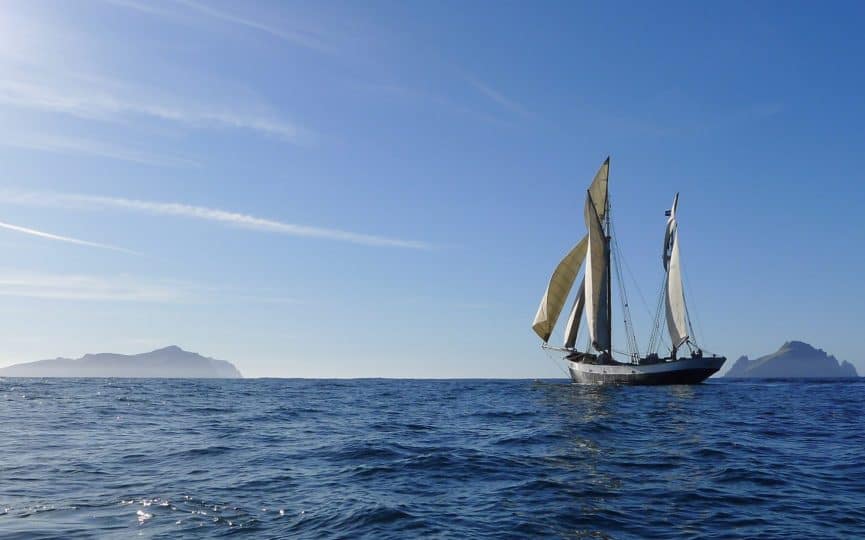
Sailing in Viking Footsteps aboard the historic tall ship Tecla traces one of the North Atlantic’s most storied maritime routes. This challenging ocean passage connects Iceland, the Faroe Islands, Shetland, and Orkney—the same island chains that Norse seafarers navigated over a millennium ago. With only 12 berths available, this voyage attracts those seeking a genuine test of seamanship across 1,200 nautical miles of open ocean, where weather systems move fast and crew skills develop rapidly.
Tecla returns home to the Netherlands after two years exploring distant waters, and this homeward passage showcases the vessel’s proven capability in North Atlantic conditions. The professional crew will train you in traditional sailing techniques from the first watch, building toward the self-sufficiency required for multi-day ocean crossings. This is not a gentle coastal cruise—expect strong winds, watch-keeping through the night, and the satisfaction that comes from sailing one of Europe’s most exposed sea routes under your own effort.

You’ll experience true ocean sailing across the North Atlantic, standing watches through day and night, navigating between remote island groups, and developing practical seamanship skills. The route includes four major passages ranging from 190 to 400 nautical miles, with stops at Viking archaeological sites, dramatic sea cliffs, and harbours rarely visited by conventional tourism.
Your voyage begins in Reykjavik, Iceland, where Europe’s oldest language connects directly to the Old Norse spoken by the Vikings who settled here around 870 AD. Modern Reykjavik presents a chic, cosmopolitan face, but the city’s museums and sagas provide deep insight into the seafaring culture that shaped these northern waters. The Icelandic character—forged by pitch-dark winters and energetic summers under the midnight sun—links contemporary islanders with their Norse ancestors in ways visitors quickly sense.
Arriving early in Reykjavik rewards you with access to the city’s thermal pools, the striking Hallgrímskirkja church with its panoramic tower views, and the National Museum’s Viking Age exhibits. The harbour area, once dominated by fishing vessels, now blends working waterfront with cultural quarter. If time allows before boarding, consider the Golden Circle route to see Thingvellir—the original Viking parliament site where Norse chieftains gathered—alongside powerful waterfalls and geothermal areas.
Reykjavik is a Small but lively city with lots of culture and I found the old prison Reykjavik Art Museum well worth a visit.

Tecla’s first stop after leaving Reykjavik brings you to the Westman Islands (Vestmannaeyjar), a volcanic archipelago barely 12,000 years old. The main island, Heimaey, hosts one of Iceland’s largest puffin colonies—these characterful seabirds nest in burrows on the clifftops during summer months (May through August). The 1973 volcanic eruption that created Eldfell volcano added two square miles to the island as lava flows reshaped the harbour entrance. Residents famously pumped seawater onto the advancing lava to protect their fishing port, a battle against nature documented in the excellent Eldheimar museum built around a house buried by ash.
“This trip fulfilled my desire for adventure sailing as we transited the north coast of Iceland, along the Arctic Circle. Even though it was rough, the boat and crew performed admirably.”
Bruce, Tecla voyage
Departing Heimaey, Tecla sets course for the Faroe Islands across 400 nautical miles of open North Atlantic. This first major passage introduces the watch system that structures your days and nights at sea. Divided into navigational watches, the crew shares responsibility for steering, sail trimming, navigation checks, and maintaining lookout. The rhythm of four hours on, eight hours off becomes natural quickly, and you’ll discover how much you can learn when there’s nothing but sea, sky, and a working tall ship around you.
The Faroes emerge from the ocean as dramatic cliff faces—Europe’s highest sea cliffs at Slaettaratindur rise 882 metres directly from the water, visible from considerable distance in clear conditions. This isolated archipelago sits fully exposed to Atlantic weather systems, and approaching these islands under sail provides a visceral understanding of why Norse navigators considered seamanship a survival skill, not merely a pastime.

Tórshavn, capital of the Faroe Islands, serves as your entry point after clearing customs. The city’s old town, Tinganes, features turf-roofed wooden buildings where Faroese parliament has met since Viking times. The islands support substantial seabird colonies—gannets, guillemots, puffins, and storm petrels nest on cliffs throughout the archipelago during breeding season (May through August). Archaeological sites reveal continuous Norse settlement patterns, while the modern Faroese maintain fishing traditions and a distinctive cultural identity within the Kingdom of Denmark.
The Faroes occupy a unique position in North Atlantic sailing—far enough offshore to feel genuinely remote, yet with harbours offering shelter and resupply. Weather here changes rapidly; skippers watch forecasts closely and adjust plans accordingly. Depending on conditions, you may explore beyond Tórshavn to smaller settlements accessible only by boat or challenging mountain paths.
The passage from the Faroes to Shetland covers approximately 190 nautical miles, typically 36 hours of sailing. This stretch often provides excellent sailing conditions during summer months (June through August) when prevailing westerlies blow consistently but gales are less frequent than during winter. Night watches offer chances to see bioluminescence in the wake and navigate by stars—practical skills that connect directly to how Norse sailors found their way across these same waters without modern instruments.

Shetland’s character reflects centuries of Norse rule more strongly than mainland Scottish influence. Lerwick, the main harbour, developed around fishing and maritime trade. The archaeological site at Jarlshof reveals layers of occupation from prehistoric settlements through Norse farmsteads to medieval remains—all in one location that Vikings would have sailed past regularly. The modern Shetland Museum in Lerwick provides context for understanding how these islands served as stepping stones in Norse expansion across the North Atlantic.
For those keen on wildlife, Unst—Shetland’s northernmost inhabited island—offers Hermaness National Nature Reserve. The cliffs support seabird colonies, while otters hunt in sheltered bays and voes.
To watch a large flock of Gannets diving near Muckle Flugga lighthouse is something I will never forget. Also spotted sea otters playing in the kelp by the side of the road.
Fair Isle, lying halfway between Orkney and Shetland, represents one of Britain’s most successful remote communities. With approximately 60 residents maintaining a working crofting and fishing economy, the island welcomes visitors warmly while preserving genuine island life. Fair Isle knitwear patterns originated here, and the bird observatory attracts ornithologists tracking migration patterns. Anchoring off Fair Isle provides a rare opportunity to experience an island community that thrives through cooperation and resilience—qualities Vikings would recognize.
Visit the Museum -that’s a must!

The Orkney archipelago reveals the densest concentration of archaeological sites in Britain. Your arrival may be at Westray or Sanday depending on weather—both islands offer unspoiled beaches, Neolithic remains, and wildlife including common seals, grey seals, and otters. Orcas (killer whales) patrol Orkney waters hunting seals, particularly around Westray during summer months. Dolphins and porpoises are regular sightings, and occasionally lost sperm whales wander into these relatively shallow northern waters.
Stromness
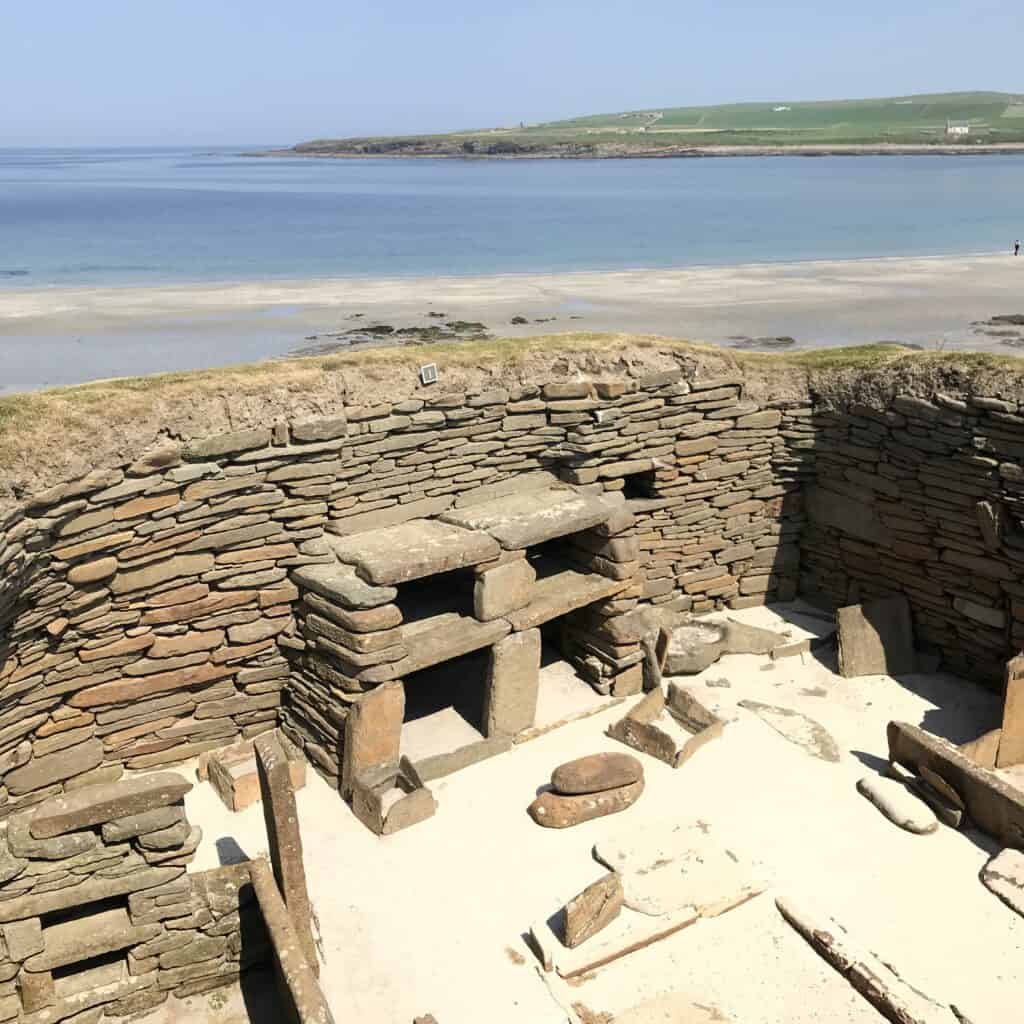
Stromness is the main sailing port in Orkney and looks west across Hoy Sound. It gives Tecla’s crew a straightforward base for trips to the key sites on Mainland Orkney. Skara Brae is a five thousand year old village revealed by coastal erosion and still held together by dry stone walls with no mortar. The Ring of Brodgar is an ancient stone circle that predates Stonehenge. Maeshowe is a chambered cairn aligned with the midwinter sunset, later entered by Norsemen who left runic carvings on the stone.
I was very impressed by the precision of the stonework at Skara Brae still surprises modern visitors and makes the site worth the short journey from Stromness.
These places show that complex societies flourished in Orkney long before the first Norse longships appeared on the horizon.
A short sail from Stromness brings you to Hoy, Orkney’s second-largest island and its most dramatic. Ward Hill rises 480 metres above sea level, and the western coast features the Old Man of Hoy—a 137-metre sea stack that has become Orkney’s most photographed natural feature. Hoy’s landscape differs markedly from Orkney’s other low-lying, fertile islands; the high moorland and steep cliffs create challenging terrain for walkers but spectacular sailing along the coast.
“A great mix of sailing in Scottish waters, some super hikes and an opportunity to see some of the immensely important historical sites in the Orkneys and Shetlands. Mooring alongside in the Fair Isles was a great privilege. The ocean passage to the Faroes was quiet but as a result we were blessed with clear skies whilst slinking in and out of the islands and some of the best coastal views one could hope to see anywhere.”
K, Tecla Scotland and Faroes voyage
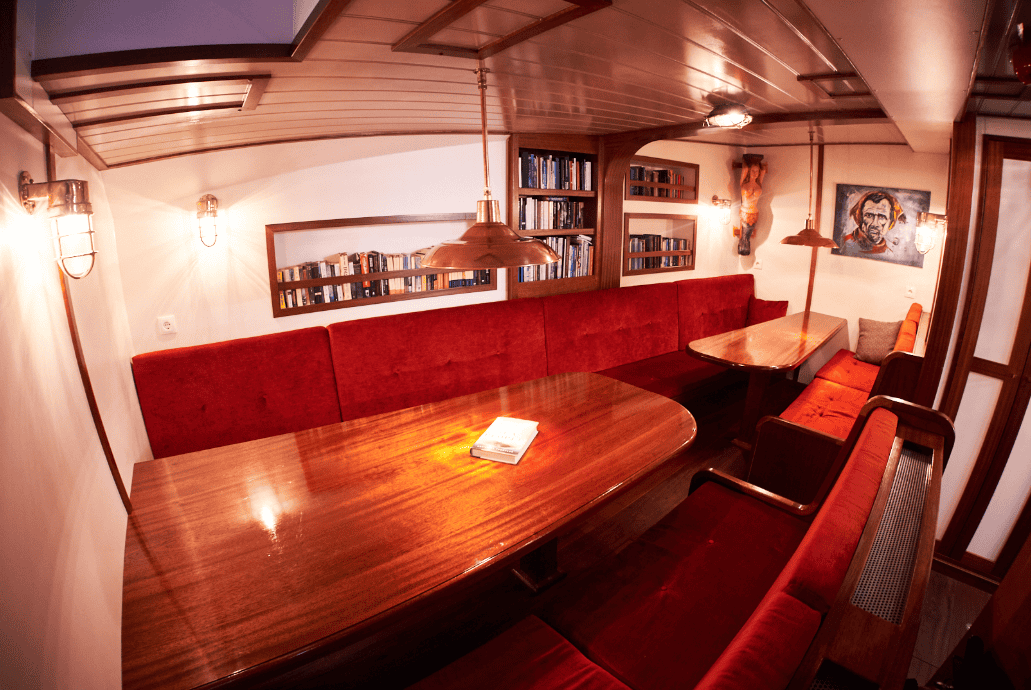
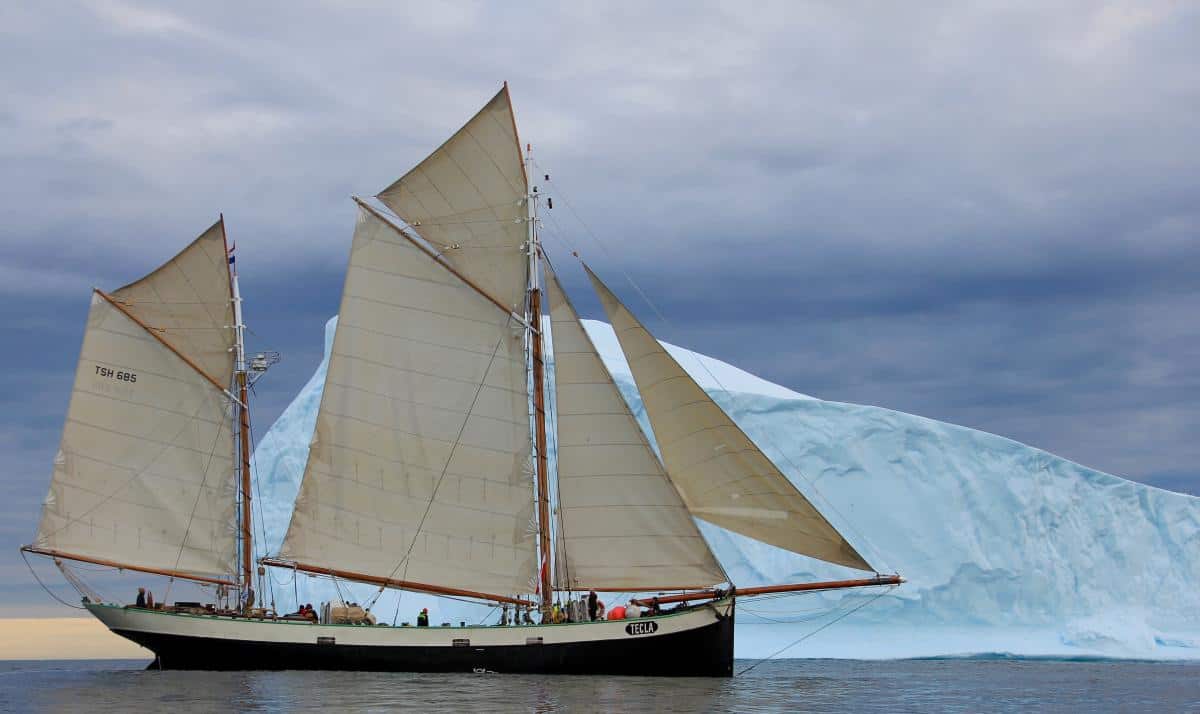
Tecla, a 42-metre steel ketch built in 1915, has sailed the world’s icy waters from Antarctica to the Arctic. The vessel’s proven design handles North Atlantic conditions confidently, and the permanent crew’s experience shows in how smoothly the ship operates even when conditions turn challenging. Accommodation is comfortable but functional—proper berths rather than sea-berths, shared cabins that foster the crew community, and a saloon where meals become social time for discussing the day’s sailing and planning tomorrow’s navigation.
Meals aboard emphasize fresh ingredients and hearty portions suited to active sailing. The galley produces hot meals even in rough conditions—a skill you’ll appreciate during overnight passages. All meals and accommodation are included in the voyage price, along with safety equipment and instruction. You’ll need to arrange your own travel to Reykjavik and from Harlingen, plus travel insurance (which is required). Personal bar bills for additional drinks are settled separately.
Solo travelers are common on these voyages, with shared cabins available and a naturally social atmosphere developing among the small crew of 12 guests. The watch system ensures you work closely with different crew members, and the shared challenge of sailing this route builds camaraderie quickly. Many guests use these voyages as milestone experiences—significant birthdays, career breaks, or preparation for retirement adventures.
The physical demands are moderate but real. You’ll be hauling lines, standing watch in all weather, and moving around a working deck that tilts and shifts underfoot. Tasks suit various fitness levels, and you’re always free to participate as much or as little as you choose, though full participation brings the greatest sense of achievement. This voyage particularly suits those who are happy in strong winds and understand that North Atlantic sailing involves challenging conditions alongside the rewards.
“An enjoyable week in less than ideal weather conditions. The crew were competent and friendly, the catering excellent. I wouldn’t hesitate to recommend a voyage on Tecla.”
Jonathan, Tecla voyage

The northern islands along this route support exceptional wildlife populations, particularly during breeding season (May through August). Seabird colonies on the Faroes, Shetland, and Orkney include puffins, gannets, guillemots, razorbills, fulmars, and Arctic terns. Puffins are most visible during their nesting period, typically departing for ocean wintering grounds by mid-August.
Marine mammals frequent these waters year-round, though sightings depend on location and season. Common seals and grey seals haul out on skerries and beaches throughout the island groups. Harbour porpoises are the most frequently sighted cetaceans, often approaching the vessel. Dolphins—including white-beaked dolphins and Risso’s dolphins—appear regularly, sometimes bow-riding alongside Tecla. Orcas patrol Orkney and Shetland waters, particularly around seal colonies where they hunt. While humpback whales, minke whales, and occasionally sperm whales pass through these waters, sightings cannot be guaranteed.
The landscape itself provides constant drama: the volcanic geology of Iceland’s recent formations, the layered sedimentary cliffs of the Faroes, Orkney’s low green islands dotted with archaeological remains, and Shetland’s mixture of moorland and sheltered voes. Sailing between these island groups reveals how geography shaped settlement patterns and why Norse navigators developed their sophisticated understanding of currents, wind patterns, and seasonal weather.
Shetlands the Noop of Noss and Prehistoric JarlshofSailing in Viking Footsteps means retracing routes that Norse seafarers established as they expanded from Scandinavia westward during the 8th to 11th centuries. Vikings settled Iceland around 870 AD, used the Faroes as a stepping stone (settling even earlier, around 800 AD), and established strong Norse earldoms in Orkney and Shetland that persisted for centuries. The Orkney earls wielded significant power, ruling territories that extended to the Hebrides and parts of northern Scotland.
The Icelandic sagas—written down during the 12th and 13th centuries but recounting earlier events—document these voyages and settlements in remarkable detail. Modern Icelandic remains closer to Old Norse than contemporary Scandinavian languages, offering a linguistic connection to Viking-age speech. In Orkney and Shetland, Norse influence remains visible in place names (ending in -vik, -ster, -bister, -firth), dialect words, and cultural traditions including Up Helly Aa fire festivals in Shetland.
Unlike the raiding reputation that dominates popular Viking imagery, the Norse settlers in these northern islands came as farmers, fishermen, and traders establishing permanent communities. Archaeological evidence reveals sophisticated farmsteads, complex trade networks, and integration with existing populations. The maritime skills that brought them here—celestial navigation, understanding of ocean currents, and robust boat design—represent genuine achievements in seamanship that modern sailors respect when covering the same waters under sail.
Leaving Hoy’s dramatic cliffs on the horizon, Tecla strikes out for the North Sea crossing to the Netherlands. This 400-nautical-mile passage represents the final test of the skills you’ve developed over the previous week. The North Sea’s character differs from the Atlantic approaches—shallower waters, busier shipping lanes, and tidal streams that require careful navigation. The Wadden Sea—a UNESCO World Heritage Site—appears as a half-moon chain of barrier islands protecting the inner Waddensea from wave action.
This tidal seaway between the islands ranks among Tecla’s favorite sailing grounds. Navigating with the tides through channels between islands demands attention and provides excellent practice in pilotage. You’ll likely make at least one stop on the Wadden Islands before the final approach to Harlingen, allowing time to explore the unique ecosystem of mudflats, salt marshes, and tidal channels that support millions of migratory birds.
Harlingen offers a fitting end to your Viking route voyage. This historic Dutch port town developed around fishing and trade, its cobbled streets and gabled buildings reflecting maritime prosperity. The Hannemahuis museum documents Frisian maritime history, while the harbour remains a working port where traditional sailing vessels still operate alongside modern craft.
Travel from Harlingen to Amsterdam Schiphol Airport takes approximately 2.5 hours by train, with connections through Leeuwarden. If your schedule allows time before departure, explore Harlingen’s quieter corners away from the main harbour—the Zuiderhaven district, the old city walls, and local cafés where you can reflect on the passage you’ve completed. Many crew members find the contrast striking: two weeks earlier you were in Reykjavik preparing for ocean passages, and now you’re back in gentle Dutch waters with a genuine North Atlantic sailing achievement behind you.

No previous sailing experience is required, as the professional crew will teach you everything from basic rope handling to navigation skills at a pace that suits you. However, it might be sensible to know you enjoy being at sea before setting off on this long voyage. The route includes multiple passages of 36-48 hours, meaning extended periods without sight of land and continuous watch-keeping. If you’ve not sailed overnight before, consider starting with a shorter voyage to confirm you’re comfortable with life at sea.
For experienced sailors, this voyage offers the chance to develop ocean passage-making skills in challenging conditions you cannot easily access on standard yacht charters. The scale of Tecla’s rig, the traditional sailing techniques, and the North Atlantic environment provide genuine learning opportunities beyond coastal cruising.
What to wear when sailingThe voyage price includes all meals aboard, accommodation, comprehensive safety equipment, and instruction from the professional crew. You’ll need to arrange your own flights to Reykjavik and from Harlingen, plus mandatory travel insurance. Personal bar bills for additional drinks are settled separately at voyage end.
Solo travelers represent the majority on these voyages. Shared cabins are available (same-gender arrangements), and the small crew size of 12 guests plus professional crew creates a naturally social atmosphere. The watch system ensures you work alongside different crew members, and shared meals in the saloon become times for storytelling and voyage planning.
The physical demands suit various fitness levels but require reasonable mobility and balance. You’ll be moving around a working deck that tilts and rolls, hauling lines (often working as a team rather than individually), and standing watch for four-hour periods regardless of weather. If you have concerns about specific physical limitations, contact Classic Sailing to discuss whether the voyage suits your circumstances. The crew accommodates different participation levels, but full engagement brings the greatest satisfaction and skill development.
The itinerary is subject to weather conditions and the captain’s discretion. North Atlantic weather systems move quickly, and skippers adjust plans to ensure safe sailing and the best experience for the crew. The scheduled departure from Reykjavik and arrival in Harlingen remain firm commitments, but the exact route, time spent at each stop, and daily sailing plans adapt to conditions. Previous guests report this flexibility as a strength—you experience real sailing decision-making rather than following a fixed timetable regardless of weather.
With only 12 berths available and Tecla returning home after two years away, spaces on this particular departure are limited. Classic Sailing has connected guests with traditional sailing experiences for 28 years, and voyages on proven vessels like Tecla during their homeward passages often fill quickly as crew members seek a final voyage before the vessel reaches home port.

Do I need sailing experience to join this Viking route voyage?
No previous sailing experience is required, as the professional crew will teach you everything from basic rope handling to navigation skills at a pace that suits you. However, it might be sensible to know you enjoy being at sea before setting off on this long voyage. The route includes four major ocean passages ranging from 190 to 400 nautical miles, with continuous watch-keeping day and night. If you haven’t sailed overnight before, you might consider starting with a shorter voyage to confirm you’re comfortable with extended periods at sea. For experienced sailors, the voyage offers excellent opportunities to develop offshore passage-making skills in North Atlantic conditions.
What weather conditions can I expect sailing in Viking Footsteps during summer months?
Summer departures (June through August) generally provide the most favorable North Atlantic conditions, with prevailing westerly winds, longer daylight hours, and reduced frequency of severe gales compared to winter months. However, “favorable” in North Atlantic terms still means potential for strong winds, rough seas, and rapidly changing weather systems. Temperatures typically range from 8-15°C at sea, cooler in wind and spray. Expect mixed conditions: periods of excellent sailing in fresh breezes alternating with stronger winds requiring reduced sail and focused seamanship. The itinerary is subject to weather conditions and the captain’s discretion, and skippers adjust plans based on forecasts to ensure safe sailing. Previous guests consistently note that challenging conditions form part of the authentic experience of retracing Viking routes.
What is included in the voyage price for sailing on Tecla?
The voyage price includes all meals aboard (breakfast, lunch, dinner, and snacks), accommodation in shared cabins, all safety equipment, comprehensive instruction from professional crew, and the sailing experience itself. You’ll need to arrange and pay separately for: flights to Reykjavik and from Harlingen, travel insurance (which is required), and personal bar bills for additional drinks beyond what’s provided with meals. Airport transfers are your responsibility, though train connections from Harlingen to Amsterdam Schiphol take approximately 2.5 hours and are straightforward. Budget for meals during travel days and any time you spend exploring ports before departure or after arrival.
How many passengers sail on Tecla and what is the crew structure?
Tecla accommodates a maximum of 12 guest crew on this voyage, creating an intimate crew community where everyone participates actively. This small number ensures everyone receives proper instruction and has meaningful responsibilities during sailing. The vessel also carries professional permanent crew—typically a captain and two mates—who handle overall navigation, safety, and instruction while training guest crew to operate the ship. The watch system divides the 12 guests into rotating groups, so you’ll work closely with different crew members throughout the voyage and develop skills progressively from basic line handling to navigation and helm time.
What should I pack for a North Atlantic sailing voyage in Viking Footsteps?
Pack for cold, wet conditions even during summer months. Essential items include: waterproof sailing jacket and trousers (borrowed foul-weather gear may be available but bringing your own ensures proper fit), warm layering clothing including fleece or wool (avoid cotton which stays wet), thermal base layers for night watches, warm hat and gloves, sturdy waterproof boots with non-slip soles, sunglasses and sun protection (UV reflection off water is strong), small headlamp for night watches, and any personal medications. Space in cabins is limited, so use a soft duffel bag rather than hard-shell luggage. Consider seasickness medication even if you think you won’t need it—having it available provides peace of mind. A small dry bag for electronics and documents protects against spray and rain. Bring a water bottle for staying hydrated during watches.
Getting Ready for a Big AdventureReykjavik is a vibrant city, and the world’s most northerly capital. We’d highly recommend taking a couple of days to explore at the start or end of your voyage.
Reykjavik, the capital city of Iceland, offers a delightful array of attractions and activities for visitors to enjoy. Here is a brief guide to experiencing a memorable day out in Reykjavik:
1. Morning Exploration:
Start your day by exploring the charming city center of Reykjavik. Take a leisurely stroll down Laugavegur, the main shopping street, lined with trendy shops, cafes, and restaurants. Don’t miss the iconic Hallgrímskirkja, a striking church with a panoramic view of the city from its tower. Take in the unique architecture and enjoy the peaceful ambiance.
2. Cultural Immersion:
Immerse yourself in Icelandic culture by visiting some of Reykjavik’s cultural sites. Head to the Harpa Concert Hall, a visually stunning glass building that hosts various concerts and events. Explore the Reykjavik Art Museum, showcasing contemporary and modern Icelandic art. Additionally, the National Museum of Iceland offers insights into the country’s history and heritage.
3. Delicious Icelandic Cuisine:
Treat yourself to Icelandic cuisine during lunchtime. Explore local restaurants and try traditional dishes like fresh seafood, hearty lamb stew, or the famous Icelandic hot dog.
4. Natural Wonders:
In the afternoon, venture out to explore the unique natural wonders around Reykjavik. Join a guided tour to witness the stunning beauty of the Golden Circle, which includes the awe-inspiring Gullfoss waterfall, the Geysir geothermal area, and Thingvellir National Park, a UNESCO World Heritage site where you can walk between tectonic plates.
5. Relaxing in Thermal Pools:
End your day with a relaxing dip in one of Reykjavik’s geothermal pools. The most famous one is the Blue Lagoon, located a short distance from the city, although this can be incredibly busy and a bit commercial. We much prefer the ‘hot river’ of the Reykjadalur Valley which is more secluded if you have the time to walk there. Enjoy the warm mineral-rich waters and rejuvenate your senses amidst a surreal volcanic landscape. Alternatively, you can also visit one of the local thermal pools in the city, such as Laugardalslaug or Vesturbaejarlaug, to experience a slice of Icelandic daily life.
6. Evening Delights:
Reykjavik’s vibrant nightlife offers an array of entertainment options. Head to the downtown area to explore cozy bars, live music venues, and trendy clubs. Enjoy live performances by local bands, sample Icelandic craft beer, or try the unique Icelandic schnapps called “Brennivín.” Experience the friendly and lively atmosphere that Reykjavik is known for.
Remember to dress appropriately for the weather, as Iceland’s climate can be changeable.
Travel and Reykjavik
Recommendation for flights to remote or cold climate destinations we recommend purchasing flexible flights that offer full refunds. See advice on Flexible flights here.
1. UK: There are direct flights available from various airports in the UK, including London Heathrow, London Gatwick, Manchester, and Glasgow. Several airlines, such as Icelandair, British Airways, and easyJet, operate direct flights to Reykjavik. The flight duration is typically around 2-3 hours, making it a convenient and accessible destination from the UK.
2. Canada: There are direct flights available from major Canadian cities, such as Toronto, Montreal, and Vancouver, to Reykjavik. Air Canada and Icelandair are among the airlines that offer direct flights. The flight duration from Canada to Reykjavik varies depending on the departure city but generally ranges from 5 to 7 hours.
3. USA: Several airlines, including Icelandair, Delta Air Lines, American Airlines, and WOW Air, operate direct flights from various US cities such as New York, Boston, Washington, D.C., Seattle, and Minneapolis to Reykjavik. The flight duration from the USA to Reykjavik is typically around 5 to 7 hours, depending on the departure city.
4. Europe: Many European cities offer direct flights to Reykjavik, making it easily accessible. Airlines such as Icelandair, SAS, and British Airways operate direct flights from cities like Copenhagen, London, Paris, Amsterdam, Frankfurt, and Barcelona. The flight duration from European cities to Reykjavik can vary, typically ranging from 2 to 4 hours.
It’s important to note that flight schedules and availability may change, so it is recommended to check with airlines or travel agencies for the most up-to-date information before planning your journey to or from Reykjavik.
One of the oldest port towns in the Netherlands, Harlingen has a rich maritime past. The Hannemahuis Museum is a treasure trove of local history and the golden age of Dutch seafaring. Visit the Harlinger Pottery and Tile Factory to witness traditional craftsmanship in action. If you’re after a leg stretch before or after a voyage, the iconic Vuurtoren is a lighthouse with stunning views, and the nearby Waddenzee is the largest uninterrupted stretch of wetlands in the world. Fantastic for birdwatching.
Not all sailing areas require the same gear, the same foul weather equipment or even the same shorts. But some items you must always bring. In this kit list we hope to give you a small insight in what to bring, but of course, please consider this list might not encumber all that you would wish to take!
Very important is that your bag or small suitcase needs to be stored in the room, under your bed, there is limited space – so bring a foldable bag! the following is Tecla's standard included/excluded and kit list. Below this you can find more specific info and kit lists dependant on sailing area.
When the ocean crossing is not part of the Southern Ocean sailing (so no South Georgia or Antarctica included) the crossings are usually in warm weather. Going from North to South, please be advised that the weather in the Falkland Islands is cool and wet! So also bring at
least one set of warm clothing.
If there are any items you usually take on your hikes, and they are easy to take in your luggage, don’t forget to bring them!
On the Falkland Islands, South Georgia and Antarctica there are different levels of Bio-Security we will have to comply with. To make it easy on yourself we recommend you bring one set of hiking gear that you would like to use on shore, that is completely cleaned at home. This means Velcro is cleaned and does not contain any seeds or pollen. Your pockets are empty of any seeds, pollen, sand etc. Your boots are cleaned, no sand or mud on them.
This way, getting ready for the first landing becomes a walk in the park. For more information on Bio Security, please contact us.
These surroundings can be very cold, especially on longer watches. And also because these areas are protected, we ask you to take at least two sets of wet weather gear, with one of them at least completely clean. If you have sailing gear, perfect, but also bring some light weight, waterproof hiking gear. We recommend goretex pro of any brand. This is tough and durable. Often easy to clean and light weight.
In the cold, making layers is important. If there is no rain, most 800gr down jackets with a merino wool layer underneath are warm enough. If it rains, most jackets do not fit over the down jacket. Therefore we recommend layer one merino wool, layer two a woollen sweater, layer three a thinner down jacket or wind stopper and layer four your water proof jacket.
Of course we understand that not everybody has these items in their closet. Please contact us if you are unsure what to pack.
Summer in the Northern Territories of Canada can be cold, but they can be beautiful and warm as well. During the 2019 voyage we have had days of 2 degrees and days of 19 degrees. We had nights of 0 degrees, but also nights with a warm land breeze, where a woollen sweater and merino under layer were enough.
I have sailed with the Tecla several times, from harbour hopping along the north coast of Scotland, to fjord hopping around Iceland, to an open ocean voyage from Ullapool to Tenerife. These have been among the greatest experiences of my life and far exceeded my expectations... I have told Jet and Gijs that I think the stern area of the Tecla is the happiest place on Earth!
Richard
This trip fulfilled my desire for adventure sailing as we transited the north coast of Iceland, along the Arctic Circle. Even though it was rough, the boat and crew performed admirably.
Bruce
An enjoyable week in less than ideal weather conditions. The crew were competent and friendly, the catering excellent. I wouldn't hesitate to recommend a voyage on Tecla.
Jonathan
A great mix of sailing in Scottish waters, some super hikes and an opportunity to see some of the immensely important historical sites in the Orkneys and Sheltands.
Mooring alongside in the Fair Isles was a great privilege.
The ocean passage to the Faroes was quiet but as a result we were blessed with clear skies whilst slinking in and out of the islands and some of the best coastal views one could hope to see anywhere.
The ocean passage to Iceland was a bit of a bimble until we were 60 miles off and then it got exciting. Thanks to a great skipper and permanent crew we snuggled into a fjord whilst the cruise ship ran aground in Reykjavik harbour. A good holiday, an adventure and fun.
K
Any initial doubts as to the number and experience of the crew were very quickly dispelled and we were impressed with the knowledge and the handling skills of the skipper and the 2 mates. Every opportunity was taken to enhance our enjoyment on both voyages and at every stage we were made to feel relaxed and under no obligation to crew the ship under sometimes testing (but enjoyable) conditions. As an observation, we must congratulate the skipper for her culinary skills under difficult conditions..........the food was perfect for the voyage.
Geoff
A delight. A competent and engaging professional crew, an interesting voyage with some challenges and some great rewards. Good companions to make the log spin around.
Mike
Brilliant. I would do it again tomorrow. And good value too. The food was excellent. I loved the spicy meatballs and my wife loved the fresh langoustines.
Steve
Most enjoyable classic sailing with great food, a true sense of teamwork, great guidance and a good sense of humour. Can't get any better.
Thomas
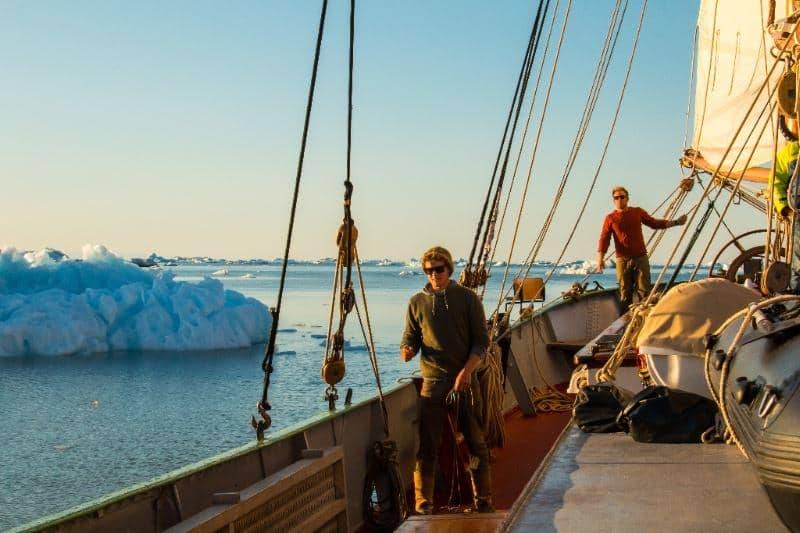
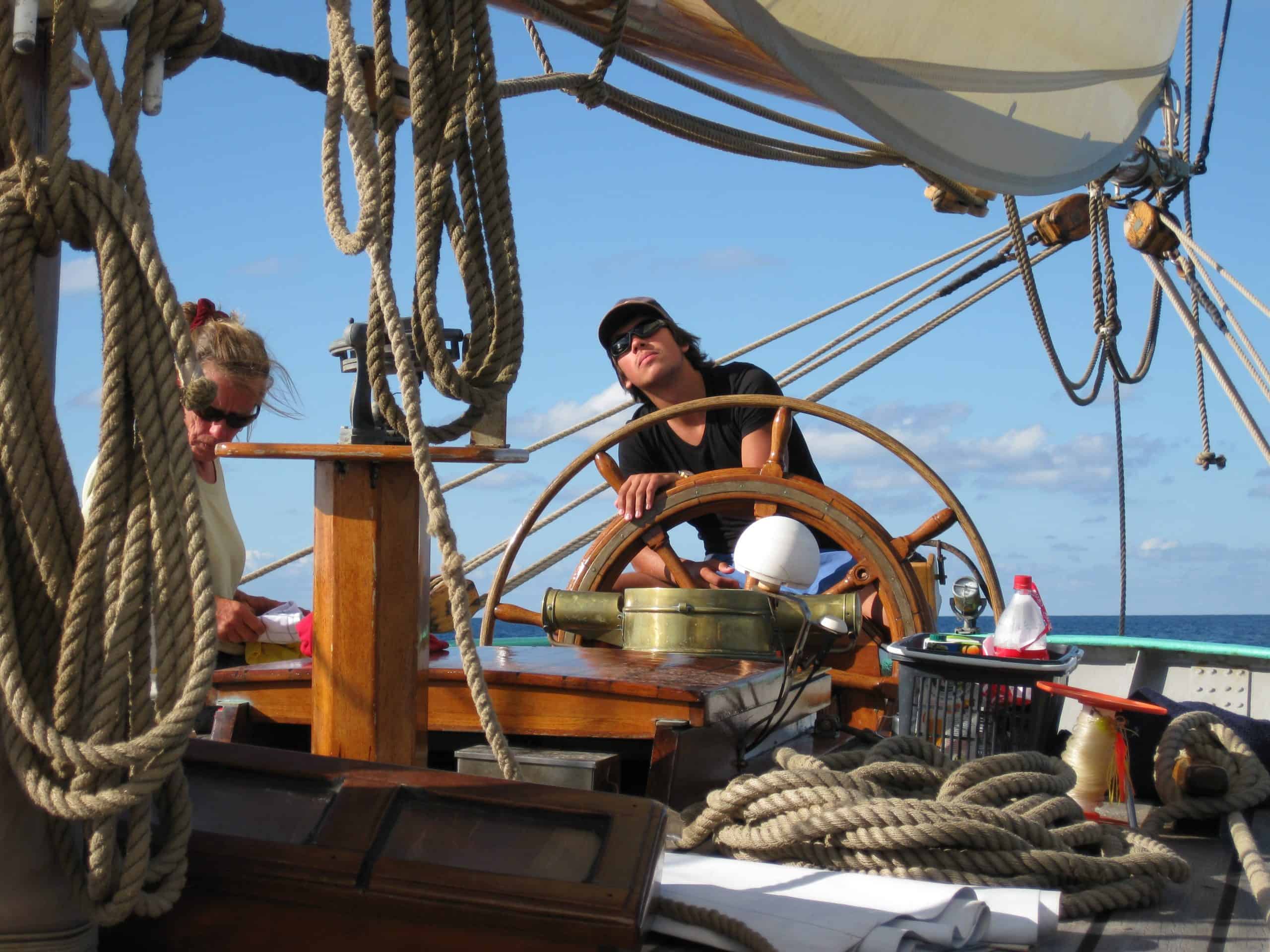
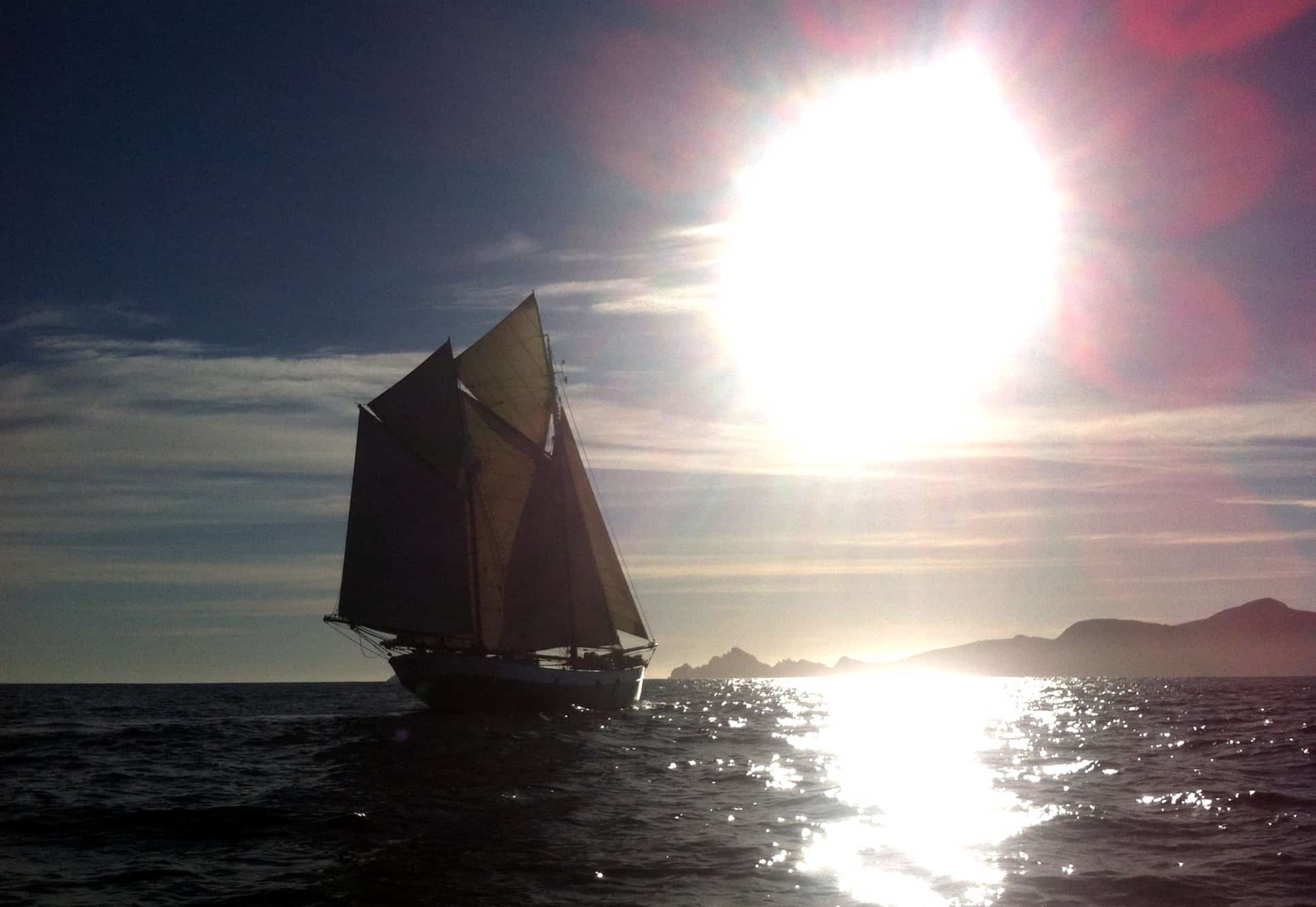
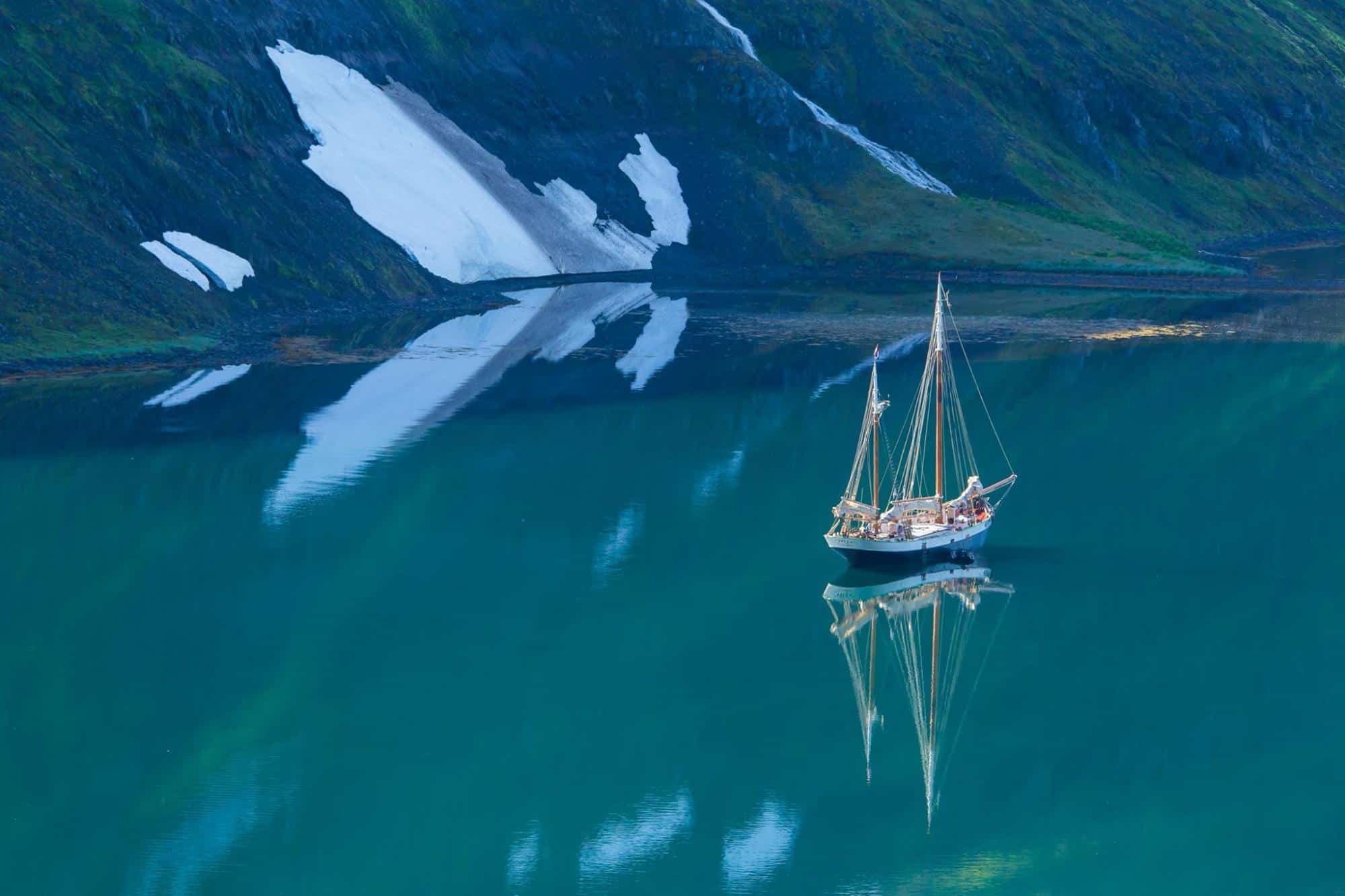
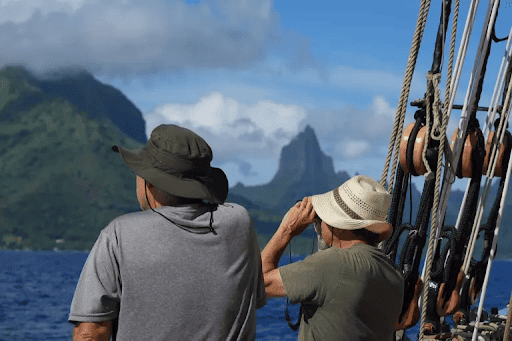
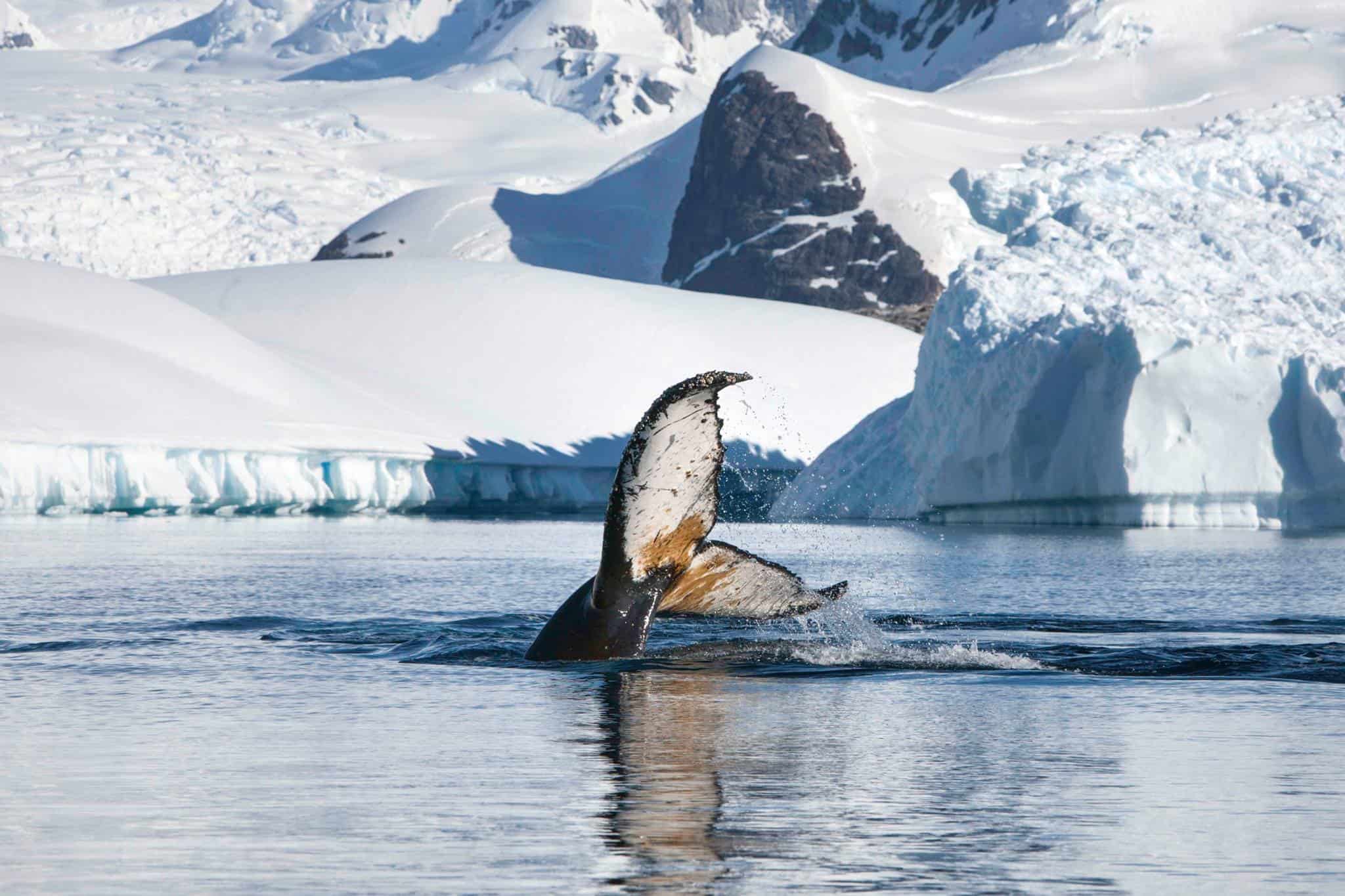
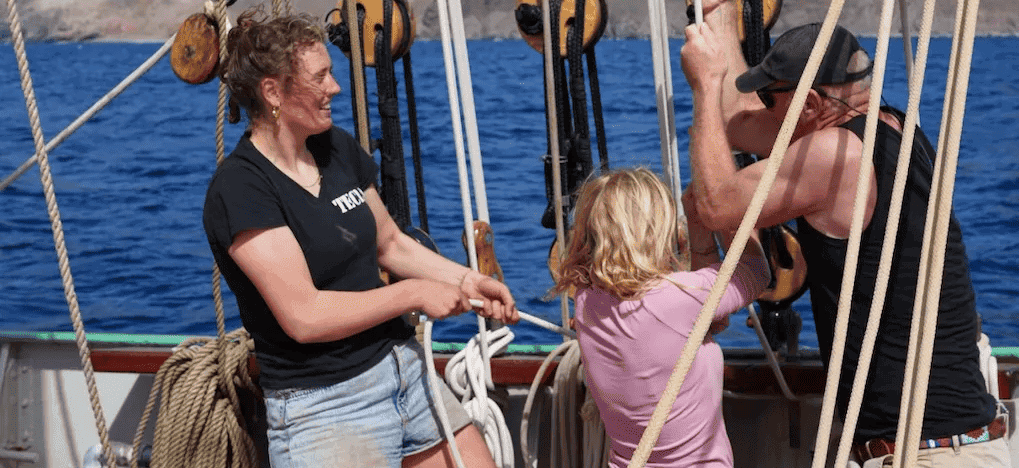
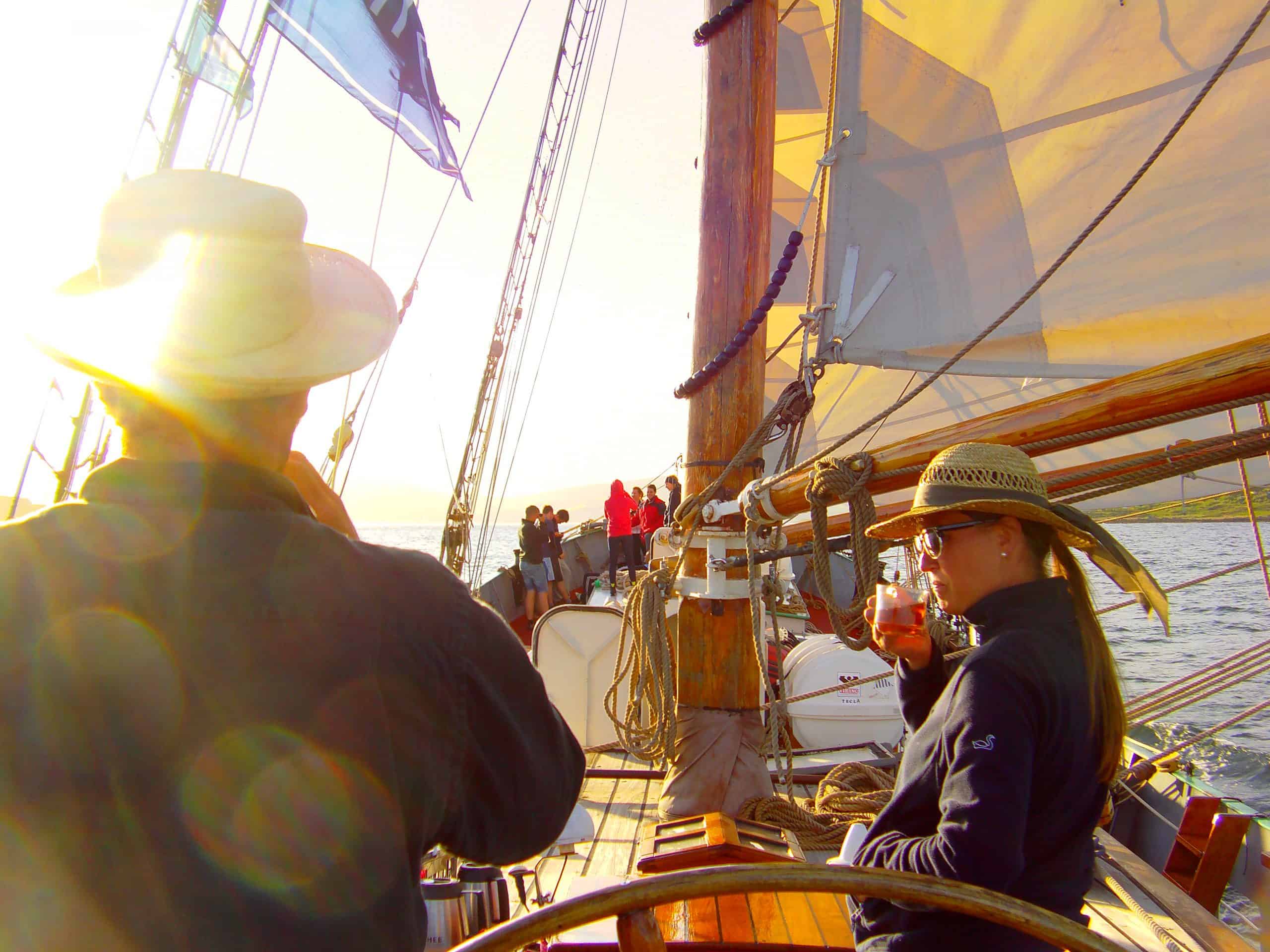
Globe trotting Tall Ship Tecla in action and images. This historic gaff ketch is our Polar Specialist, with expeditions to Antarctica and through the Northwest Passage, but she also has fantastic voyages in sunnier climes. Photos from Classic Sailing customers, ships crew and professional photographers. We hope it gives a flavour of her sailing, life on board, the people that come, her beautiful sailing grounds and what it is like to live below decks.






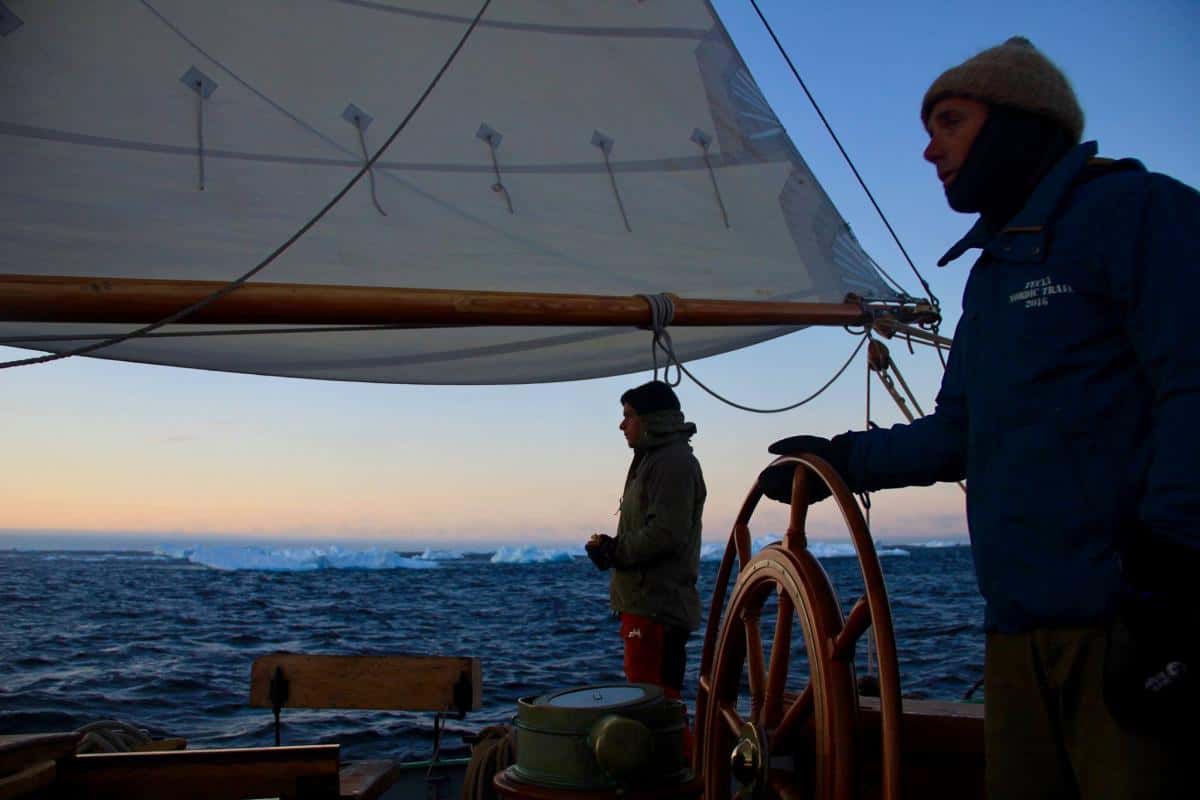
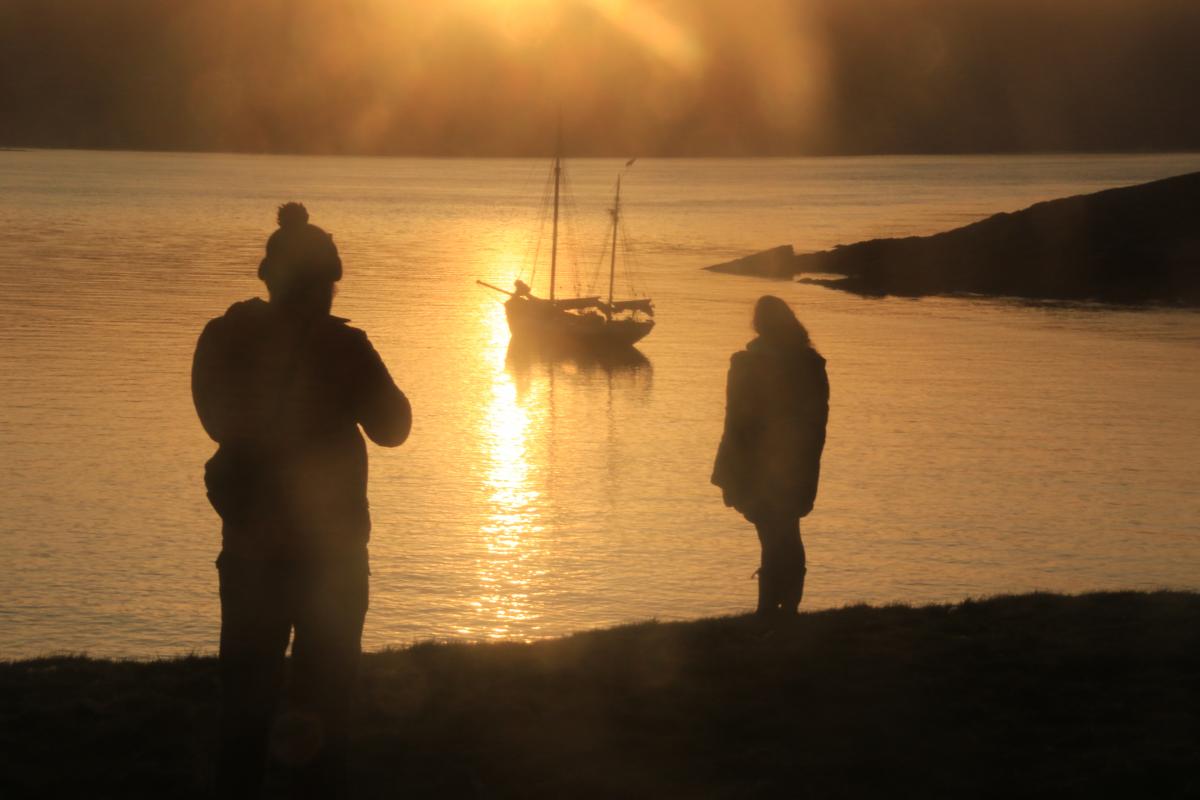
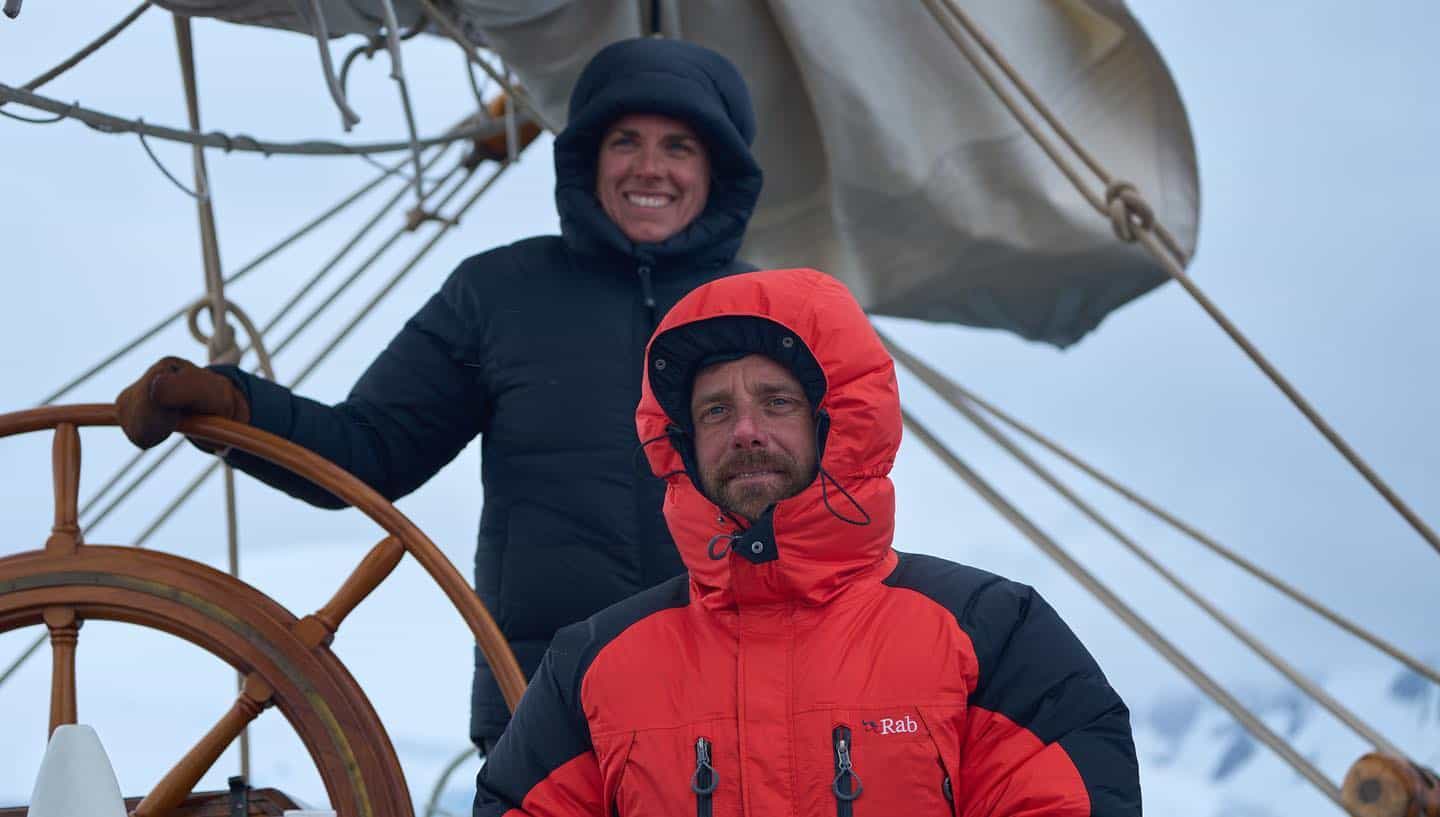
For daily tall ship news and voyage updates, follow Classic Sailing on Facebook — over 64,000 sailors already do.
facebook.com/ClassicSailing
West Greenland Expedition TC240627
Embark
Thu 24-06-2027
Nuuk, Greenland
Disembark
Tue 06-07-2027
Illulissat, West Greenland
Fully Booked
In the wake of the Vikings TC080527
Embark
Sat 08-05-2027
Ullapool, Scotland
Disembark
Sat 29-05-2027
Reykjavik, Iceland
From
€4950.00
Iceland the Denmark Straight to Greenland TC010627
Embark
Tue 01-06-2027
Reykjavik, Iceland
Disembark
Tue 22-06-2027
Nuuk, Greenland

From
€4950.00
Recently Viewed Voyages
Tecla home to Holland TC101027
Embark
Sun 10-10-2027
Reykjavik, Iceland
Disembark
Thu 28-10-2027
Harlingen, The Netherlands

From
€4658.00